About this test
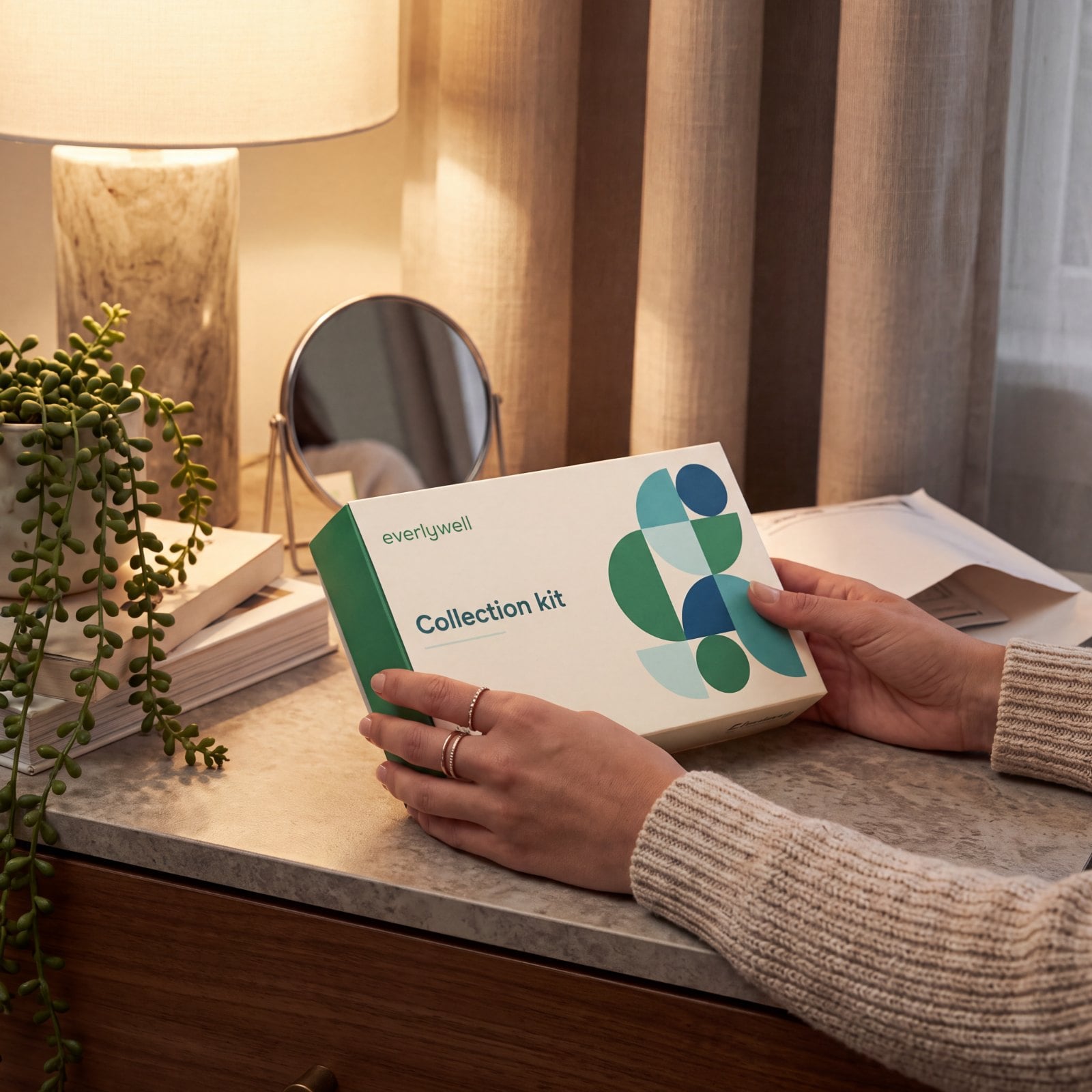
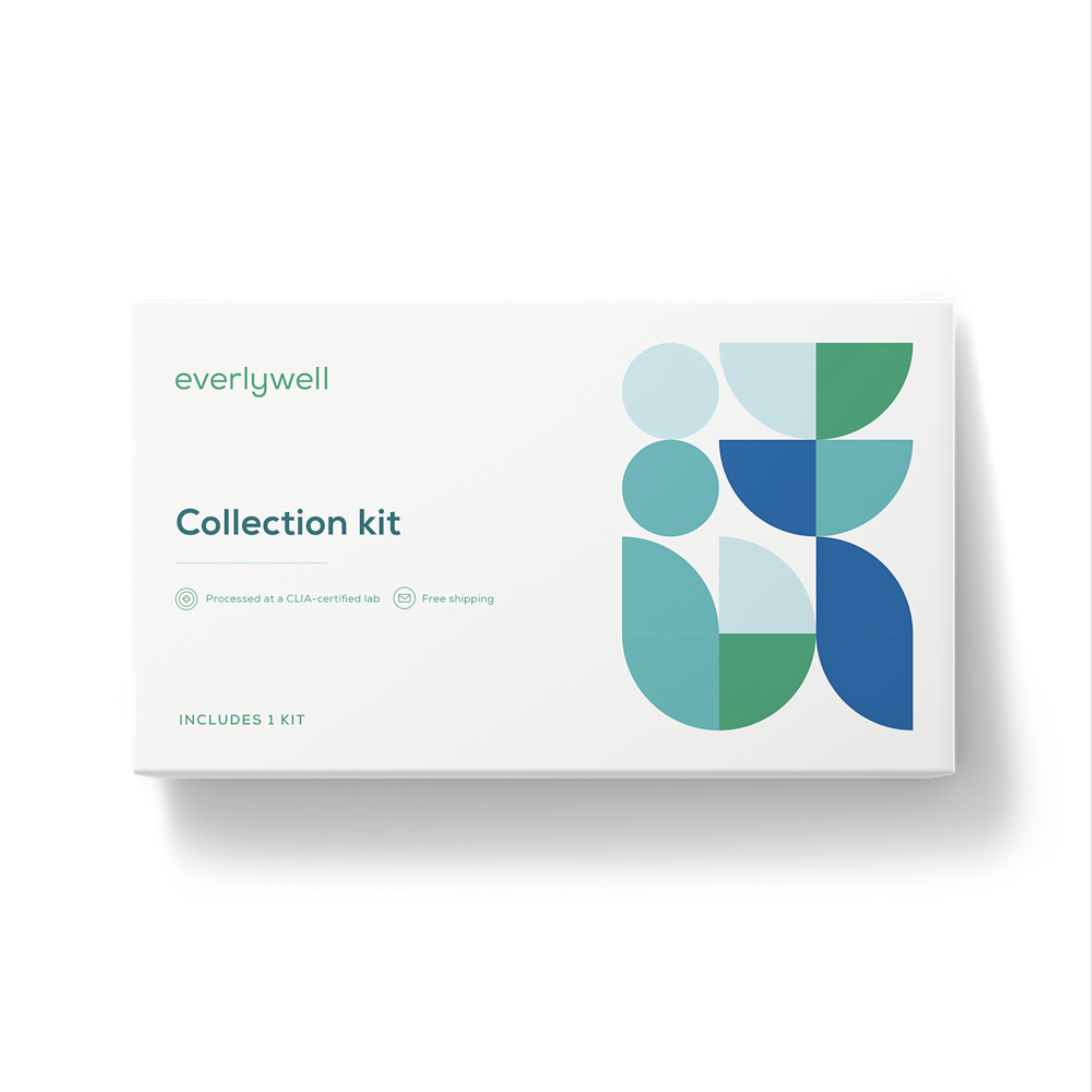
This test is a private, at-home lab screening for chlamydia, gonorrhea, hepatitis C (HCV), syphilis, and trichomoniasis. If certain abnormal or positive results are detected, you’ll have the opportunity to connect with our independent physician network and may receive treatment, if applicable.
- Screens for chlamydia, gonorrhea, HCV, trichomoniasis, and syphilis
- Finger prick sample
- Urine sample collection
- Prescriptions available, if eligible
For ages 18+. Not available in NY.
Who should take this test?
Many people with sexually transmitted infections do not experience symptoms, but there are some common signs to look out for. If you are sexually active and want to know your status, this is a simple way to do your part in keeping yourself healthy and preventing the spread of STIs (or STDs).
Possible symptoms
- Sores on or near the genitals
- Painless ulcer on or near the genital area
- Penile itching or discharge
- Redness or swelling of the genitals
Groin symptoms
- Pelvic pain
- Painful or burning sensation when urinating
- Pain while having sex
What does this test measure?
Your test results will tell you whether or not you test positive for exposure to a variety of sexually transmitted infections. If your test results are abnormal, you’ll have the opportunity to connect with our independent physician network at no additional cost to discuss your particular case and may receive treatment, if applicable.
- Chlamydia
- Caused by the bacterium Chlamydia trachomatis, chlamydia is a very common sexually transmitted infection that can be treated with antibiotics. Despite being easy to treat, the prevalence of chlamydia is high because most people with an infection have no symptoms and do not seek treatment, according to the CDC.
- Syphilis
- Syphilis is caused by the bacterium Treponema pallidum. Syphilis is divided into stages (primary, secondary, latent, and tertiary).
- Gonorrhea
- Caused by the bacterium Neisseria gonorrhoeae, gonorrhea is a common sexually transmitted infection that can be treated with antibiotics. According to the CDC, many people with gonorrhea have no symptoms, which can lead to delays in seeking treatment and increases in transmission.
- Hepatitis C
- Hepatitis C is a liver infection caused by the hepatitis C virus (HCV), a blood-borne virus. HCV is more commonly transmitted through needles or blood exposure, but can also be spread through sexual intercourse.
- Trichomoniasis
- Trichomoniasis (or “trich”) is a very common infection caused by a protozoan parasite called Trichomonas vaginalis. Most people, about 70%, who have a trichomoniasis infection do not develop symptoms.
From your urine sample
From your blood sample
From your urine sample
From your blood sample
From your urine sample
Four steps, from your door to your results
- Day 1
Order and time it right
Order online and your kit ships free in discreet packaging. Some infections take time to show up on a test, so testing too soon after an exposure can miss one.
- Days 2 to 7
Register, collect, and ship
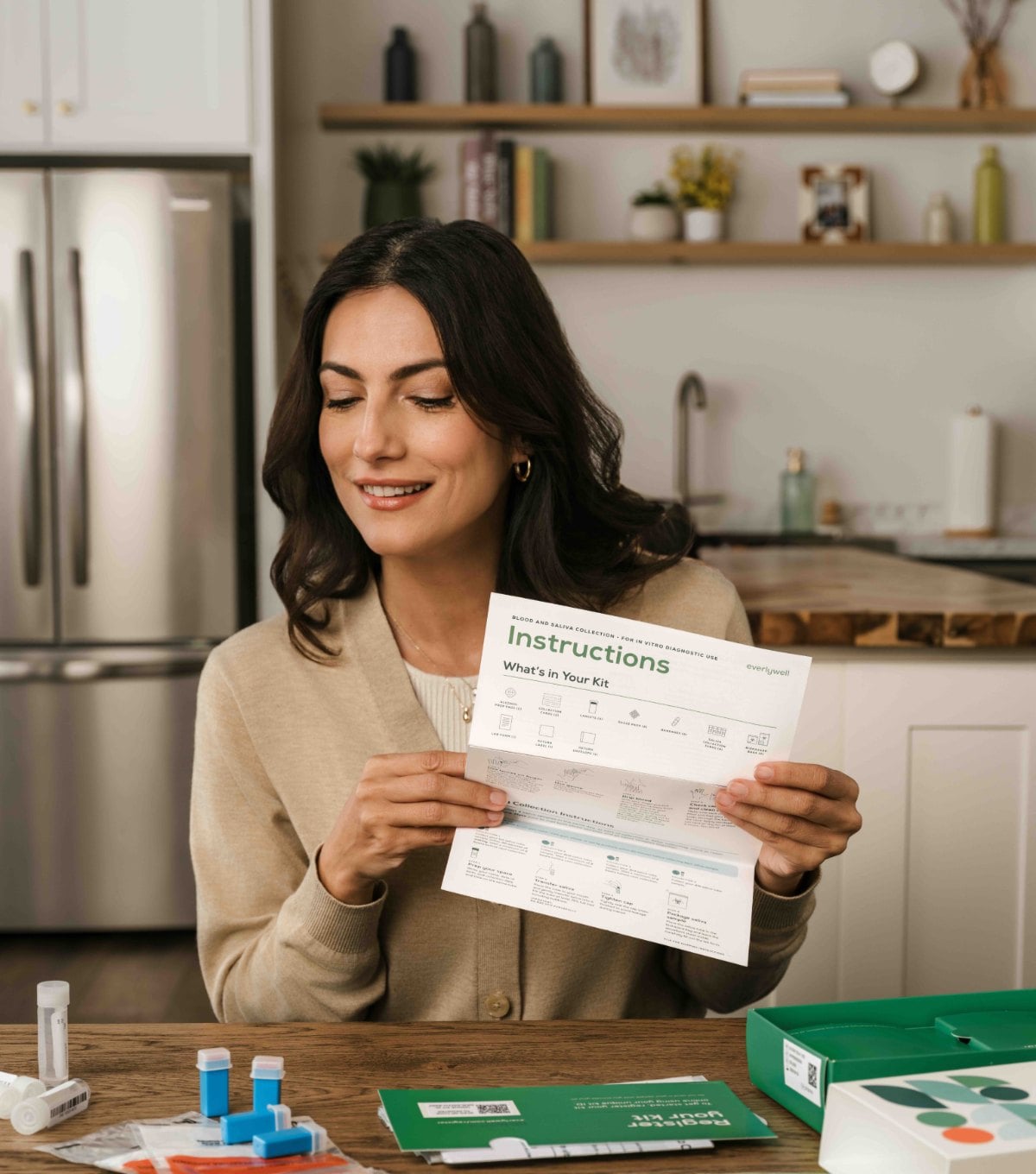
Register your kit ID online, then collect a few drops of blood from a quick finger prick and a urine sample. Mail both back with the prepaid label.
- Get answers in days
Get your results
Physician-reviewed results land in your secure account in a few days. Clear, confidential, and printable. Certain positive results must be reported to public health authorities as required by law.
- After your results
Know your next step
If a result is positive, a clinician from our independent network may contact you at no extra cost and may prescribe treatment if appropriate. Don’t try to treat an STI on your own.
This panel covers chlamydia, gonorrhea, trichomoniasis, syphilis, and hepatitis C. It doesn’t test for HIV or herpes.
What your results tell you
Each infection is reported as positive or negative, with what to do next.
- If a result is positive, a clinician from our independent network may contact you at no extra cost and may prescribe treatment if appropriate.
- Guidance on when to retest and how to talk with partners
- Results you can share with your healthcare provider
Clinical-grade testing, from the comfort of home.
From the lab to your report, every step of our process meets high standards in medical testing.
CLIA-certified labs
Every lab we partner with is certified under the Clinical Laboratory Improvement Amendments, meeting both state and federal standards with regular independent inspections.
We protect your health data
We protect your health data with encryption and do not sell it. Some results must be reported to public health authorities by law. See our Privacy Notice.
Rigorous quality assurance
All partner labs run regular internal quality checks, participate in proficiency testing, and comply with federal and state lab regulations.
Clinician-reviewed reports
Results are reviewed by an independent, licensed clinician.

Answers, in private.
- Screens for five common STIs from one kit.
- A finger prick and urine sample, collected at home.
- Prescriptions available, if eligible.
- Free shipping both ways
- FSA / HSA accepted
Related tests
Questions
Common questions.
Anything else, our care team answers by phone, text, or email.
Many STIs don’t cause symptoms, so testing is the only way to know your status. The CDC recommends regular testing for many sexually active people, such as yearly chlamydia and gonorrhea tests for sexually active women under 25, and at least yearly testing for men who have sex with men. How often you should test depends on your age, sexual partners, and other risk factors. Talk with a healthcare provider about what’s right for you. Our test makes it easier and more private to get tested from home. Source:CDC STI Screening Recommendations, 2021 guidelines.
You can test for sexually transmitted infections, or STIs (which can progress to sexually transmitted diseases, or STDs) with an at-home lab test or at a clinic. For at-home lab testing with Everlywell, you collect a sample yourself and send it to a lab, and get your results online. This confidential testing makes it easy to get tested for STIs where you want and when you want. The type of sample you collect depends on what STIs you’re testing for. Samples can include urine, blood (collected with an easy finger prick), or genital swabs.
Yes, here’s how to check for STDs at home:
- Collect your sample(s) using the supplies included in the kit.
- Send your sample(s) to the lab using the prepaid shipping label.
- Check your results online just days after your samples arrive at the lab.
The frequency of necessary testing really varies based on how sexually active you are and if you’re currently outside of a monogamous relationship. The CDC recommends every 3–12 months depending on risk category, but most medical professionals would agree that a yearly STD test is the minimum responsible frequency and testing should be done more if, and when, you engage in unprotected sex with a new partner. Preventing the spread of STIs and STDs is everybody’s responsibility.
Common risk factors include:
- Age (15–24 year olds account for half of all new STIs per CDC);
- Biological sex (those assigned female at birth are more biologically susceptible at the same age);
- Sexual behaviors (unprotected sex heightens risk);
- Substance use (alcohol/drugs linked with greater STI likelihood among sexually active people);
- Sex partners (more partners = higher risk).
There are a variety of ways to test for sexually transmitted diseases and infections. You can make an appointment with your healthcare provider, go to an STD clinic, or use an at-home lab test.
Screens for chlamydia, gonorrhea and trichomoniasis, and for antibodies to hepatitis C and syphilis. If you have symptoms, contact a healthcare provider.
If a result is positive, a clinician from our independent network may contact you at no extra cost and may prescribe treatment if appropriate.
Your results are kept private in accordance with our Privacy Notice. Certain positive results must be reported to public health authorities as required by law.
Different kinds of samples are used to test for STIs:
- Urine (can detect chlamydia, gonorrhea, trichomoniasis);
- Blood (finger prick or draw, detects hepatitis C and syphilis exposure);
- Swabs (oral, anal, penile, and other swabs can check for some STIs).
There are several ways to get checked for STDs:
- Order an at-home STD test (like the Everlywell STD Test, which is HSA/FSA eligible);
- Visit a health clinic near you;
- Go to your healthcare provider;
- Check nearby retail stores that carry home STD tests.
You can get the Everlywell at-home STD Test by ordering online with free shipping.
Do not try to treat an STI on your own. Because of potentially severe health consequences if left untreated or not treated properly, it’s very important to talk with your healthcare provider about treatment options if you test positive. If you receive an abnormal result, our independent physician network will contact you to schedule a consultation at no additional cost and may offer a prescription for medication when appropriate.
Yes, this at-home lab test lets you check for chlamydia and gonorrhea, as well as trichomoniasis and exposure to hepatitis C and syphilis.
Yes, oral sex is one kind of sexual contact that can increase the risk of getting or transmitting STDs like syphilis and gonorrhea. Using a physical barrier (like a condom or dam) during sexual activity can help reduce this risk, as well as making sure there aren’t any cuts in the mouth or sores on or near the genitals.
STD testing doesn’t have to take long! With the Everlywell at-home STD test, collecting your samples will typically take only a few minutes. You’ll usually get your test results several days after you send your samples to the lab for processing.
Though these terms are often used interchangeably, they don’t actually mean exactly the same thing. STD, or ‘sexually transmitted disease’, is a common term used to describe an infection that is passed on through sexual contact, and becomes a disease after a certain point of severity. STI stands for ‘sexually transmitted infection.’ Many people, mostly within the medical community, have begun transitioning from ‘STD’ to ‘STI’ in an effort to clarify that not all sexually transmitted infections turn into a disease.
Untreated STIs can cause lasting health problems. In people with a uterus, chlamydia and gonorrhea can cause pelvic inflammatory disease (PID), which can lead to long-term pelvic pain, ectopic pregnancy, and infertility. In people with penises, they can cause epididymitis, a painful swelling of the tube behind the testicles, and rarely infertility.
Your test is shipped in plain, unmarked packaging with no indication of the test contents. Your results are kept private in accordance with our Privacy Notice. Certain positive results must be reported to public health authorities as required by law.
Everlywell’s STD tests are processed in CLIA-certified labs (Clinical Laboratory Improvement Amendments). This means they must meet high standards to obtain both state and federal certifications and submit themselves to regular inspections. All results are reviewed by a licensed clinician before being released to you.
Yes, the Everlywell STD Test - 5 Panel is FSA (Flexible Spending Account) and HSA (Health Savings Account) eligible. Simply select FSA/HSA as your payment method at checkout.
The STD Test - 5 Panel screens for chlamydia, gonorrhea, hepatitis C, syphilis, and trichomoniasis. It does not include herpes. This panel doesn't include HIV. See HIV Test (4th Generation) at a lab near you.