Sexual health tests
Discreet STD testing, with a kit in plain packaging or a single visit to a lab near you.

Where to start with STD testing
A full screen, or one test when you know what you’re looking for.
A full screening
Common infections checked together, in one kit or a single lab visit.
Start with

One test at a time
One infection at a time, when you already know what you want to check.
Start with


Shop sexual health tests
 At-home collection
STD Test - 5 Panel
Rated 4.74 out of 5 from 379 reviewsFive infections, finger prick plus urine
Loading price- At-home collection
Chlamydia & Gonorrhea Test
Rated 4.85 out of 5 from 354 reviewsOne urine sample at home, plain packaging
Loading price 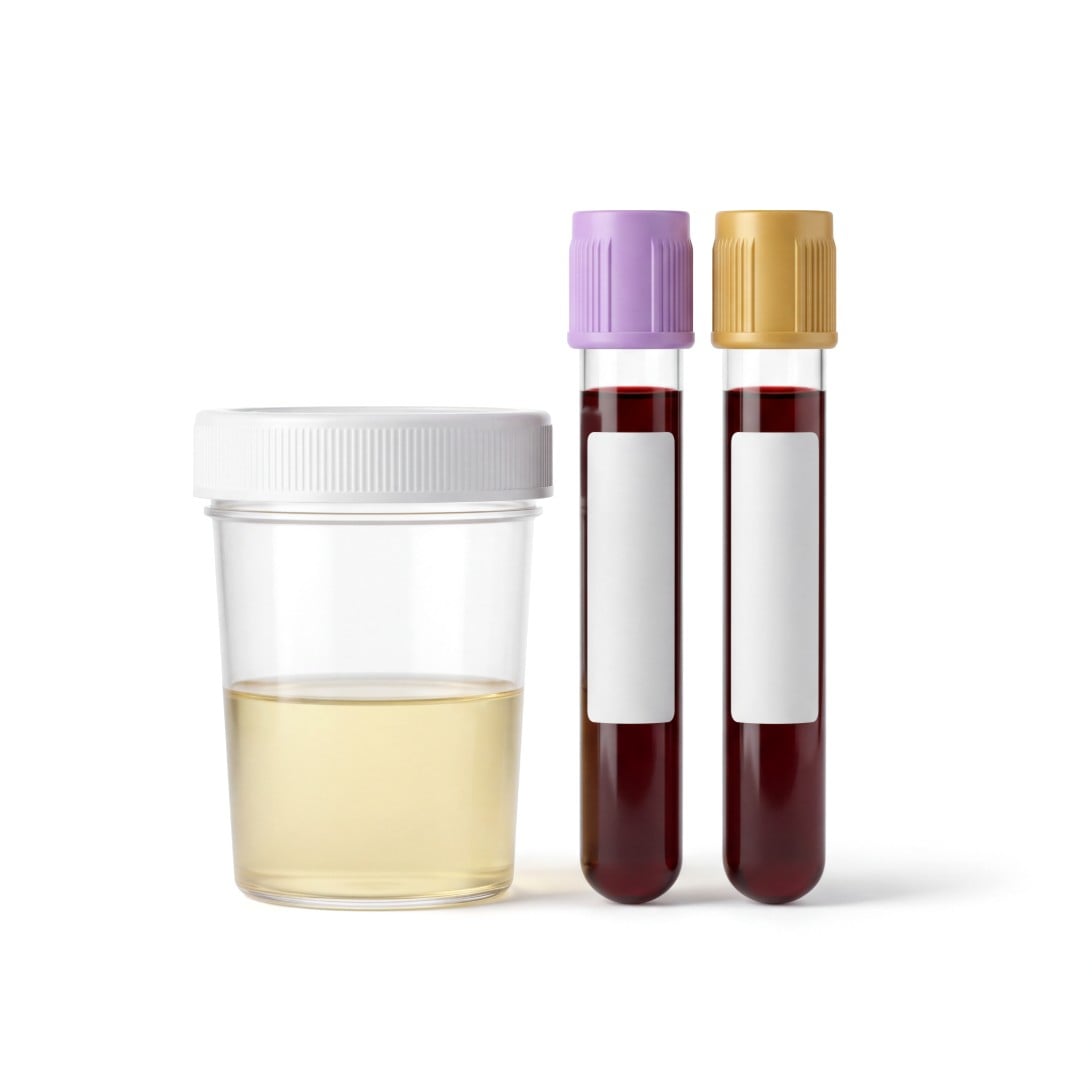
 At-home collection
Syphilis Test
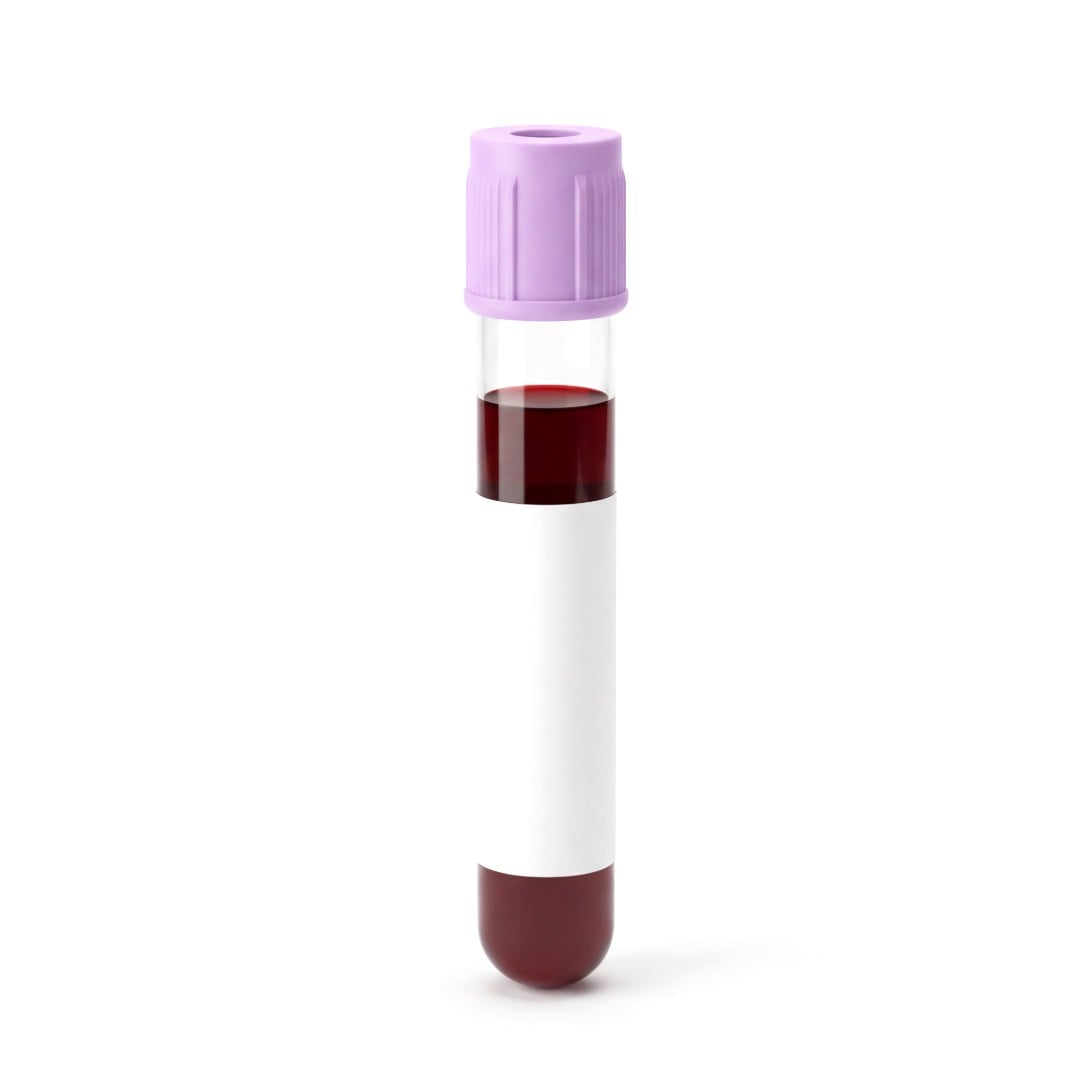
Rated 4.29 out of 5 from 24 reviewsSyphilis antibodies from a finger prick
Loading price At-home collection
Trichomoniasis Test
Rated 4.88 out of 5 from 73 reviewsUrine test for trich at home, men and women
Loading price At-home collection
Hepatitis C Test
Rated 4.86 out of 5 from 44 reviewsHepatitis C antibodies from a finger prick
Loading price- In person
Hepatitis B Core Antibody (with Reflex)
Past or current hepatitis B, not vaccination
Loading price
Ask about STD tests
Which STD test is right for you?
Ask in your own words, and we’ll suggest where to start.
Whether it’s a new partner or a routine screen, I can help you choose what to test for and when. If you have symptoms, see a clinician too.
AI-generated. For information only, not medical advice. Call 911 for an emergency.
About STD testing
When to consider it
After a new partner or as a regular screen, since many STIs cause no symptoms. If you have symptoms or a partner tests positive, see a clinician too.
What the tests measure
Chlamydia, gonorrhea, and trichomoniasis from a urine sample. HIV from an oral swab or a blood draw. Syphilis, herpes, and hepatitis B and C from blood.
At home or at a lab
Kits arrive in plain packaging, and you test in private, with an HIV swab read in 20 minutes. A lab visit adds herpes and hepatitis B from a blood draw.
Common reasons to get an STD test
How each one connects to what a test can check.
A new partner
After a new partner, many people screen for chlamydia, gonorrhea, syphilis, and HIV.
A partner tested positive
If a partner has chlamydia, gonorrhea, or syphilis, see a clinician. You may need treatment.
Discharge or burning
These can signal chlamydia, gonorrhea, or trichomonas. See a clinician soon for care.
Sores or a rash
New sores need a clinician’s exam. Syphilis and herpes blood tests can miss a new infection.
A yearly screen
Chlamydia and other STIs often cause no symptoms, so regular screening can find them.
Planning a pregnancy
Syphilis and HIV can affect a pregnancy, so many people screen for them before trying.
STD tests, explained
The 11 markers these tests check for, in plain words.
Why it’s checked
Most infections cause no symptoms, and untreated chlamydia can affect fertility. It’s treatable with antibiotics.
Reading your result
A positive result is usually treated with antibiotics, and recent partners need treatment too.
Why it’s checked
It’s usually tested with chlamydia, since the two often occur together, and it’s treatable with antibiotics.
Reading your result
A urine test checks the genitals, not the throat or rectum. Ask a clinician if those sites need checking, too.
Why it’s checked
The lab test looks for both, so it turns positive earlier than antibodies alone, though timing after an exposure still matters.
Reading your result
A positive swab needs a confirmatory test. Exposed in the last 72 hours? Call a clinician now.
Why it’s checked
Syphilis is treatable and can go unnoticed for a long time, so it’s often checked after a new partner.
Reading your result
Antibodies can stay after treatment, so a past infection may still show. A clinician reads the result with your history.

Why it’s checked
Many people have no symptoms, and it’s curable with medicine a clinician prescribes.
Reading your result
It’s treatable, and partners are usually treated at the same time so it isn’t passed back and forth.


Why it’s checked
It can show a past infection, but routine screening without symptoms isn’t recommended for most people.
Reading your result
A positive result shows you’ve had the virus, not where or when. Low-positive results are sometimes rechecked with a second test.
Tests that include it
Why it’s checked
HSV-1 can also cause genital herpes, so it’s sometimes checked alongside HSV-2 at the same visit.
Reading your result
Many adults carry HSV-1, often from childhood. A positive result on its own doesn’t mean a genital infection.
Tests that include it
Why it’s checked
It can go years without symptoms. A positive screen is followed by a test for the virus itself.
Reading your result
A positive antibody result means you’ve had hepatitis C at some point. A test for the virus shows whether it’s still active.

Why it’s checked
A positive result points to a current infection and needs follow-up with a clinician.
Reading your result
A positive result needs follow-up. If it stays positive for more than 6 months, the infection is considered long-term.
Tests that include it
Why it’s checked
It tells infection apart from vaccine immunity, which this marker doesn’t pick up.
Reading your result
Read with a surface antigen result, a separate test, it helps a clinician tell a current infection from a past one.
Tests that include it
Why it’s checked
It helps a clinician tell a recent hepatitis B infection from one that started longer ago.
Reading your result
A positive result relates to a recent infection and needs follow-up with a clinician, who reads it with other tests.
Good to know
Timing affects your result.
- Most infections take time to show up after an exposure, so testing too early can miss one.
- Many STIs cause no symptoms, which is why regular screening matters.
- If you have symptoms or a known exposure, talk to a clinician, since you may need care sooner.
Sexual health articles
All articlesExplore more categories
All tests



Questions
Common questions.
Plain answers before you order.
Kits fit your schedule: collect at home and mail it back in the prepaid mailer. A lab visit covers more infections, including HIV, herpes, and hepatitis B, from one blood draw.
Yes. Kits ship in plain packaging, and your results post privately to your account.
Order online. A licensed clinician reviews your request, then you collect at home or visit a lab. If you have symptoms or a partner tested positive, see a clinician too.
Some positive results are reported to public health authorities, as state law requires. A clinician can talk with you about next steps, including care and telling partners.
Yes. FSA and HSA cards are accepted at checkout. What counts as an eligible expense depends on your plan, so check with your plan administrator if you’re unsure.