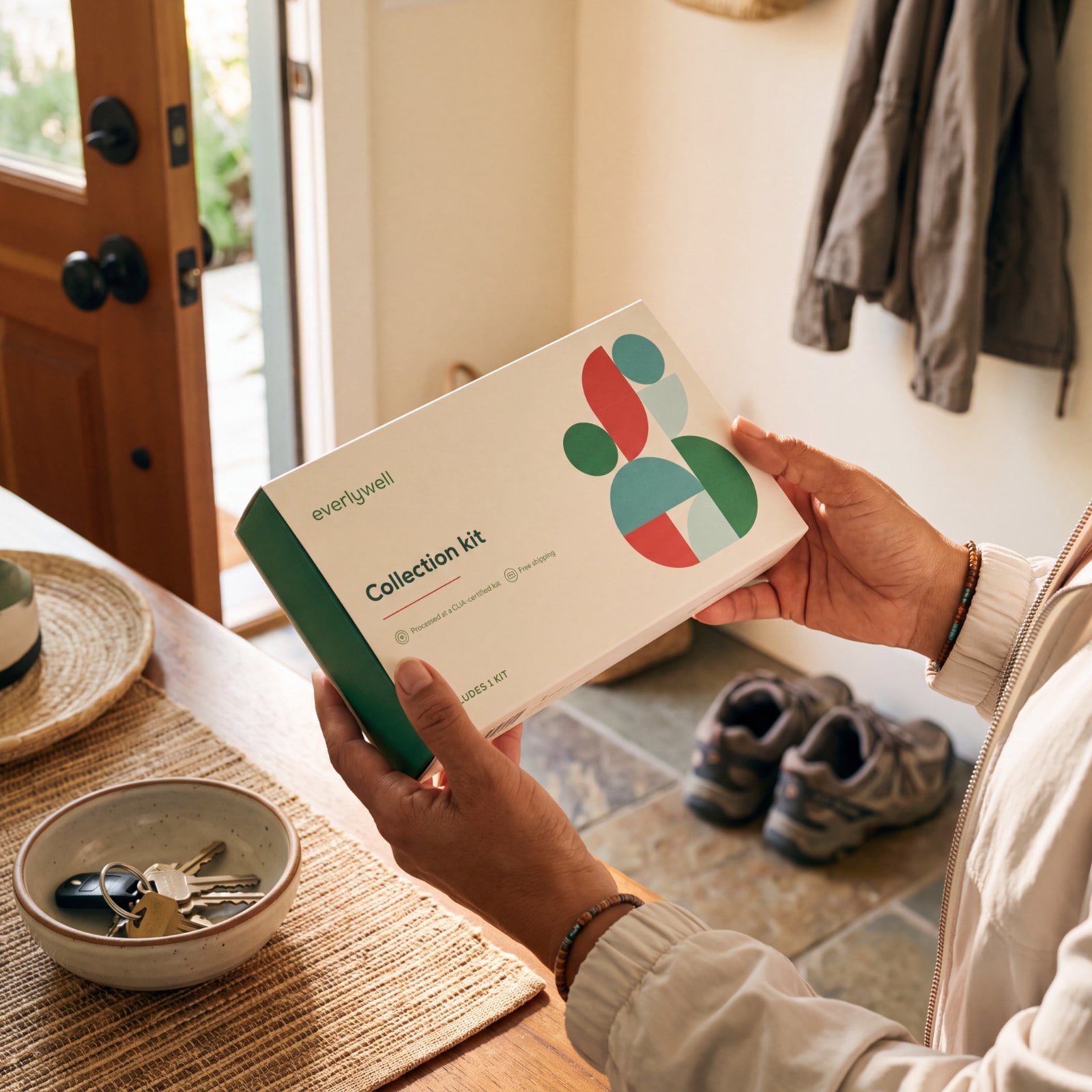
Heart Health Test
Your cholesterol and HbA1c, in one finger-prick test.
- Free shipping, both ways
- FSA / HSA accepted, or pay over time
- Ships to every state except New York
About this test
This at-home lab test can provide you with a comprehensive look at your heart health to help you take steps to reduce your risks of developing heart-related health conditions.
- Measures Total Cholesterol, HDL, Calculated LDL, Triglycerides, and HbA1c
- Finger prick sample

Who should take this test?
If you have a family history of heart disease or you’re simply interested in the health of your heart, the Heart Health Test is a great place to start. Remember to share your results with your healthcare provider for help understanding your specific risk for developing heart disease. The following symptoms have been linked to an increased risk for a number of diseases, including heart disease, stroke, peripheral artery disease and atherosclerosis, high blood pressure (hypertension), and type 2 diabetes:
Blood
- Elevated cholesterol
- Elevated blood sugar
- Elevated blood pressure
Body
- Increased body fat
- Changes in weight
Heart
- Personal history of heart disease or diabetes
- Family history of heart disease or diabetes
- Sedentary lifestyle
Kidney
- Kidney disease
What does this test measure?
Your results will show your cholesterol levels, including total cholesterol, HDL, LDL, and triglycerides. In addition to measuring cholesterol and lipids, this panel also shows your HbA1c, an important biomarker for assessing heart disease and diabetes risk. Once you know your levels, you can take steps to help reduce your risk of developing related health conditions.
- Total cholesterol
- Cholesterol is necessary to make the cells in our body. We get cholesterol from two sources, our liver makes cholesterol, and we can also get it from eating certain animal-derived foods. Total cholesterol is the total pool of cholesterol in the body, which includes biomarkers explicitly measured like LDL, HDL, and triglycerides, as well as other smaller lipid molecules.
- Calculated LDL
- Low-density lipoprotein (LDL) cholesterol is generally considered the “bad cholesterol” as high blood concentrations of this form of cholesterol can result in a lipid disorder, increasing the risk of heart disease. LDL cholesterol can deposit in arteries and lead to a condition known as atherosclerosis. LDL can be calculated mathematically using triglycerides, HDL, and total cholesterol values or measured directly, this test measures calculated LDL; however, the LDL value will not be able to be calculated if the total triglyceride concentration is greater than 400 mg/dL.
- HDL
- HDL, high-density lipoprotein, is considered the “good cholesterol” because it is able to carry cholesterol deposits away from arteries and back to the liver, where it can be broken down and cleared from the body.
- Triglycerides
- Triglycerides are the primary form of fat in the blood. Excessive levels of triglycerides may lead to damage to organs such as the liver and pancreas and may increase the risk of heart disease and stroke.
- HbA1c
- HbA1c is a measurement of the amount of glucose bound to the heme found in red blood cells. Blood glucose (commonly referred to as blood sugar) levels tested as a single measurement can vary significantly throughout the day based on many factors, including a recent meal or physical activity. An A1c test measures your average blood sugar over a span of 2-3 months. This test is used by healthcare providers to help diagnose conditions that result in too much sugar in the blood, such as diabetes, prediabetes, and gestational diabetes.
Cholesterol
Blood sugar
What’s in the box
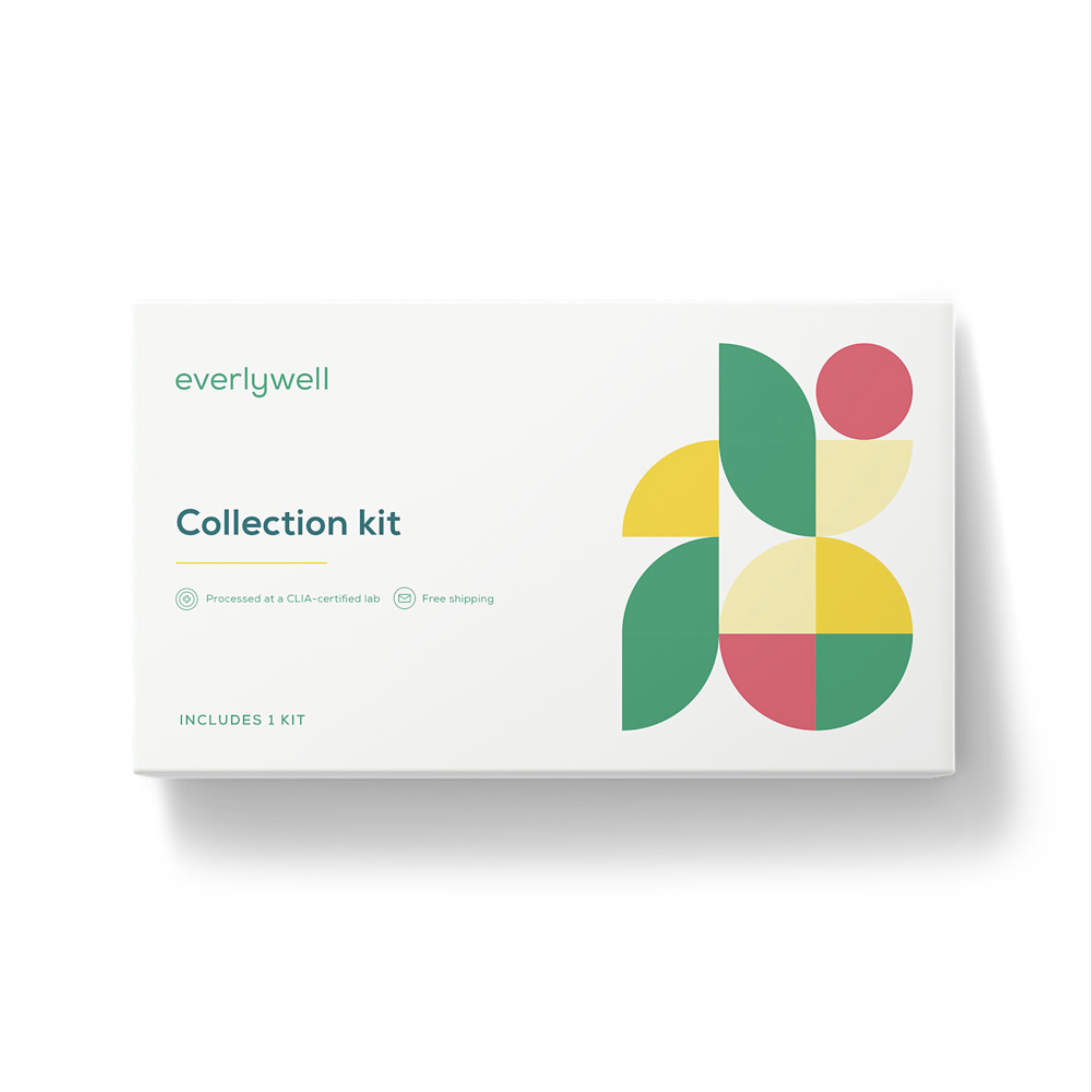
Everything you need to collect your sample and send it back, with free shipping both ways.
Collection card
Circles to fill with a few drops of blood. Let it dry before you pack it.
Two lancets
Single-use and spring-loaded: a quick, shallow prick. The second is a spare.
Alcohol pad, gauze and bandage
Clean the fingertip first, cover it after.
Prepaid return mailer
Addressed to the lab. Drop it in any USPS mailbox, ideally the same day.
Instructions and kit ID
Register the ID online before you collect, so your results reach your account.
Four steps, from your door to your results
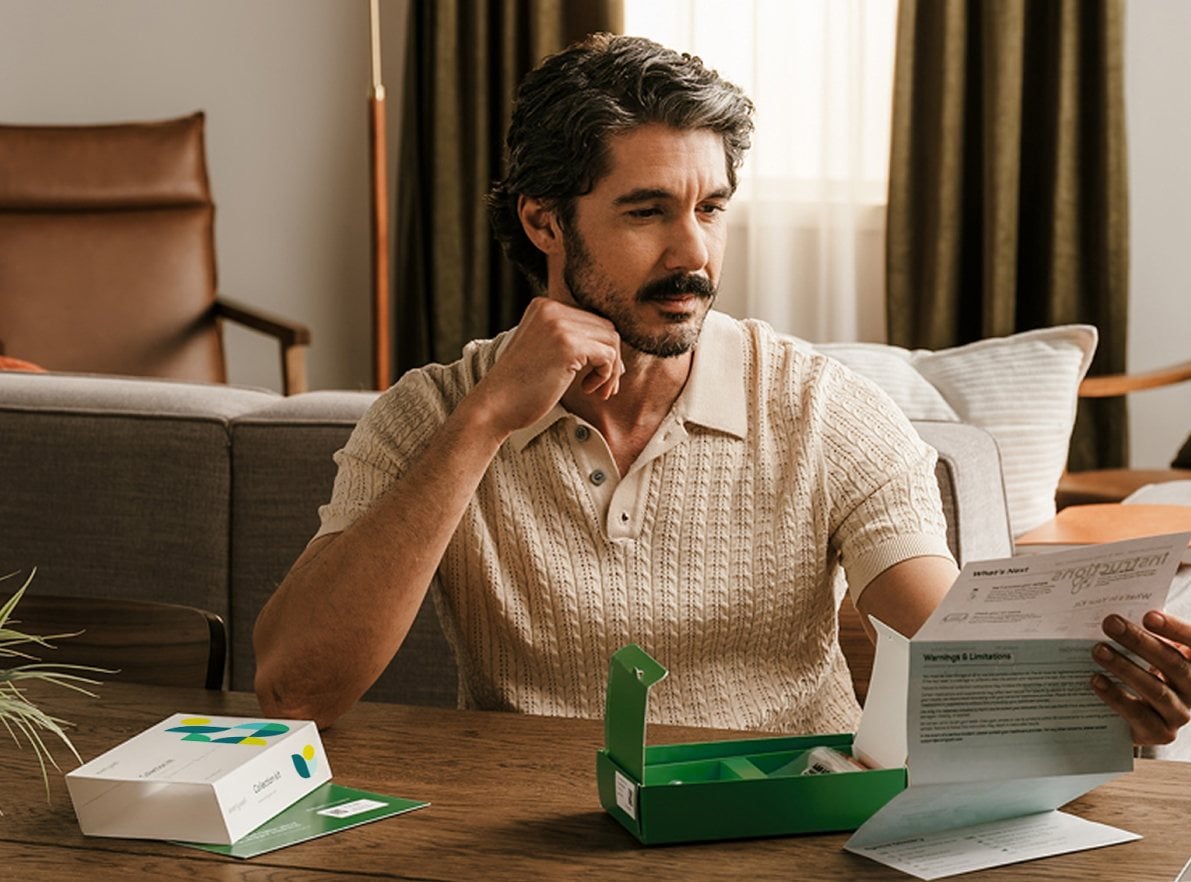
- Day 1
Order and plan to fast
Order online and your kit ships free. Fasting is preferred for the cholesterol results, so check the kit’s instructions on timing before you collect.
- Days 2 to 7
Register, collect, and ship
Register your kit ID online, then collect a few drops of blood from a quick finger prick, following the kit’s steps. Mail it back with the prepaid label.
- Days 10 to 14
Get your results
Physician-reviewed results post to your secure account: total cholesterol, HDL, calculated LDL, triglycerides, and HbA1c, each shown as low, normal, or high.
- After your results
Talk it through with your provider
These numbers are one part of your heart health picture. Share them with your healthcare provider, who can read them with your history. Many people recheck every 6 to 12 months.
Everlywell can suggest lifestyle steps based on your results. Your healthcare provider can give more specific guidance.
Clinical-grade testing, from the comfort of home.
From the lab to your report, every step of our process meets the gold standard in medical testing.
CLIA-certified labs
Every lab we partner with is certified under the Clinical Laboratory Improvement Amendments, meeting both state and federal standards with regular independent inspections.
We protect your health data
We protect your health data with encryption and do not sell it. Some results must be reported to public health authorities by law. See our Privacy Notice.
Rigorous quality assurance
All partner labs run regular internal quality checks, participate in proficiency testing, and comply with federal and state lab regulations.
Clinician-reviewed reports
Results are reviewed by an independent, licensed clinician.
Related tests
Questions
Common questions.
Anything else, our care team answers by phone, text, or email.
Understanding Heart Disease Risk: Cholesterol, Triglycerides, and Blood Sugar
Heart disease (also known as cardiovascular disease), including coronary artery disease, heart attack, and congestive heart failure, is the leading cause of death for both men and women in the US. Cardiovascular disease is preventable for many people, and understanding the different risk factors is the first step in maintaining a healthy heart muscle. Screening via measurements of cholesterol and other markers can help shed light on one’s risk factors.
High LDL cholesterol and triglycerides have been linked to a number of diseases, such as coronary heart disease (including heart attack), stroke, peripheral artery disease and atherosclerosis, high blood pressure (hypertension), and type II diabetes. Because LDL cholesterol can trigger the formation of plaque and damage the heart’s arteries (or coronary arteries), controlling your blood cholesterol levels can be key to reducing your risk for these disorders.
Not only do we measure your lipids (total cholesterol, HDL, LDL, and triglycerides), but we also measure another important marker for cardiovascular disease: HbA1c.
HbA1c levels are considered to be a good measure of your 90-day glucose levels and do not vary as much day-to-day as your standard glucose marker. HbA1c measurements are not a substitute for measuring daily glucose if your healthcare provider has prescribed that you do so. High HbA1c levels are widely considered to be indicative that you either have or have an elevated risk for developing, type 1 or type 2 diabetes. Diabetes is a significant risk factor for heart disease.
How often you should test your lipids and/or HbA1c depends on many factors, so talk with your healthcare provider about the testing frequency that’s right for you.
The Everlywell Heart Health Test is not a heart scan or EKG; instead, this test can help identify or monitor certain risk factors associated with heart disease, such as elevated LDL cholesterol levels.
(Heart tests typically refer to specific forms of cardiac testing a cardiologist or other specialist might carry out in certain clinical contexts. Examples include echocardiograms, CT scans, and exercise stress tests, which may help a healthcare professional better understand someone’s abnormal heart rhythm and heart rate.)
If you’re wondering how to test for heart disease risk or how to check heart health at home, the Everlywell Heart Health Test can be a great place to start, but be sure you share your results with your healthcare provider to better understand your specific risk for developing heart disease.
Per AHA guidelines, you should consider taking this test if you:
- Take cholesterol medication
- Have a family history of high cholesterol or heart disease
- Have a personal or family history of type 2 diabetes
- Are overweight
- Drink alcohol frequently
- Smoke
- Don’t exercise
When it comes to heart health, it’s important to check triglyceride and cholesterol levels (the American College of Cardiology and American Heart Association guidelines recommend cholesterol screening in healthy adults ages 20 and older every 4-6 years), and testing HbA1c levels can provide more information about your heart health risks. This test allows you to check several different key indicators of risk for heart disease, all from the convenience of home.
In addition to knowing your numbers, Everlywell can provide suggestions to jumpstart a healthier lifestyle with your results from our Heart Health Test. As always, we encourage you to share your results with your healthcare provider, who can provide more specific guidance on lifestyle changes.
Yes, this test is available to New York residents. This test is sold directly by PWN Laboratory LLC, a CLIA-certified clinical laboratory. Everlywell provides administrative and fulfillment services on behalf of the laboratory. Your testing experience, results quality, and customer support remain unchanged.