Sexual Health Panel
Chlamydia, gonorrhea, syphilis, and HIV, from urine and blood.
- 2,000+ lab locations. Find one near you
- Nothing due at the lab. FSA / HSA accepted
- Ordered by a licensed clinician
At a glance
- Collection
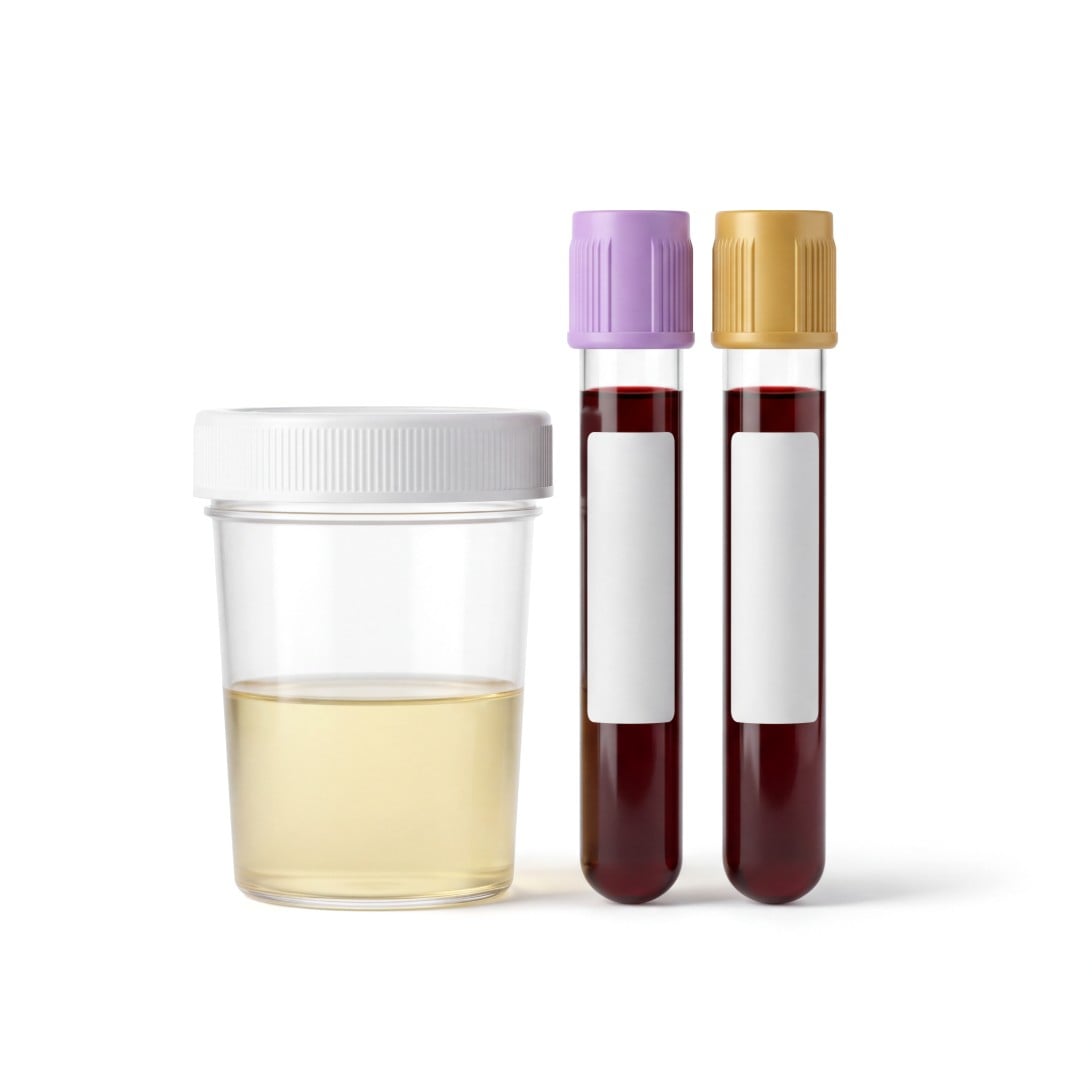
- Blood draw + urine sampleBlood draw plus a urine sample.
- Preparation
- Hold your urineDo not urinate for 1 hour before your visit. Do not use cleansing wipes first.
- Results
- 2 to 4 daysTypical turnaround after your visit.
- Where
- 2,000+ lab locationsNationwide, with nothing due at the lab.
About this test
Four common STIs, one visit: this panel checks for chlamydia, gonorrhea, syphilis, and HIV, using a urine sample and a blood draw. Many STIs can cause no symptoms, so routine testing is common, such as with a new partner. Hold your urine for 1 hour before your visit.
For adults 18 and older. Test availability varies by lab location.

Who should take this test?
For adults who want routine STI testing in one visit, such as with a new partner or before a new relationship, whether or not they have any symptoms now.
Ask about this test
Not sure this is the right test?
AI-generated. For information only, not medical advice. Call 911 for an emergency.
What does this test measure?
You get a result for each of the four infections checked, from your urine and blood samples, so you and a healthcare provider can decide on any next steps together.
- Chlamydia
- Chlamydia is a common bacterial infection that can pass through sexual contact. It often causes no symptoms, which is why it is commonly checked as routine screening. In this panel it is checked from your urine sample. A urine sample does not check for infection of the throat or rectum.
- Why it’s measured: Chlamydia often has no symptoms, so it is a common routine screen.
- Gonorrhea
- Gonorrhea is a bacterial infection that can pass through sexual contact. It can cause no symptoms, especially in women, and it is often checked together with chlamydia. In this panel it is checked from your urine sample, which does not check for infection of the throat or rectum.
- Why it’s measured: Gonorrhea can cause no symptoms and is often checked together with chlamydia.
- Syphilis
- Syphilis is a bacterial infection that can pass through sexual contact and can cause no symptoms for long periods. It is checked here from your blood sample. Some syphilis antibodies can stay after past treatment, so a reactive result is read with your history and may need more testing.
- Why it’s measured: Syphilis can go unnoticed, so blood screening is a common check.
- HIV
- HIV is a virus that affects the immune system and can cause no symptoms for years. It is checked here from your blood sample. A very recent infection may not show up yet, so a clinician can advise on when to retest. A positive screening result needs follow-up testing before it is interpreted.
- Why it’s measured: HIV can cause no symptoms for years, so routine testing is common.
Infections
How it works
- Step 1
Hold your urine
Do not urinate for 1 hour before your visit, and don’t use cleansing wipes before you give the sample.
- Step 2
Give a urine sample
At the lab location, follow the staff’s instructions to collect your urine sample in the cup provided.
- Step 3
Have a blood draw
The same visit includes a standard blood draw for the blood-based tests in this panel.
Find a lab near you
Choose from 2,000+ lab locations nationwide. Your order works at any of them.
What your results tell you
Your lab report lists a separate result for each infection checked in this panel, and a healthcare provider can help you read each one.
- Each marker next to the lab’s reference range
- Explained in plain language
- A licensed clinician reviews your order and, if appropriate, orders the test.
- A lab report you can download and share
Talk with a healthcare provider about any positive result and next steps. A clinician can also advise when to test again.
Clinical-grade testing, from the comfort of home.
From the lab to your report, every step of our process meets the gold standard in medical testing.
CLIA-certified labs
Every lab we partner with is certified under the Clinical Laboratory Improvement Amendments, meeting both state and federal standards with regular independent inspections.
We protect your health data
We protect your health data with encryption and do not sell it. Some results must be reported to public health authorities by law. See our Privacy Notice.
Rigorous quality assurance
All partner labs run regular internal quality checks, participate in proficiency testing, and comply with federal and state lab regulations.
Clinician-reviewed reports
Results are reviewed by an independent, licensed clinician.
Related tests
 In person
Sexual Health Panel, Expanded
Adds trichomoniasis and hepatitis B and C to this set.
Loading price At-home collection
Chlamydia & Gonorrhea Test
Chlamydia and gonorrhea from a urine sample at home.
Loading price
Questions
Common questions.
Anything else, our care team answers by phone, text, or email.
Chlamydia, gonorrhea, syphilis, and HIV can cause no symptoms, especially early on, so people can have an infection without knowing it. Routine testing, such as with a new partner, is a common way to stay informed. A healthcare provider can advise how often testing makes sense for you.
Timing matters. Infections can take time to show up on a test, so a very recent infection may not appear yet. A clinician can advise when to test and when to retest. If you have symptoms, see a healthcare provider promptly rather than waiting for a test.
It does not check for herpes, HPV, trichomoniasis, or hepatitis, and a urine sample does not cover infections of the throat or rectum. A negative result reflects your samples on the day of testing, not infections too recent to show up. The expanded panel adds trichomoniasis and hepatitis B and C.
Talk with a healthcare provider about any positive result and next steps, including whether partners should be tested. A positive screening result may need a follow-up test. Some positive results are reported to public health authorities, as state law requires.
Some positive results are reported to public health authorities as required by state law. Talk with a healthcare provider about any positive result.