Cancer screening tests
Screening and risk tests for adults without symptoms, from a colon kit to multi-cancer blood tests.

Shop cancer screening tests
 At-home collection
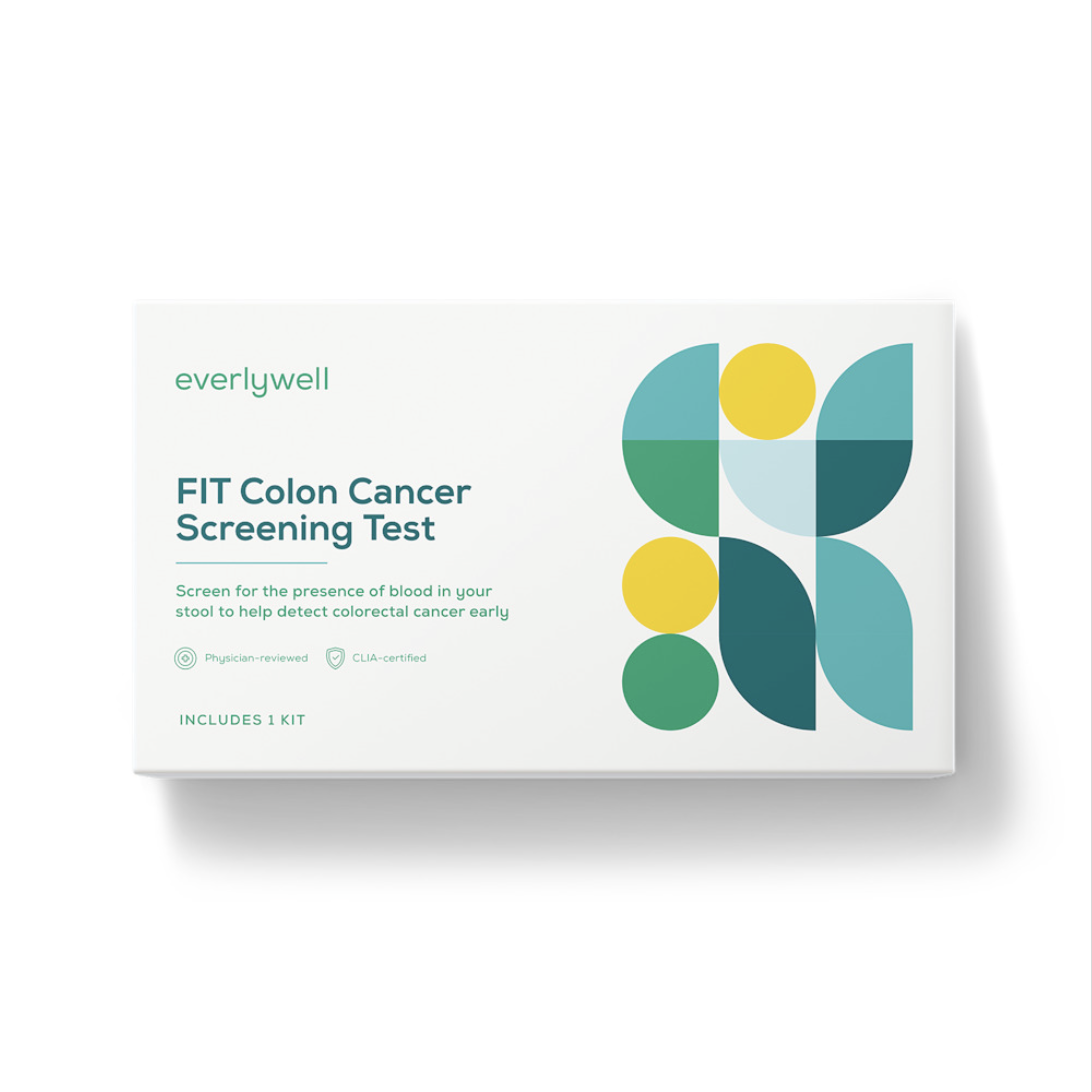
FIT Colon Cancer Screening Test
Rated 4.89 out of 5 from 212 reviewsHidden blood in stool, ages 45 to 75
Loading price
 Uses your mammogram
Clairity Breast™ Cancer 5-Year Risk Assessment
5-year breast cancer risk from an existing mammogram
Loading price In person
Galleri® Multi-Cancer Early Detection Test
Blood-based test that looks for a cancer signal shared by more than 50 cancer types.
Loading price In person
Caris Detect™ Multi-Cancer Screening
Blood-based test that looks for cancer signals across 55+ cancer types.
Loading price
Ask about cancer screening tests
Which screening test is right for you?
Ask in your own words, and we’ll suggest where to start.
Screening tests check for early signs of certain cancers in people without symptoms. Share your age and family history, and I’ll explain the options.
AI-generated. For information only, not medical advice. Call 911 for an emergency.
About cancer screening
When to consider it
Screening is for people with no symptoms. Guidelines set start ages for some cancers, so the right test depends on your age, sex, and family history.
What the tests look for
Hidden blood in stool for colon cancer, PSA for prostate cancer, cancer signals in blood across many types, and breast cancer risk from your mammogram.
At home or at a lab
The FIT kit is collected at home. PSA and multi-cancer tests need a blood draw. Clairity Breast™ uses a recent screening mammogram, if it’s compatible.
What cancer screening tests look for
What each test checks, and how to read a result.
Why it’s checked
Hidden blood can come from polyps or colorectal cancer. A positive calls for follow-up with your doctor, and usually a colonoscopy. It isn’t a diagnosis.
Reading your result
A negative means no blood was found this time, not that cancer is ruled out, so FIT is repeated yearly. A positive calls for follow-up with your doctor, and usually a colonoscopy.
Tests that include it

Why it’s checked
PSA can rise with cancer, but also with an enlarged prostate or inflammation, so it’s read against age and past results.
Reading your result
Recent ejaculation, cycling, and prostate procedures can raise PSA for a while, and some medicines lower it. A trend can matter more.
Tests that include it

Why it’s checked
Multi-cancer tests look for patterns in it that are linked to many cancer types, including some with no standard screening.
Reading your result
A negative result doesn’t rule out cancer. A positive result isn’t a diagnosis; it means a signal was found that needs follow-up tests.


Why it’s checked
It estimates your 5-year breast cancer risk, which can inform how often and how you’re screened.
Reading your result
Your result is a 5-year risk estimate, not a diagnosis. A higher estimate can be a reason to talk about extra or earlier screening with your doctor.
Tests that include it

Good to know
Screening is a first step.
- A screening result isn’t a diagnosis. An abnormal one needs a clinician’s follow-up.
- Screening is for people without symptoms. If you have symptoms, talk to a clinician.
- A yearly FIT is one of the options guidelines list for adults 45 to 75 at average risk.
Cancer screening articles
All articlesExplore more categories
All tests



Questions
Common questions.
Plain answers before you order.
Guidelines list a yearly FIT as one option for adults 45 to 75 at average risk. If you have symptoms or a higher risk, talk to a clinician about the right screening for you.
No. PSA can rise for reasons other than cancer. The USPSTF says men 55 to 69 should decide about PSA screening with a clinician after weighing benefits and harms, and it advises against routine screening at 70 and older.
No. They add to, and don’t replace, recommended screenings such as colonoscopy or FIT, mammograms, and cervical screening. A negative result doesn’t rule out cancer, and a positive one needs follow-up.
Yes. FSA and HSA cards are accepted at checkout. What counts as an eligible expense depends on your plan, so check with your plan administrator if you’re unsure.