Gonorrhea, Urine
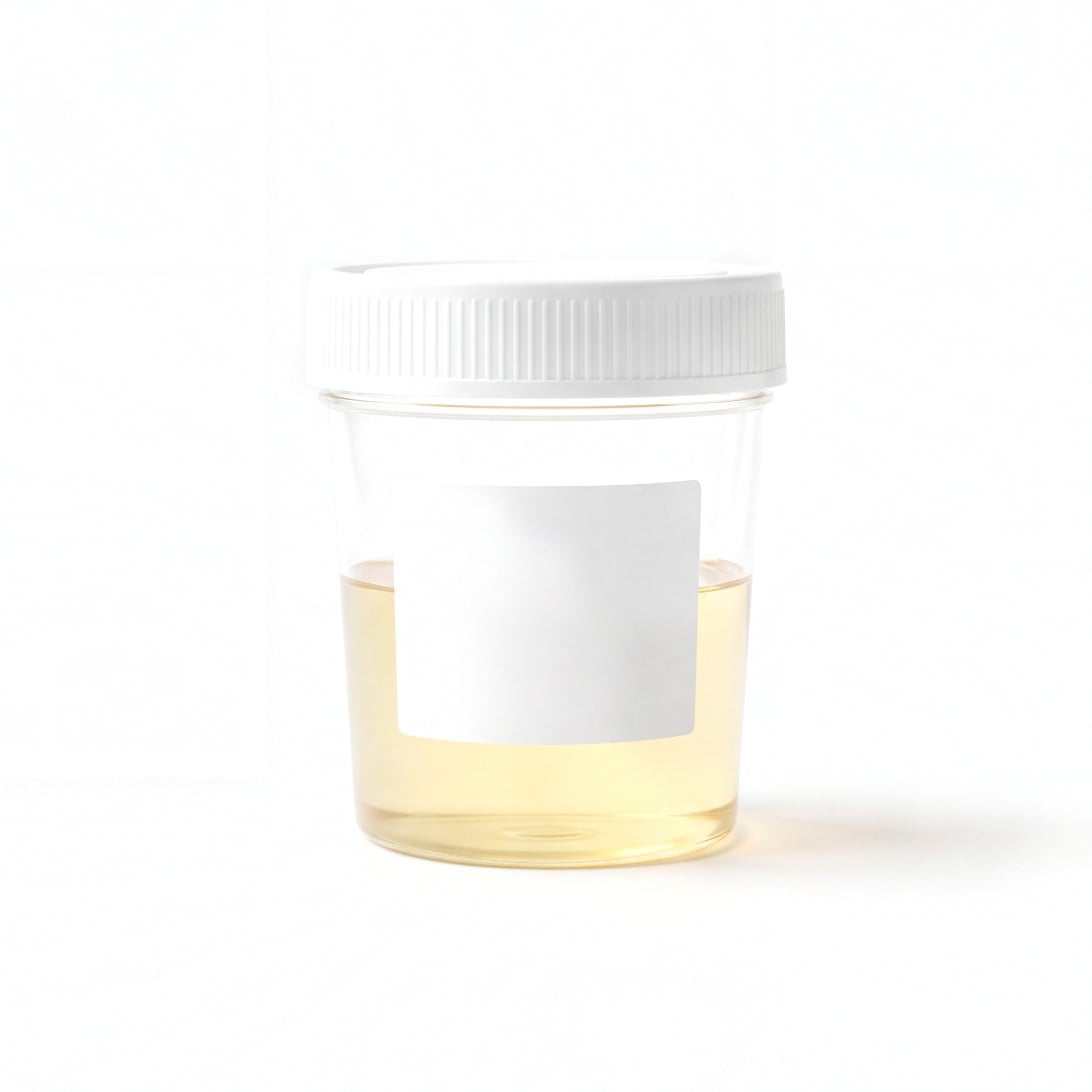
Gonorrhea on its own, checked from one urine sample.
- 2,000+ lab locations. Find one near you
- Nothing due at the lab. FSA / HSA accepted
- Ordered by a licensed clinician
At a glance
- Collection
- Urine sampleCollected at your visit. No needle.
- Preparation
- Hold your urineDo not urinate for 1 hour before your visit. Do not use cleansing wipes first.
- Results
- 2 to 4 daysTypical turnaround after your visit.
- Where
- 2,000+ lab locationsNationwide, with nothing due at the lab.
About this test
This test checks a urine sample for the RNA of the bacteria that cause gonorrhea, a common STI. Many infections cause no symptoms, so it is used for screening or a recheck. Hold your urine for 1 hour first, and skip cleansing wipes. It does not check for chlamydia or throat or rectal infections.
For adults 18 and older. Test availability varies by lab location.

Who should take this test?
For adults who want routine gonorrhea screening, a recheck a provider suggested, or testing with a new partner. Many infections cause no symptoms. If you have symptoms, see a provider.
Ask about this test
Not sure this is the right test?
AI-generated. For information only, not medical advice. Call 911 for an emergency.
What does this test measure?
Your result shows whether gonorrhea was found in your urine sample, which can help you and a healthcare provider decide whether treatment or another test makes sense.
- Neisseria gonorrhoeae RNA
- This test looks for genetic material (RNA) from the bacteria that cause gonorrhea in a urine sample. Gonorrhea can cause no symptoms, especially in women, and it is often checked together with chlamydia. A urine test does not check for infection of the throat or rectum.
- Why it’s measured: Gonorrhea can cause no symptoms and is often checked together with chlamydia.
How it works
- Step 1
Plan your visit
A licensed clinician in your state reviews your request. Plan your lab visit for a time when you can hold your urine for 1 hour first.
- Step 2
Hold your urine
Do not urinate for 1 hour before your sample is collected. Skip cleansing wipes, and if you have a vagina, do not cleanse the genital area first.
- Step 3
Catch the first stream
At the lab, collect the first part of your urine stream in the cup, rather than a midstream sample, as the lab instructs.
Find a lab near you
Choose from 2,000+ lab locations nationwide. Your order works at any of them.
What your results tell you
Gonorrhea is reported as positive or negative, based on whether the bacteria’s RNA was found in your urine sample.
- Your number next to the lab’s reference range
- Explained in plain language
- A licensed clinician reviews your order and, if appropriate, orders the test.
- A lab report you can download and share
Talk with a healthcare provider about a positive result. They can explain treatment, when to test again, and whether partners need testing.
Clinical-grade testing, from the comfort of home.
From the lab to your report, every step of our process meets the gold standard in medical testing.
CLIA-certified labs
Every lab we partner with is certified under the Clinical Laboratory Improvement Amendments, meeting both state and federal standards with regular independent inspections.
We protect your health data
We protect your health data with encryption and do not sell it. Some results must be reported to public health authorities by law. See our Privacy Notice.
Rigorous quality assurance
All partner labs run regular internal quality checks, participate in proficiency testing, and comply with federal and state lab regulations.
Clinician-reviewed reports
Results are reviewed by an independent, licensed clinician.
Related tests
 In person
Chlamydia + Gonorrhea, Urine
Adds chlamydia, checked from the same urine sample.
Loading price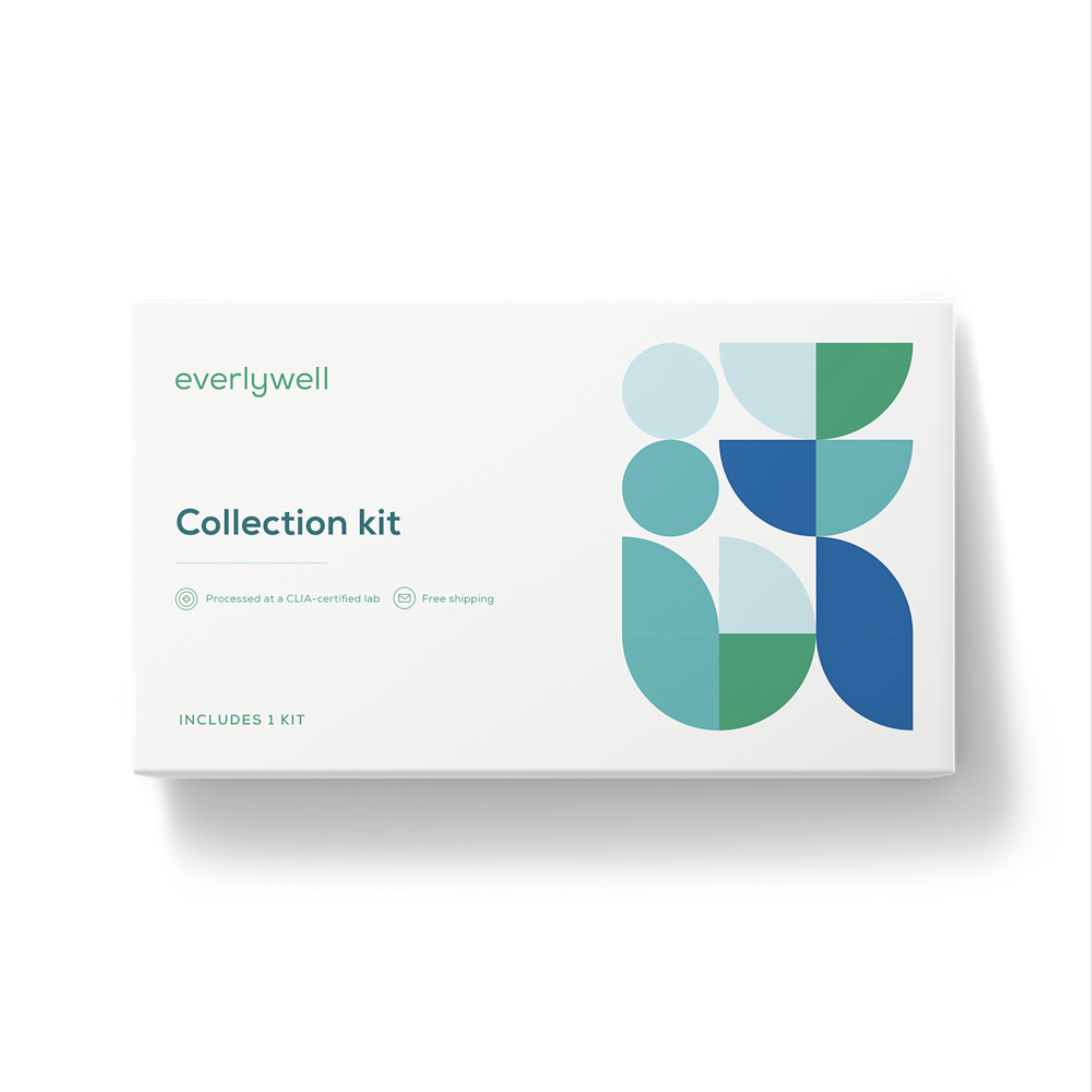 At-home collection
Chlamydia & Gonorrhea Test
Gonorrhea and chlamydia from a urine sample at home.
Loading price
Questions
Common questions.
Anything else, our care team answers by phone, text, or email.
This test is designed for the first part of the urine stream, collected at least 1 hour after you last urinated. Urinating sooner can rinse away some of what the test looks for.
If you have a vagina, the lab asks that you not cleanse the genital area before giving the sample, so skip cleansing wipes.
The lab notes gonorrhea most often affects the urethra in men and the cervix in women, and it can also infect the vagina and uterus. It can infect the throat or rectum as well, and a urine test does not check those sites. A healthcare provider can advise on testing them.
Timing matters, and a test very soon after sex with a new partner may not reflect a new infection. A healthcare provider can advise when to test, and whether and when to retest, based on your situation.
Testing too soon after treatment can pick up genetic material from bacteria that are no longer alive, so ask a healthcare provider when to recheck.
This test is not meant for use in legal matters, including after a sexual assault. If you have been assaulted, an emergency room can give care and testing that should not wait.
This test checks for gonorrhea alone. It does not check for chlamydia or other STIs, and it does not check the throat or rectum. A negative result reflects the sample on the day of your visit. If you have symptoms, see a healthcare provider even after a negative result.
Some positive results are reported to public health authorities as required by state law. Talk with a healthcare provider about any positive result.