Gut & digestion tests
Food sensitivity, celiac, and colon cancer screening at home, plus allergy tests at a lab.

Shop gut & digestion tests
 At-home collection
Food Sensitivity Test
Rated 4.69 out of 5 from 6,996 reviews96 foods from one finger-prick card
Loading price At-home collection
Celiac Disease Screening Test
Rated 3.80 out of 5 from 20 reviewstTG-IgA and total IgA from a finger prick
Loading price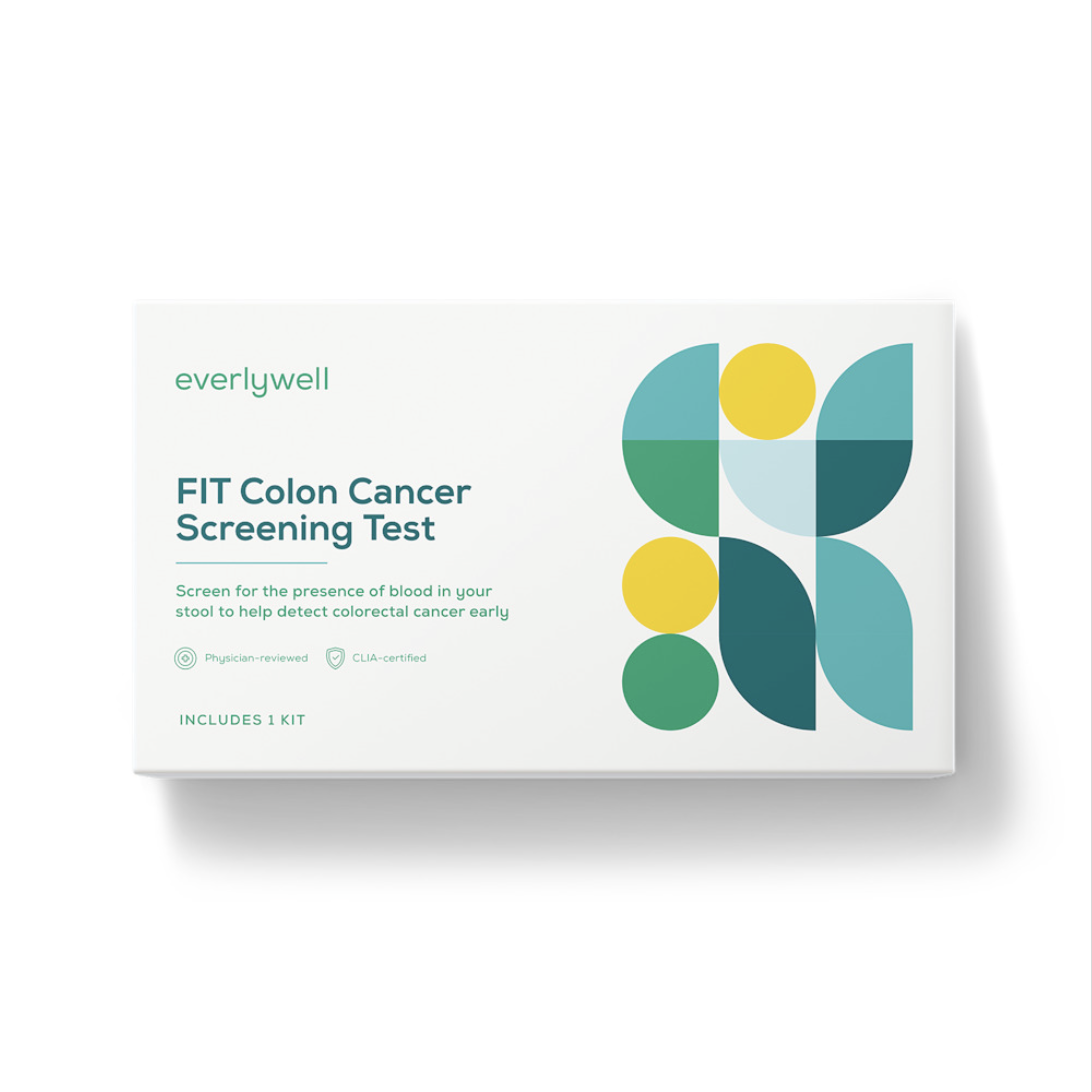 At-home collection
FIT Colon Cancer Screening Test
Rated 4.89 out of 5 from 212 reviewsHidden blood in stool, ages 45 to 75
Loading price
Ask about gut & digestion tests
Which gut & digestion test is right for you?
Ask in your own words, and we’ll suggest where to start.
Bloating, cramps, or reactions after eating can have more than one cause. Tell me what you’ve noticed, and I’ll point you to tests that look at it.
AI-generated. For information only, not medical advice. Call 911 for an emergency.
About gut and digestion testing
When to consider it
If bloating or stomach pain seems tied to what you eat, you’ve reacted to a food, celiac disease runs in your family, or you’re due for colon screening.
What the tests measure
IgG food reactivity, celiac antibodies, gut microbes, and hidden blood in stool at home. At a lab, food allergy (IgE) plus liver, iron, and B12 levels.
At home or at a lab
Kits use a finger prick or stool sample you mail back in a prepaid box. Lab tests, where offered, use a blood draw after a clinician reviews your request.
Common gut symptoms
How each one connects to what a test can check.
Bloating
Bloating after some meals can be a reason to check IgG food reactivity or celiac antibodies.
Reactions soon after eating
Hives, itching, or swelling soon after eating can signal an allergy. An allergist reads IgE.
Tired all the time
Celiac can lower iron and leave you tired. Low iron has other causes a clinician can check.
Celiac in the family
Close relatives of people with celiac are more likely to have it; tTG-IgA is the usual check.
Due for colon screening
The American Cancer Society and US Preventive Services Task Force recommend regular screening for colon cancer starting at age 45 for people at normal risk.
Eating mostly plants
Plant-based eating can lower vitamin B12, since it comes mostly from animal foods.
Gut health biomarkers, explained
9 biomarkers across these tests, and what each one tells you.
Why it’s checked
Results show which foods your IgG reacts to more strongly, a starting point for a talk with a clinician or dietitian.
Reading your result
Higher reactivity doesn’t mean a food is harmful or causing symptoms. Talk with a clinician before cutting foods from your diet.
Tests that include it

Why it’s checked
IgE is the antibody behind food allergies that can cause hives, swelling, or trouble breathing soon after eating.
Reading your result
A higher level means more sensitization, not a certain reaction, and a low one doesn’t clear an allergy. An allergist reads it.
Tests that include it

Why it’s checked
Guidelines use it as the main antibody test for celiac, checked with total IgA in case your IgA runs low.
Reading your result
Eating gluten is needed for an accurate result; if you’ve stopped, ask a clinician first. A positive is usually confirmed by a specialist.
Tests that include it

Why it’s checked
When total IgA is low, a tTG-IgA result can look normal when it isn’t, so the two are checked together.
Reading your result
Low total IgA is more common in people with celiac. If yours is low, other antibody tests can be used instead.
Tests that include it
Why it’s checked
Hidden blood can come from polyps or colorectal cancer. A positive calls for follow-up with your doctor, and usually a colonoscopy. It isn’t a diagnosis.
Reading your result
A negative means no blood was found this time, not that cancer is ruled out, so FIT is repeated yearly. A positive calls for follow-up with your doctor, and usually a colonoscopy.
Tests that include it

Why it’s checked
It compares your microbiome with patterns reported in research studies. It isn’t diagnostic and doesn’t show cause.
Reading your result
An association shows similarity to a research pattern, not a condition. Talk with a clinician before acting on a result.
Tests that include it

Why it’s checked
Conditions that affect the gut, such as celiac disease, can make it harder to absorb iron from food.
Reading your result
Low ferritin points to low iron stores. Inflammation can raise it, so it’s read with your iron and blood count.
Tests that include it
Why it’s checked
B12 is absorbed in the gut, so digestive conditions and some medications can lower it.
Reading your result
Low levels can cause tiredness and tingling. Recent supplements can raise a result, so tell your provider what you take.
Tests that include it
Why it’s checked
ALT rises when liver cells are under stress, so it’s one of the first liver numbers checked.
Reading your result
Mild rises are common after alcohol, hard exercise, or some medications. It’s read with AST and your other liver numbers.
Tests that include it
Good to know
A sensitivity isn’t an allergy.
- Food sensitivity tests measure IgG. Food allergy tests measure IgE, a different antibody.
- No single result diagnoses celiac disease or a food allergy. A clinician reads it with your history.
- Trouble breathing or throat swelling after eating needs 911. After a serious reaction, see an allergist.
Gut health articles
All articlesExplore more categories
All tests



Questions
Common questions.
Plain answers before you order.
Hidden blood in a stool sample. It’s a screening test for adults at average risk, usually from age 45, and it doesn’t diagnose cancer. A positive result needs a colonoscopy, so talk to a clinician about any result.
Register your kit ID, collect your sample, and drop the prepaid mailer in any USPS mailbox. Results post to your account.
Yes. FSA and HSA cards are accepted at checkout. What counts as an eligible expense depends on your plan, so check with your plan administrator if you’re unsure.