
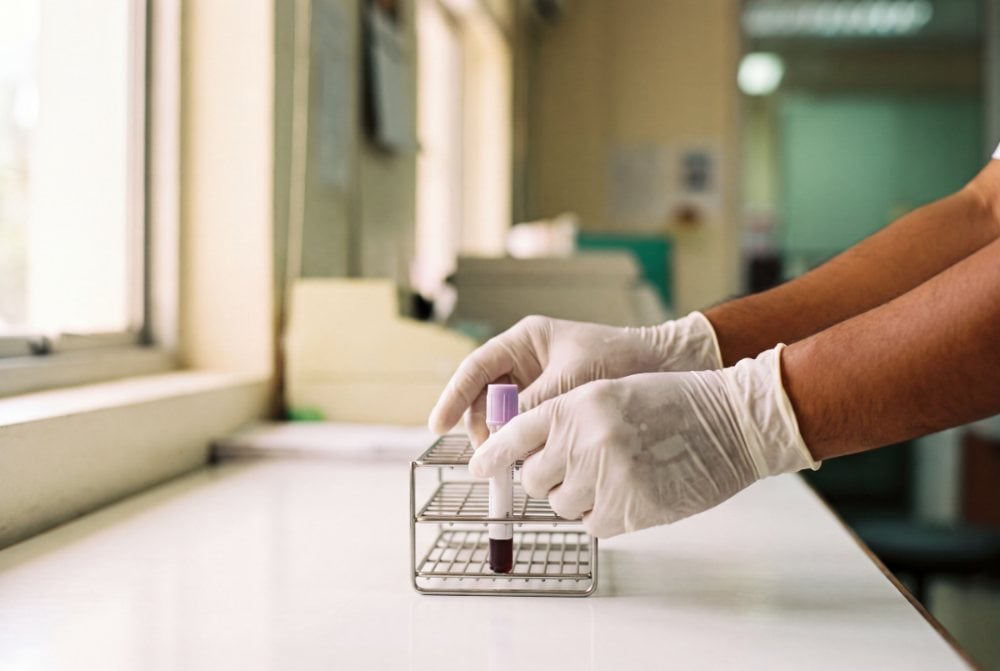
Perimenopause Check
Estradiol, FSH, and TSH, from one blood draw with no fasting.
- 2,000+ lab locations. Find one near you
- Nothing due at the lab. FSA / HSA accepted
- Ordered by a licensed clinician
At a glance
- Collection
- Blood drawA standard blood draw at the lab.
- Preparation
- NoneNo fasting. If you have had fluorescein angiography, wait 3 days.
- Results
- 1 to 3 daysTypical turnaround after your visit.
- Where
- 2,000+ lab locationsNationwide, with nothing due at the lab.
About this test
Estradiol and FSH shift as you approach menopause, and thyroid changes can cause similar symptoms, so this check measures all three: estradiol, FSH, and TSH. Levels rise and fall during perimenopause, so one result may not reflect the trend, and a blood test alone cannot tell whether you are in menopause.
For adults 18 and older. Test availability varies by lab location.

Who should take this test?
For women in midlife with hot flashes, cycle changes, or sleep or mood changes who want key hormone and thyroid numbers before seeing a provider. Commonly related symptoms include:
Body
- Hot flashes
- Night sweats
- Trouble sleeping
Reproductive
- Irregular periods
- Heavier or lighter flow
Mood
- Mood changes
- Irritability
Sexual
- Vaginal dryness
- Lower sex drive
Head
- Trouble focusing
Ask about this test
Not sure this is the right test?
AI-generated. For information only, not medical advice. Call 911 for an emergency.
What does this test measure?
Your results show your estradiol and FSH on the day of the draw and whether your thyroid could explain similar symptoms, to discuss with a healthcare provider.
- Estradiol
- Estradiol is the main form of estrogen during the reproductive years, made mostly by the ovaries. Levels change across the menstrual cycle and fall after menopause. A more sensitive method than this standard one is recommended when low levels are expected, such as in men or after menopause.
- Why it’s measured: The main estrogen in the reproductive years; varies across the cycle.
- Follicle-stimulating hormone (FSH)
- FSH is made by the pituitary gland. In women it helps eggs mature in the ovaries; in men it supports sperm production. FSH changes across the menstrual cycle and tends to rise as the ovaries make less estrogen, such as around menopause, so timing and age matter when it is read.
- Why it’s measured: A pituitary hormone that changes across the cycle and around menopause.
- Thyroid-stimulating hormone (TSH)
- TSH is made by the pituitary gland at the base of your brain and tells your thyroid how much hormone to make. It usually moves in the opposite direction from thyroid hormone: TSH tends to rise when the thyroid is underactive and fall when it is overactive. It is the usual first thyroid check.
- Why it’s measured: Shows how strongly your pituitary gland is signaling your thyroid to work.
Hormones
Thyroid
How it works

- Step 1
Order online
Check out here. A licensed clinician in your state reviews your order and sends it to the lab.
- Step 2
Visit a lab
Bring a photo ID to any of 2,000+ lab locations. No fasting. If you have had fluorescein angiography, wait 3 days. Nothing is due at the lab.
- Step 3
Get your results
Results post to your account, usually in 1 to 3 days, each number next to the lab’s reference range.
Find a lab near you
Choose from 2,000+ lab locations nationwide. Your order works at any of them.
What your results tell you
Each hormone is reported as a value with its unit and compared with the lab’s reference ranges, which for estradiol and FSH vary by cycle phase.
- Each marker next to the lab’s reference range
- Explained in plain language
- A licensed clinician reviews your order and, if appropriate, orders the test.
- A lab report you can download and share
Perimenopause is usually identified from symptoms and cycle history, not one blood test. A healthcare provider can explain your results.
Clinical-grade testing, from the comfort of home.
From the lab to your report, every step of our process meets the gold standard in medical testing.
CLIA-certified labs
Every lab we partner with is certified under the Clinical Laboratory Improvement Amendments, meeting both state and federal standards with regular independent inspections.
We protect your health data
We protect your health data with encryption and do not sell it. Some results must be reported to public health authorities by law. See our Privacy Notice.
Rigorous quality assurance
All partner labs run regular internal quality checks, participate in proficiency testing, and comply with federal and state lab regulations.
Clinician-reviewed reports
Results are reviewed by an independent, licensed clinician.
Related tests
 At-home collection
Women's Health Test
Ten hormone and thyroid markers, collected at home.
Loading price
Questions
Common questions.
Anything else, our care team answers by phone, text, or email.
Not on its own. During perimenopause, estradiol and FSH can rise and fall from month to month, so a single result may not reflect the overall trend. A healthcare provider looks at your age, symptoms, and cycle history along with your results, and may suggest repeat testing.
If you still have periods, yes. Estradiol and FSH change across the menstrual cycle, so the day you test affects the results. Your healthcare provider can advise which cycle day makes sense for you. If your periods are far apart or have stopped, ask them how to time it.
Yes. Hormonal birth control and hormone therapy can change estradiol and FSH, which can make results hard to read, so tell your healthcare provider what you use. Fluorescein dye from some eye exams can also affect results, which is why the prep asks you to wait 3 days after fluorescein angiography.
Don’t stop or change any medicine or supplement without talking with your healthcare provider.
Thyroid changes can cause symptoms that overlap with perimenopause, such as tiredness, mood changes, trouble sleeping, feeling too warm, and changes in your period. TSH is a common first check of thyroid function, so it helps a provider consider the thyroid as a possible factor.
Lab tests are informational and don’t diagnose conditions on their own. Available to adults 18 and older; test availability varies by lab location. A licensed clinician reviews your order and, if appropriate, orders the test. All testing is performed at CLIA-certified laboratories. Not for emergencies: if you think you may be having a medical emergency, call 911.