Men's Hormone Panel
Total and free testosterone plus five related hormones, one draw.
- 2,000+ lab locations. Find one near you
- Nothing due at the lab. FSA / HSA accepted
- Ordered by a licensed clinician
At a glance
- Collection
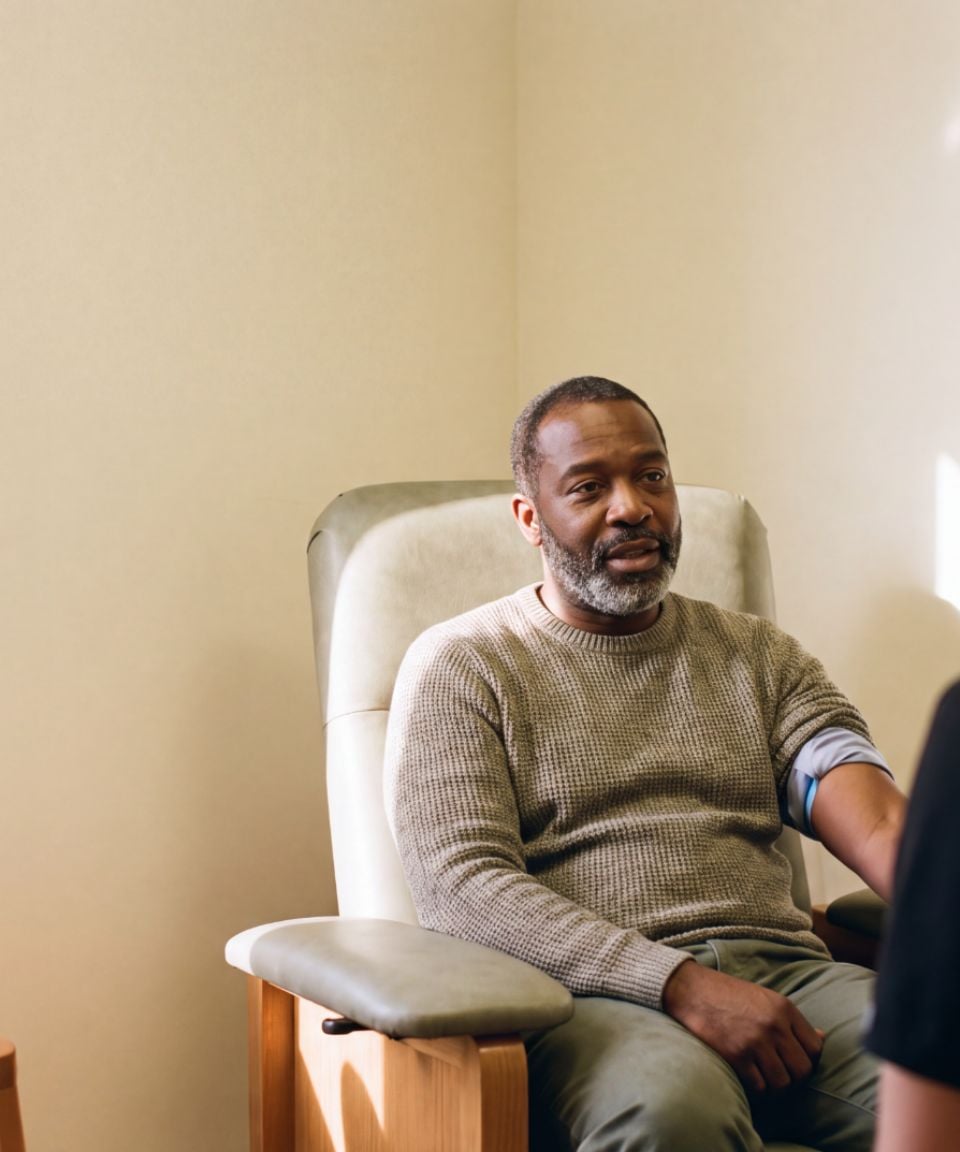
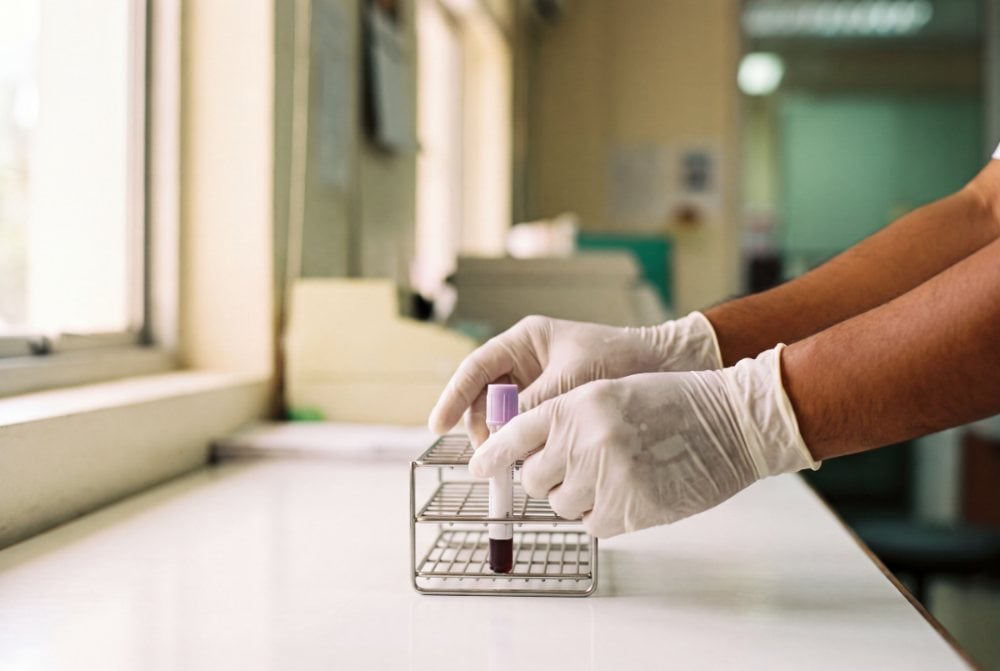
- Blood drawA standard blood draw at the lab.
- Preparation
- Morning, fasting preferredDraw before 10 a.m. Fast 8 to 12 hours; water is fine.
- Results
- 3 to 5 daysTypical turnaround after your visit.
- Where
- 2,000+ lab locationsNationwide, with nothing due at the lab.
About this test
Testosterone is easier to interpret with the hormones around it. This panel measures total and free testosterone with estradiol, DHEA-S, LH, FSH, and prolactin. LH and FSH are the pituitary’s signals to the testes. Draw before 10 a.m., and fast 8 to 12 hours if you can.
For adults 18 and older. Test availability varies by lab location.

Who should take this test?
For men with questions about energy, sex drive, erections, or muscle changes, or with a borderline testosterone result, who want the related hormones checked too.
Ask about this test
Not sure this is the right test?
AI-generated. For information only, not medical advice. Call 911 for an emergency.
What does this test measure?
Together, these results show your testosterone level and the signals and hormones around it, which helps a provider see where a change may be starting.
- Testosterone, total
- Testosterone is a hormone made mainly by the testes, and in smaller amounts by the ovaries and adrenal glands. Total testosterone measures both the bound and free forms. Levels are highest in the morning and can vary day to day, so an out-of-range result is often repeated before conclusions are drawn.
- Why it’s measured: The total amount of testosterone, usually drawn in the morning.
- Testosterone, free
- Most testosterone travels bound to proteins such as SHBG and albumin. Free testosterone is the small unbound portion. This test uses a dialysis method to separate the unbound portion and a calculation to report it. It can add detail when total testosterone is borderline or when binding proteins may be higher or lower than usual.
- Why it’s measured: The unbound portion of testosterone, useful when total is borderline.
- Estradiol
- Estradiol is the main form of estrogen during the reproductive years, made mostly by the ovaries. Levels change across the menstrual cycle and fall after menopause. A more sensitive method than this standard one is recommended when low levels are expected, such as in men or after menopause.
- Why it’s measured: The main estrogen in the reproductive years; varies across the cycle.
- DHEA sulfate (DHEA-S)
- DHEA-S is a hormone made mainly by the adrenal glands, and the body can convert it into testosterone and estrogen. It is the main androgen the adrenal glands make. Levels peak in early adulthood and decline with age. It is often read with other hormones when androgen levels are a question.
- Why it’s measured: The main androgen made by the adrenal glands, often read with other hormones.
- Luteinizing hormone (LH)
- LH is made by the pituitary gland. In women a surge of LH triggers ovulation; in men LH signals the testes to make testosterone. Levels change across the menstrual cycle, so LH is usually read with FSH and the other reproductive hormones rather than on its own.
- Why it’s measured: A pituitary hormone that triggers ovulation and testosterone production.
- Follicle-stimulating hormone (FSH)
- FSH is made by the pituitary gland. In women it helps eggs mature in the ovaries; in men it supports sperm production. FSH changes across the menstrual cycle and tends to rise as the ovaries make less estrogen, such as around menopause, so timing and age matter when it is read.
- Why it’s measured: A pituitary hormone that changes across the cycle and around menopause.
- Prolactin
- Prolactin is a hormone made by the pituitary gland that supports breast milk production. Levels rise sharply in pregnancy and breastfeeding. Stress, exercise, sleep, and some medicines can raise it briefly, so a higher result is often repeated before it is read.
- Why it’s measured: A pituitary hormone that, when high, can affect other reproductive hormones.
Hormones
How it works
- Step 1
Order online
Check out here. A licensed clinician in your state reviews your order and sends it to the lab.
- Step 2
Visit a lab
Bring a photo ID to any of 2,000+ lab locations. Draw before 10 a.m. Fast 8 to 12 hours; water is fine. Nothing is due at the lab.
- Step 3
Get your results
Results post to your account, usually in 3 to 5 days, each number next to the lab’s reference range.
Find a lab near you
Choose from 2,000+ lab locations nationwide. Your order works at any of them.
What your results tell you
Each hormone is reported as a value with its unit and compared with the lab’s reference range for your age and sex.
- Each marker next to the lab’s reference range
- Explained in plain language
- A licensed clinician reviews your order and, if appropriate, orders the test.
- A lab report you can download and share
One result is a snapshot, and hormone levels vary. A healthcare provider can explain your results and whether a repeat morning test makes sense.
Clinical-grade testing, from the comfort of home.
From the lab to your report, every step of our process meets the gold standard in medical testing.
CLIA-certified labs
Every lab we partner with is certified under the Clinical Laboratory Improvement Amendments, meeting both state and federal standards with regular independent inspections.
We protect your health data
We protect your health data with encryption and do not sell it. Some results must be reported to public health authorities by law. See our Privacy Notice.
Rigorous quality assurance
All partner labs run regular internal quality checks, participate in proficiency testing, and comply with federal and state lab regulations.
Clinician-reviewed reports
Results are reviewed by an independent, licensed clinician.
Related tests
- In person
Testosterone, Free (Dialysis) + Total
Total and free testosterone on their own, one draw.
Loading price  At-home collection
Men's Health Test
Testosterone, cortisol, DHEA-S, and estradiol at home.
Loading price
Questions
Common questions.
Anything else, our care team answers by phone, text, or email.
Testosterone peaks early in the day and falls later, so a draw before 10 a.m. gives a result that is easier to compare with reference ranges. Fasting 8 to 12 hours is preferred, and the lab prefers an overnight fast for prolactin. Water is fine.
Most testosterone in your blood is bound to proteins. Total testosterone counts all of it, while free testosterone is the small unbound share that tissues can use readily. Free testosterone can add context when total testosterone is borderline or when binding proteins are unusual.
This panel uses a standard estradiol test. When low estradiol is expected, as in men, a more sensitive estradiol test is recommended. Read this result as a general check. If the exact level matters for your care, a healthcare provider may suggest a more sensitive test.
Yes. Testosterone and other hormone therapy change these results, DHEA supplements show up in DHEA-S, and many medicines, including some antidepressants, can raise prolactin. Stress, exercise, and sleep can also raise prolactin for a short time. Tell your healthcare provider what you take.
Don’t stop or change any medicine or supplement without talking with your healthcare provider.
Hormone results do not explain symptoms on their own. Tiredness, low sex drive, and erection changes have many causes, including sleep, stress, heart health, and medicines. A provider looks at your symptoms, history, and often repeat results before drawing conclusions.
Lab tests are informational and don’t diagnose conditions on their own. Available to adults 18 and older; test availability varies by lab location. A licensed clinician reviews your order and, if appropriate, orders the test. All testing is performed at CLIA-certified laboratories. Not for emergencies: if you think you may be having a medical emergency, call 911.