
FSH + LH
Both pituitary cycle hormones, FSH and LH, from one blood draw.
- 2,000+ lab locations. Find one near you
- Nothing due at the lab. FSA / HSA accepted
- Ordered by a licensed clinician
At a glance
- Collection
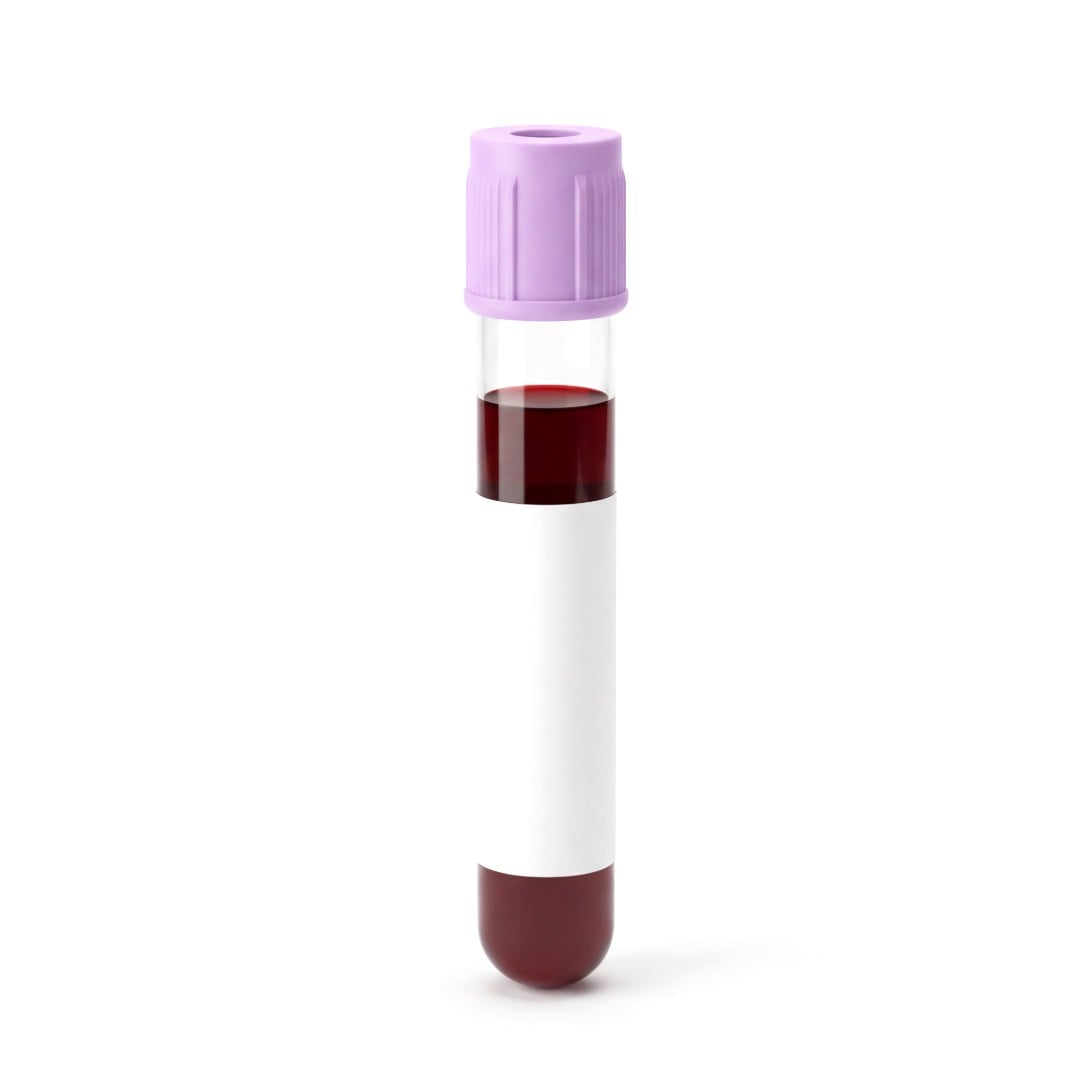
- Blood drawA standard blood draw at the lab.
- Preparation
- NoneNothing to do ahead of time. Water is fine.
- Results
- 1 to 3 daysTypical turnaround after your visit.
- Where
- 2,000+ lab locationsNationwide, with nothing due at the lab.
About this test
FSH and LH are made by the pituitary gland. Together they run ovulation and the menstrual cycle, and they support sperm and testosterone production. Checking both at once shows how they compare. Levels shift across the cycle, so ask a healthcare provider which cycle day to test.
For adults 18 and older. Test availability varies by lab location.

Who should take this test?
This test is often used by adults with irregular or missed periods, perimenopause questions, or trouble conceiving, read with other hormones. Commonly related symptoms include:
Reproductive
- Irregular periods
- Missed periods
- Trouble conceiving
Body
- Hot flashes
- Night sweats
Skin
- Acne
Hair
- Unwanted hair growth
Ask about this test
Not sure this is the right test?
AI-generated. For information only, not medical advice. Call 911 for an emergency.
What does this test measure?
Your results show your levels of FSH and LH and how they compare, which a healthcare provider can read with your cycle timing and other hormones such as estradiol.
- Follicle-stimulating hormone (FSH)
- FSH is made by the pituitary gland. In women it helps eggs mature in the ovaries; in men it supports sperm production. FSH changes across the menstrual cycle and tends to rise as the ovaries make less estrogen, such as around menopause, so timing and age matter when it is read.
- Why it’s measured: A pituitary hormone that changes across the cycle and around menopause.
- Luteinizing hormone (LH)
- LH is made by the pituitary gland. In women a surge of LH triggers ovulation; in men LH signals the testes to make testosterone. Levels change across the menstrual cycle, so LH is usually read with FSH and the other reproductive hormones rather than on its own.
- Why it’s measured: A pituitary hormone that triggers ovulation and testosterone production.
How it works

- Step 1
Order online
Check out here. A licensed clinician in your state reviews your order and sends it to the lab.
- Step 2
Visit a lab
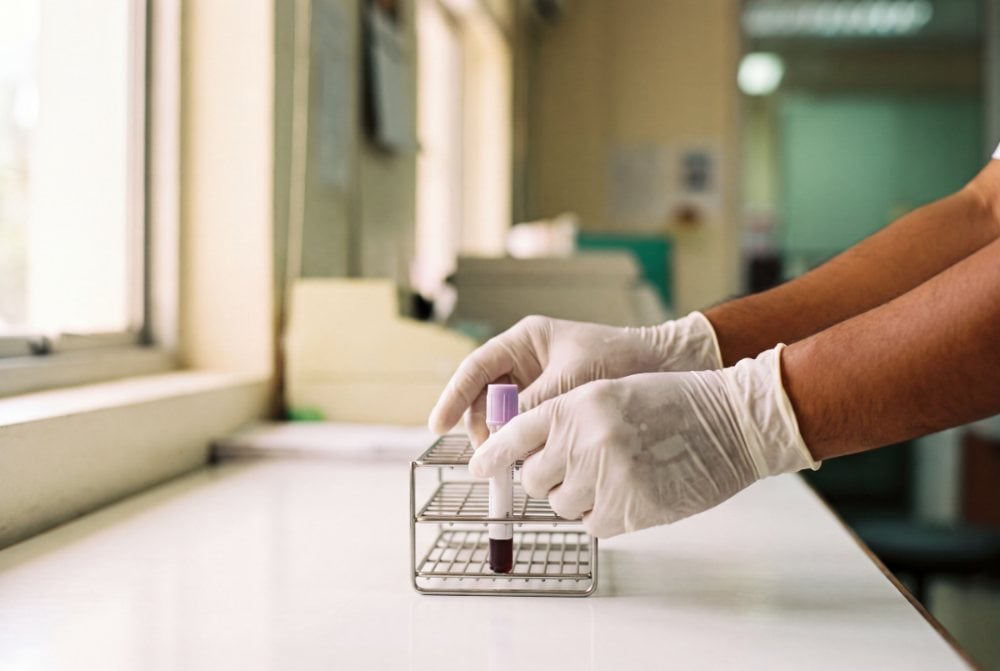
Bring a photo ID to any of 2,000+ lab locations. No fasting needed, and nothing is due at the lab.
- Step 3
Get your results
Results post to your account, usually in 1 to 3 days, each number next to the lab’s reference range.
Find a lab near you
Choose from 2,000+ lab locations nationwide. Your order works at any of them.
What your results tell you
FSH and LH are each reported as a number and compared with the lab’s reference ranges. Cycle phase affects how both are read.
- Each marker next to the lab’s reference range
- Explained in plain language
- A licensed clinician reviews your order and, if appropriate, orders the test.
- A lab report you can download and share
A healthcare provider reads FSH and LH with your cycle history and other hormones, and decides what follow-up, if any, makes sense.
Clinical-grade testing, from the comfort of home.
From the lab to your report, every step of our process meets the gold standard in medical testing.
CLIA-certified labs
Every lab we partner with is certified under the Clinical Laboratory Improvement Amendments, meeting both state and federal standards with regular independent inspections.
We protect your health data
We protect your health data with encryption and do not sell it. Some results must be reported to public health authorities by law. See our Privacy Notice.
Rigorous quality assurance
All partner labs run regular internal quality checks, participate in proficiency testing, and comply with federal and state lab regulations.
Clinician-reviewed reports
Results are reviewed by an independent, licensed clinician.
Related tests
Questions
Common questions.
Anything else, our care team answers by phone, text, or email.
FSH and LH are both released by the pituitary gland in response to signals from the brain, and they rise and fall in a pattern across the cycle. Looking at both, and how they compare, can tell a healthcare provider more than either one alone.
They are often read with estradiol, progesterone, or testosterone, since those hormones feed back to the pituitary.
Both hormones change across the menstrual cycle, and LH surges around ovulation, so the day you test affects the results. The right day depends on your question.
A healthcare provider can advise which cycle day to test. If your periods are irregular or absent, ask them how to time it.
Yes. Hormonal birth control and hormone therapy can change FSH and LH, so your results may not reflect your own pattern. Tell your healthcare provider about any hormone medicine you use. Don’t stop or change any medicine or supplement without talking with your healthcare provider.
On their own, FSH and LH cannot say whether you have polycystic ovary syndrome (PCOS), whether you are in menopause, or how fertile you are. Patterns in these hormones can point a healthcare provider toward next steps, but conclusions come from your history, an exam, and often other tests.
Lab tests are informational and don’t diagnose conditions on their own. Available to adults 18 and older; test availability varies by lab location. A licensed clinician reviews your order and, if appropriate, orders the test. All testing is performed at CLIA-certified laboratories. Not for emergencies: if you think you may be having a medical emergency, call 911.