
- Collection
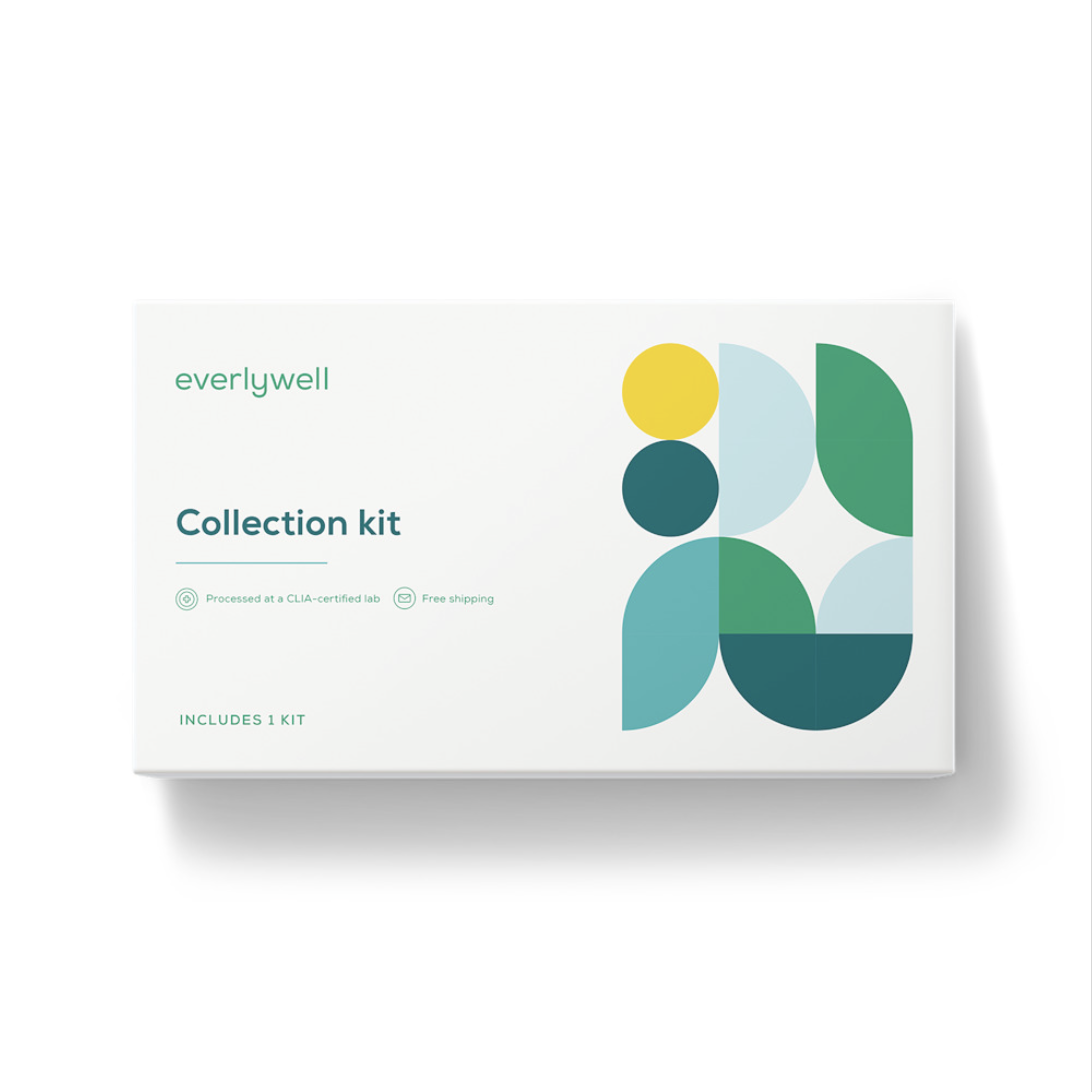
- Finger prickA few drops of blood on a card, at home.
- Preparation
- Keep eating as usualConsume that food for about 4-6 weeks prior to testing. Do not eat foods you have a known allergy to.
- Results
- 10 to 14 daysEnd to end, including mail time each way.
- Shipping
- Free, both waysPrepaid return mailer, any USPS mailbox.
About this test
Measure IgG reactivity to 96 or 204 foods to help plan an elimination diet with guidance. This test measures IgG reactivity, which is not a diagnosis of intolerance or allergy.
For adults 18 and older. Not available in NY. Not recommended during pregnancy or with a history of an eating disorder.

Finally figure out if food sensitivities might be making you feel that way
If you have hives, swelling or trouble breathing after eating, seek medical care.
- Bloating
- Stomach pain
- Abdominal pain
- Indigestion
- Gastrointestinal distress
- Headaches
Ask about this test
Not sure this is the right test?
Ask me about this test: what it measures, which size fits you, how to prepare, or how it differs from an allergy test.
AI-generated. For information only, not medical advice. Call 911 for an emergency.
What does this test measure?
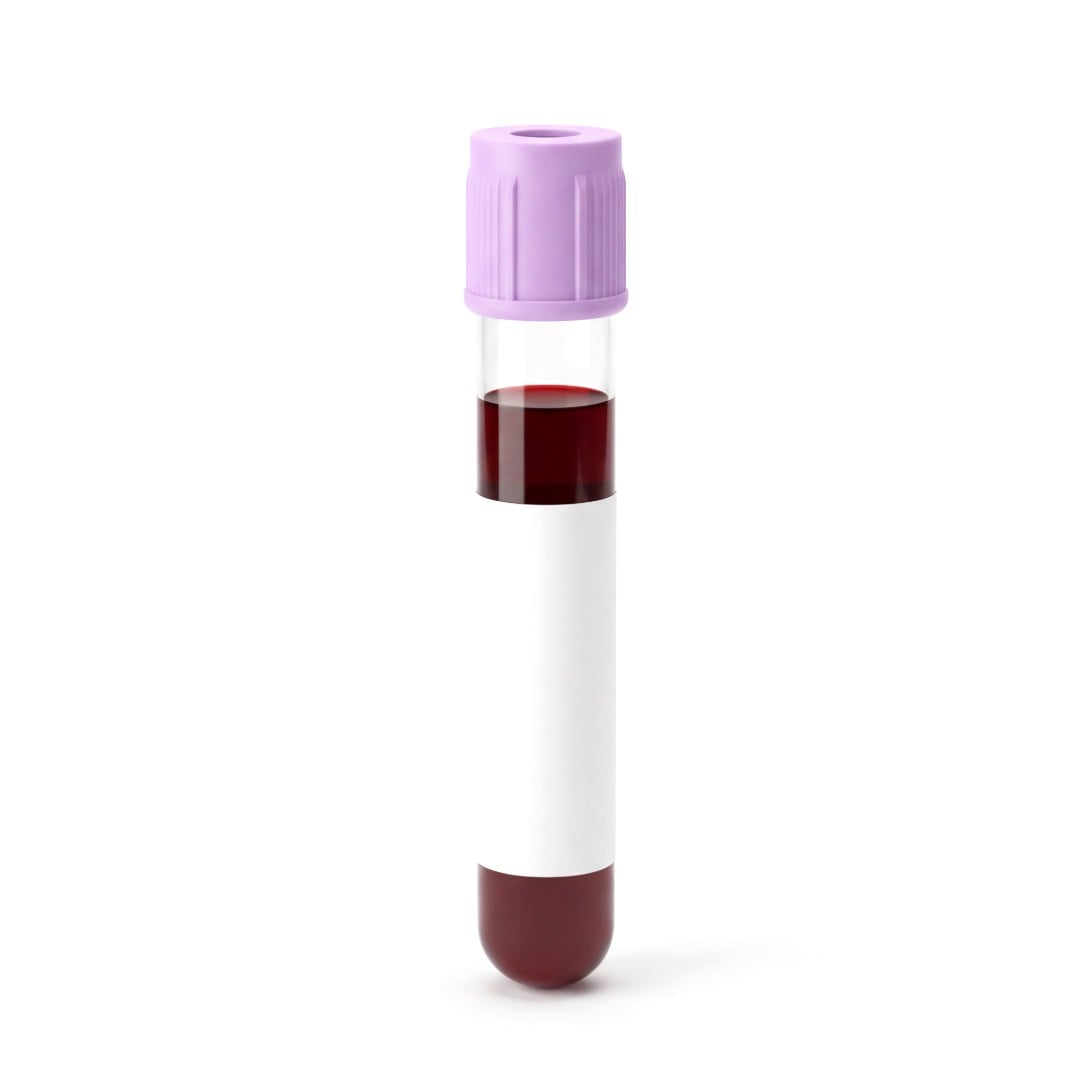
The Immunoglobulin G (IgG) test measures the levels of IgG antibodies in your blood, checking for sensitivity to 96 foods, or 204 with the Comprehensive test.
| Food group | ||
|---|---|---|
| Dairy | 5 | 15 |
| Eggs | 2 | 2 |
| Fruits | 16 | 35 |
| Grains | 10 | 13 |
| Legumes | 5 | 14 |
| Meat | 5 | 7 |
| Seafood | 11 | 25 |
| Seeds and nuts | 7 | 16 |
| Spices | 15 | 40 |
| Vegetables | 20 | 37 |
| Total | 96 | 204 |
Use your results to plan a two-part elimination diet

- Day 1
Take control
Test following consumption of foods you believe you're sensitive to. Getting to the root of your symptoms starts here. Easily order your test online in minutes.
- Days 2 to 7
Receive, collect, and ship
Receive your test at your door, register it online, and complete a simple finger-prick sample collection. Mail your sample back with the prepaid shipping label. No clinic drop-offs required.
- Days 10 to 14
Get your insights
Receive your clinician-reviewed results in your secure portal. Finally have a data-backed picture of how your body responds to certain foods.
- After your results
Plan an elimination diet
Use your results to plan a two-part elimination diet, ideally with a clinician or dietitian.
We’ll help you understand what they mean and what to do next. Because knowledge is the first step to feeling better.
What your results tell you
Each food is rated from Class 0 to Class 3, so you can see where to start.
- Help prioritizing your temporary elimination diet
- Tailored suggestions about what to do next
- Personalized information and education
- Results reviewed by a licensed clinician
Higher reactivity doesn’t always mean a food causes symptoms. Your results are a starting point for a two-part elimination diet.
Sensitivity, intolerance, allergy and gut microbiome are four different things
They get used interchangeably. They aren’t. Here is what each one means, and which one this test measures.
Food sensitivity
A measurable IgG immune response to specific food proteins. Not the same as an allergy. Reactivity is information, not a verdict.
What this test measures
- Mechanism
- IgG reactivity shows exposure to a food protein. It does not on its own mean a food causes symptoms.
- Timing
- Hours to days after eating, if symptoms appear at all.
- Symptoms
- Common symptoms include headaches, bloating, stomach pain/discomfort and indigestion. Note some of these symptoms overlap with food intolerance symptoms.
- How to test
- IgG reactivity testing, plus a structured two-part elimination diet.
This test measures IgG reactivity across 96 or 204 foods. Results show what your immune system has reacted to, not what you must eliminate.See what’s tested
Clinical-grade testing, from the comfort of home.
From the lab to your report, every step of our process meets high standards in medical testing.
CLIA-certified labs
Every lab we partner with is certified under the Clinical Laboratory Improvement Amendments, meeting both state and federal standards with regular independent inspections.
We protect your health data
We protect your health data with encryption and do not sell it. Some results must be reported to public health authorities by law. See our Privacy Notice.
Rigorous quality assurance
All partner labs run regular internal quality checks, participate in proficiency testing, and comply with federal and state lab regulations.
Clinician-reviewed reports
Results are reviewed by an independent, licensed clinician.
Feel better about knowing.
- Measures your IgG response to 96 or 204 foods.
- Clinician-reviewed results, with a plan for an elimination diet.
- Free shipping both ways. FSA / HSA accepted.
- Free shipping both ways
- FSA / HSA accepted
Reviews
What customers are saying.
“Test was easy to take, results came back quick, and customer service was top notch!”
Loni · Colorado “The results are so interesting! We ordered another test for another family member. Can't wait to do this again and compare.”
Tina · Florida “Very easy to use. Was done in a timely manner. Findings were easy to read on site.”
Customer · North Carolina
“Came quickly, was easy to use and had a lot of helps on the website and in the material that came, and was processed on the sooner rather than later side.”
Customer · South Carolina “Walked you through every step. Even had a video.”
Naly · Oregon “Very good results. Learning things I didn't know about myself.”
Mina · Florida
Related tests

Questions
Common questions.
Anything else, our care team answers by phone, text, or email.
The Immunoglobulin G (IgG) test measures the levels of IgG antibodies in your blood, checking for sensitivity to 96 foods, or 204 with the Comprehensive test.
This test is not a food allergy test, nor can it determine lactose intolerance or celiac disease.
Order online and your kit ships free. Collect a small finger-prick sample at home, mail it back with the prepaid label, and receive clinician-reviewed results in your secure portal.
Register your kit online, collect your sample, and ship it to a CLIA-certified lab. A licensed clinician reviews your results, and you get clear, color-coded insights to guide a two-part elimination diet.
Do you ever feel like you may have certain symptoms related to foods, such as headaches, stomach pain, or diarrhea? Do you feel you may want to try eliminating possible triggers, but you are not sure where to start?
Our Food Sensitivity Test measures your body’s IgG immune response to up to 204 common foods.
A temporary elimination diet is a way to help you pinpoint foods that may be causing your symptoms. This test is not the same as an intolerance or food allergy test. Food allergies are mediated by IgE antibodies, and symptoms for food allergies typically occur within minutes to hours of exposure. These symptoms are often severe and potentially life-threatening. Food sensitivities, on the other hand, are often marked by a low and slow onset, and involve an entirely different antibody—IgG. In addition, this test does not test for lactose intolerance, IBS, or celiac disease.
Your body may have an immune response to foods you eat, which may manifest as physical symptoms. Some of our customers take the Food Sensitivity Test because they experience symptoms like:
Bloating
Headaches
Indigestion
Gastrointestinal (GI) distress
Stomach or abdominal pain
If you are looking to add a potentially ‘problematic’ food back into your diet to see if you’re still reactive to it on your test results, it’s recommended to consume that food for about 4-6 weeks prior to testing.
The results of your Everlywell Food Sensitivity Test are intended to be used to guide a temporary elimination diet with an add-back challenge. This is a critical step in helping pinpoint which foods may be causing your unwanted symptoms.
We understand that food elimination and restriction can lead to or trigger disordered eating behavior. For this reason, it is not recommended to take the Food Sensitivity Test if you currently have or are in recovery from an eating disorder (i.e., anorexia nervosa, bulimia nervosa, and binge eating disorder).
It is also not recommended to use the results of your Food Sensitivity Test to achieve weight loss. Eating a balanced diet is important and your results are not intended to strictly limit your consumption and inhibit your ability to obtain necessary calories and nutrients from food.
Due to the specific nutritional needs of pregnant and breastfeeding women, elimination diets are not recommended. It’s best to speak with your healthcare provider for advice if you are experiencing unwanted symptoms.
The result shows IgG reactivity to the foods tested. It does not diagnose a food allergy or intolerance, and it does not on its own mean a food causes symptoms. Samples are processed in CLIA-certified labs.
Your IgG reactivity to 96 or 204 foods, broken down in a clear, easy-to-read, color-coded report: a data-backed picture of how your body responds to certain foods.
Your results come with guidance on how to plan a two-part elimination diet based on your specific reactivity levels, plus help understanding what they mean and what to do next.
A sensitivity is a measurable IgG immune response to specific food proteins. An allergy is an IgE-mediated immune reaction that can be immediate and severe. An intolerance is a non-immune digestive response: your body has trouble breaking a food down.
Yes. FSA / HSA cards are accepted at checkout, and you can also pay over time.