
Comprehensive Metabolic Panel (CMP)
Blood sugar, kidneys, liver, and electrolytes from one blood draw.
- 2,000+ lab locations. Find one near you
- Nothing due at the lab. FSA / HSA accepted
- Ordered by a licensed clinician
At a glance
- Collection
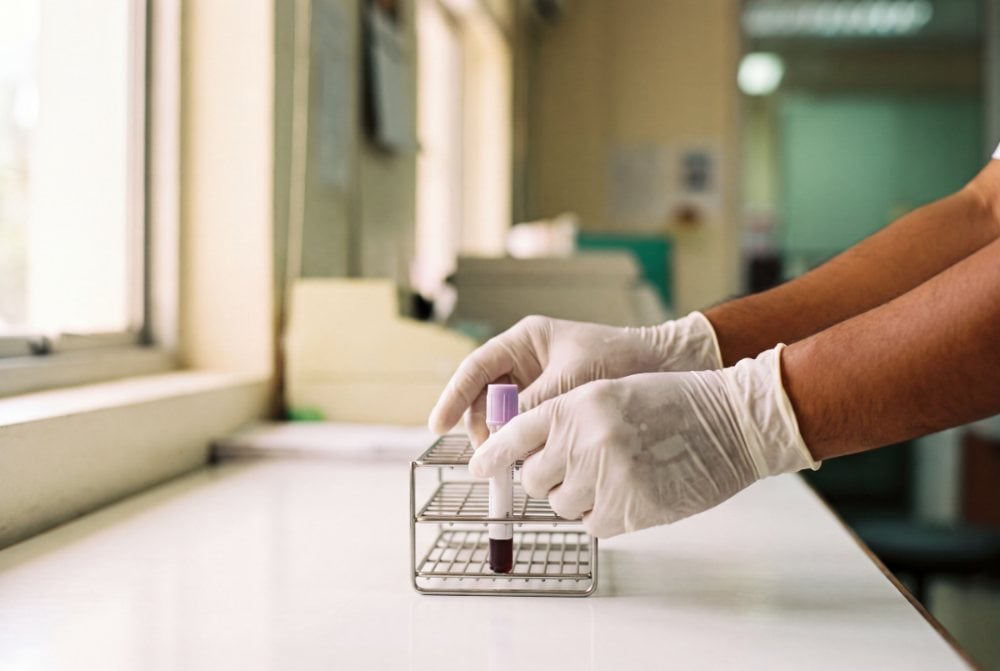
- Blood drawA standard blood draw at the lab.
- Preparation
- Fasting preferredFast 8 to 12 hours. Water is fine.
- Results
- 1 to 2 daysTypical turnaround after your visit.
- Where
- 2,000+ lab locationsNationwide, with nothing due at the lab.
About this test
The comprehensive metabolic panel includes glucose, electrolytes, calcium, kidney markers with an estimated filtration rate, and a liver set: albumin, total protein, bilirubin, ALT, AST, and alkaline phosphatase. It is a common part of routine blood work. Fasting for 8 to 12 hours is preferred.
For adults 18 and older. Test availability varies by lab location.

Who should take this test?
This panel is for adults who want a routine look at blood sugar, kidney and liver markers, and electrolytes, or whose healthcare provider checks these with certain medicines.
Ask about this test
Not sure this is the right test?
AI-generated. For information only, not medical advice. Call 911 for an emergency.
What does this test measure?
Your results show how your blood sugar, kidney and liver markers, electrolytes, and proteins compare with the lab’s reference ranges, read together to look for patterns.
- Glucose
- Glucose is the sugar your body uses as its main source of energy. The level in your blood at the moment of the draw rises after eating and falls between meals, so a fasting sample is the usual way to read it. It is commonly checked when blood sugar or diabetes is a question.
- Why it’s measured: To see your blood sugar at the time of the draw, ideally after fasting.
- Blood urea nitrogen (BUN)
- Urea is a waste product your liver makes when it breaks down protein, and your kidneys clear it into urine. BUN measures the urea nitrogen in your blood. It can shift with hydration, the protein in your diet, and how well the kidneys are filtering, so it is read with creatinine.
- Why it’s measured: To help gauge kidney filtering and hydration, read alongside creatinine.
- Creatinine
- Creatinine is a waste product made at a fairly steady rate by your muscles and removed by your kidneys. Because the kidneys clear it, the level in your blood helps show how well they are filtering. Muscle mass, age, and sex affect the usual level, so it is read in context.
- Why it’s measured: A common measure of kidney filtering, and the basis for eGFR.
- Estimated glomerular filtration rate (eGFR)
- eGFR is not measured directly. The lab calculates it from your creatinine result along with your age and sex to estimate how much blood your kidneys filter each minute. It gives a clearer view of kidney function than creatinine alone, and a provider reads it over time.
- Why it’s measured: To estimate kidney filtering from your creatinine, age, and sex.
- BUN/creatinine ratio
- This ratio compares your BUN result with your creatinine result. The lab calculates it from the two numbers rather than measuring it separately. A provider may look at it to help sort out whether a change in kidney numbers relates to hydration, diet, or kidney function.
- Why it’s measured: Adds context when BUN or creatinine is outside the reference range.
- Sodium
- Sodium is an electrolyte that helps control the balance of water in and around your cells and supports nerve and muscle function. Blood sodium reflects your fluid balance as much as the salt you eat, and it can shift with hydration, some medicines, and conditions that affect the kidneys or hormones.
- Why it’s measured: A core electrolyte for checking fluid and electrolyte balance.
- Potassium
- Potassium is an electrolyte that your nerves and muscles, including your heart, need to work properly. Your kidneys keep the level in a narrow range. It can be affected by kidney function, some medicines such as diuretics, and how the sample is handled, so it is read with other results.
- Why it’s measured: Muscles and the heart depend on potassium staying in a narrow range.
- Chloride
- Chloride is an electrolyte that works with sodium to keep fluids and electrical charges in balance in your body. It usually moves in step with sodium. It is rarely read on its own and is most useful alongside sodium, potassium, and carbon dioxide in an electrolyte or metabolic panel.
- Why it’s measured: Read with sodium and CO2 to check fluid and acid-base balance.
- Carbon dioxide (CO2, bicarbonate)
- This result mostly reflects bicarbonate, a form of carbon dioxide that helps keep your blood from becoming too acidic or too alkaline. Your lungs and kidneys work together to hold it steady. It is read with the other electrolytes to look at your body’s acid-base balance.
- Why it’s measured: A window on acid-base balance, read with the other electrolytes.
- Calcium
- Calcium is a mineral your bones, muscles, nerves, and heart all rely on. Hormones, including parathyroid hormone and vitamin D, keep the level in your blood tightly controlled. Because part of blood calcium travels attached to albumin, a provider often reads it alongside your albumin result.
- Why it’s measured: To check a mineral that bones, nerves, and muscles all depend on.
- Total protein
- Total protein measures the two main groups of protein in your blood: albumin and globulins. These proteins carry substances through the body, help keep fluid inside blood vessels, and support the immune system. The total can shift with liver or kidney function, hydration, and inflammation.
- Why it’s measured: A broad look at blood proteins made by the liver and immune system.
- Albumin
- Albumin is the main protein your liver makes. It helps keep fluid inside your blood vessels and carries hormones, vitamins, medicines, and minerals such as calcium through your blood. Levels can change with liver or kidney conditions, hydration, and longer-term illness.
- Why it’s measured: Reflects liver protein production and fluid balance in the blood.
- Globulin (calculated)
- Globulins are a group of blood proteins that includes many of the antibodies your immune system makes, along with proteins that carry other substances. The lab calculates globulin by subtracting albumin from total protein, rather than measuring it on its own.
- Why it’s measured: Adds context on the proteins in your blood other than albumin, including many antibodies.
- Albumin/globulin (A/G) ratio
- The A/G ratio compares your albumin result with your globulin result. The lab calculates it from the other two numbers. It does not point to a specific condition, but a provider may use it alongside your other protein and liver results to decide whether anything needs a closer look.
- Why it’s measured: A calculated comparison that adds context to your protein results.
- Bilirubin, total
- Bilirubin is a yellow substance made when old red blood cells break down. Your liver processes it and sends it out in bile. Total bilirubin includes both the processed and unprocessed forms. A higher level can relate to the liver, the bile ducts, or faster breakdown of red blood cells.
- Why it’s measured: Reflects how bilirubin from old red blood cells is made and cleared.
- Alkaline phosphatase (ALP)
- ALP is an enzyme found mainly in your liver and bones, with smaller amounts in other tissues. A higher level can relate to the liver or bile ducts, or to bone growth or bone conditions. Because it comes from more than one place, it is usually read alongside GGT and other liver results.
- Why it’s measured: An enzyme that can reflect stress on the liver, bile ducts, or bones.
- Aspartate aminotransferase (AST)
- AST is an enzyme found in your liver and also in your heart, muscles, and other tissues. When these cells are injured, AST leaks into the blood. Hard exercise, muscle strain, and some medicines can raise it, so it is read together with ALT and your other results.
- Why it’s measured: An enzyme that rises when liver or muscle cells are under stress.
- Alanine aminotransferase (ALT)
- ALT is an enzyme found mostly in your liver. When liver cells are inflamed or injured, more ALT moves into the blood, so it is one of the more liver-specific enzymes. Alcohol, some medicines, and fat in the liver can raise it, and a provider reads it with AST and other results.
- Why it’s measured: One of the more liver-specific enzymes on a routine panel, read alongside AST.
How it works

- Step 1
Order online
Check out here. A licensed clinician in your state reviews your order and sends it to the lab.
- Step 2
Visit a lab
Bring a photo ID to any of 2,000+ lab locations. Fast 8 to 12 hours. Water is fine. Nothing is due at the lab.
- Step 3
Get your results
Results post to your account, usually in 1 to 2 days, each number next to the lab’s reference range.
Find a lab near you
Choose from 2,000+ lab locations nationwide. Your order works at any of them.
What your results tell you
Each marker is reported with its own value and unit and compared with the lab’s reference range for that marker.
- Each marker next to the lab’s reference range
- Explained in plain language
- A licensed clinician reviews your order and, if appropriate, orders the test.
- A lab report you can download and share
An out-of-range result, such as potassium or sodium, can need prompt follow-up with a healthcare provider, who reads the full set together.
Clinical-grade testing, from the comfort of home.
From the lab to your report, every step of our process meets the gold standard in medical testing.
CLIA-certified labs
Every lab we partner with is certified under the Clinical Laboratory Improvement Amendments, meeting both state and federal standards with regular independent inspections.
We protect your health data
We protect your health data with encryption and do not sell it. Some results must be reported to public health authorities by law. See our Privacy Notice.
Rigorous quality assurance
All partner labs run regular internal quality checks, participate in proficiency testing, and comply with federal and state lab regulations.
Clinician-reviewed reports
Results are reviewed by an independent, licensed clinician.
Related tests
 In person
Basic Metabolic Panel (BMP)
The core set without the liver and protein markers.
Loading price- In person
Metabolic & GLP-1 Monitoring Panel
The CMP with A1c, insulin, and cholesterol in one visit.
Loading price
Questions
Common questions.
Anything else, our care team answers by phone, text, or email.
It includes glucose; the electrolytes sodium, potassium, chloride, and carbon dioxide; calcium; the kidney markers BUN and creatinine, with eGFR and the BUN to creatinine ratio; and albumin, total protein, globulin, bilirubin, alkaline phosphatase, ALT, and AST, which relate to the liver and blood proteins.
Fasting for 8 to 12 hours is preferred. Glucose rises after you eat, so fasting makes that number easier to read and to compare over time. Water is fine. If you add other tests to the same visit, follow the preparation shown for each one.
If you take insulin or other diabetes medicines, ask your prescriber how to fast safely before your visit.
Both include glucose, electrolytes, calcium, and kidney markers. The CMP adds albumin, total protein, and the liver markers ALT, AST, alkaline phosphatase, and bilirubin, so it gives a view of the liver and blood proteins in the same draw.
A CMP does not include cholesterol, a blood count, thyroid, A1c, or vitamin levels. It is also a snapshot: hydration, a recent meal, hard exercise, or a medicine can shift some markers. A result outside the range is a reason to talk with a healthcare provider, not a diagnosis on its own.
Lab tests are informational and don’t diagnose conditions on their own. Available to adults 18 and older; test availability varies by lab location. A licensed clinician reviews your order and, if appropriate, orders the test. All testing is performed at CLIA-certified laboratories. Not for emergencies: if you think you may be having a medical emergency, call 911.