
Complete Health Panel (Women's)
A broad set of blood and urine labs with hormones and AMH, one visit.
- 2,000+ lab locations. Find one near you
- Nothing due at the lab. FSA / HSA accepted
- Ordered by a licensed clinician
At a glance
- Collection
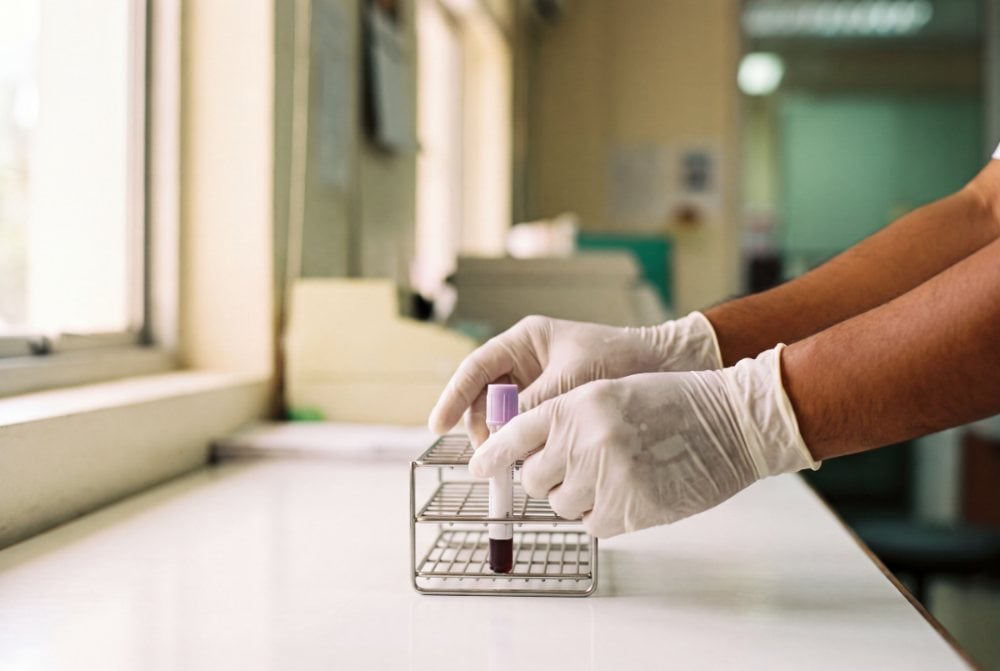
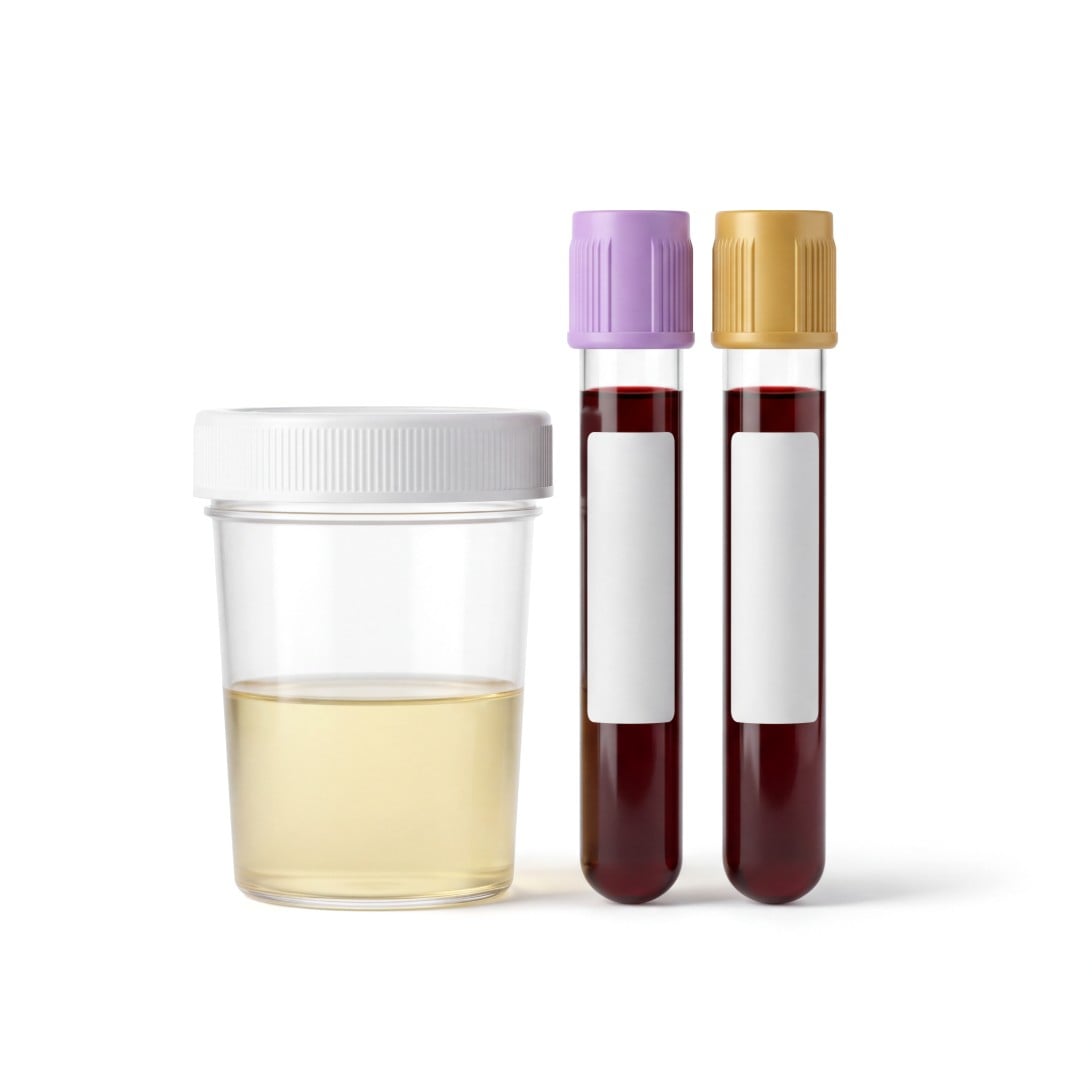
- Blood draw + urine sampleBlood draw plus a urine sample.
- Preparation
- Morning, fasting preferredDraw before 10 a.m. Fast 9 to 12 hours; water is fine.
- Results
- 3 to 5 daysTypical turnaround after your visit.
- Where
- 2,000+ lab locationsNationwide, with nothing due at the lab.
About this test
One visit covers a blood count, metabolic and liver chemistry, a lipid panel with LDL and Lp(a), thyroid hormones with antibodies, iron, A1c and insulin, vitamins and minerals, a urinalysis, and hormones including estradiol, estrone, FSH, LH, and AMH. Fast 9 to 12 hours; come before 10 a.m.
For adults 18 and older. Test availability varies by lab location.

Who should take this test?
For women who want a broad baseline of blood and urine labs, including reproductive hormones, in one visit, often before a wellness visit or to compare over time.
Ask about this test
Not sure this is the right test?
AI-generated. For information only, not medical advice. Call 911 for an emergency.
What does this test measure?
Read together, these results give you and a healthcare provider a broad baseline across blood, organ function, heart-related markers, thyroid, hormones, and nutrients over time.
- Gamma-glutamyl transferase (GGT)
- GGT is an enzyme found mainly in your liver and bile ducts. It can rise with many kinds of liver or bile duct stress, including the effects of alcohol and some medicines. Because GGT stays steady in bone conditions, it can help a provider tell whether a raised ALP comes from the liver.
- Why it’s measured: Helps show whether a raised ALP is coming from the liver or bile ducts rather than bone.
- Glucose
- Glucose is the sugar your body uses as its main source of energy. The level in your blood at the moment of the draw rises after eating and falls between meals, so a fasting sample is the usual way to read it. It is commonly checked when blood sugar or diabetes is a question.
- Why it’s measured: To see your blood sugar at the time of the draw, ideally after fasting.
- Blood urea nitrogen (BUN)
- Urea is a waste product your liver makes when it breaks down protein, and your kidneys clear it into urine. BUN measures the urea nitrogen in your blood. It can shift with hydration, the protein in your diet, and how well the kidneys are filtering, so it is read with creatinine.
- Why it’s measured: To help gauge kidney filtering and hydration, read alongside creatinine.
- Creatinine
- Creatinine is a waste product made at a fairly steady rate by your muscles and removed by your kidneys. Because the kidneys clear it, the level in your blood helps show how well they are filtering. Muscle mass, age, and sex affect the usual level, so it is read in context.
- Why it’s measured: A common measure of kidney filtering, and the basis for eGFR.
- Estimated glomerular filtration rate (eGFR)
- eGFR is not measured directly. The lab calculates it from your creatinine result along with your age and sex to estimate how much blood your kidneys filter each minute. It gives a clearer view of kidney function than creatinine alone, and a provider reads it over time.
- Why it’s measured: To estimate kidney filtering from your creatinine, age, and sex.
- BUN/creatinine ratio
- This ratio compares your BUN result with your creatinine result. The lab calculates it from the two numbers rather than measuring it separately. A provider may look at it to help sort out whether a change in kidney numbers relates to hydration, diet, or kidney function.
- Why it’s measured: Adds context when BUN or creatinine is outside the reference range.
- Sodium
- Sodium is an electrolyte that helps control the balance of water in and around your cells and supports nerve and muscle function. Blood sodium reflects your fluid balance as much as the salt you eat, and it can shift with hydration, some medicines, and conditions that affect the kidneys or hormones.
- Why it’s measured: A core electrolyte for checking fluid and electrolyte balance.
- Potassium
- Potassium is an electrolyte that your nerves and muscles, including your heart, need to work properly. Your kidneys keep the level in a narrow range. It can be affected by kidney function, some medicines such as diuretics, and how the sample is handled, so it is read with other results.
- Why it’s measured: Muscles and the heart depend on potassium staying in a narrow range.
- Chloride
- Chloride is an electrolyte that works with sodium to keep fluids and electrical charges in balance in your body. It usually moves in step with sodium. It is rarely read on its own and is most useful alongside sodium, potassium, and carbon dioxide in an electrolyte or metabolic panel.
- Why it’s measured: Read with sodium and CO2 to check fluid and acid-base balance.
- Carbon dioxide (CO2, bicarbonate)
- This result mostly reflects bicarbonate, a form of carbon dioxide that helps keep your blood from becoming too acidic or too alkaline. Your lungs and kidneys work together to hold it steady. It is read with the other electrolytes to look at your body’s acid-base balance.
- Why it’s measured: A window on acid-base balance, read with the other electrolytes.
- Calcium
- Calcium is a mineral your bones, muscles, nerves, and heart all rely on. Hormones, including parathyroid hormone and vitamin D, keep the level in your blood tightly controlled. Because part of blood calcium travels attached to albumin, a provider often reads it alongside your albumin result.
- Why it’s measured: To check a mineral that bones, nerves, and muscles all depend on.
- Total protein
- Total protein measures the two main groups of protein in your blood: albumin and globulins. These proteins carry substances through the body, help keep fluid inside blood vessels, and support the immune system. The total can shift with liver or kidney function, hydration, and inflammation.
- Why it’s measured: A broad look at blood proteins made by the liver and immune system.
- Albumin
- Albumin is the main protein your liver makes. It helps keep fluid inside your blood vessels and carries hormones, vitamins, medicines, and minerals such as calcium through your blood. Levels can change with liver or kidney conditions, hydration, and longer-term illness.
- Why it’s measured: Reflects liver protein production and fluid balance in the blood.
- Globulin (calculated)
- Globulins are a group of blood proteins that includes many of the antibodies your immune system makes, along with proteins that carry other substances. The lab calculates globulin by subtracting albumin from total protein, rather than measuring it on its own.
- Why it’s measured: Adds context on the proteins in your blood other than albumin, including many antibodies.
- Albumin/globulin (A/G) ratio
- The A/G ratio compares your albumin result with your globulin result. The lab calculates it from the other two numbers. It does not point to a specific condition, but a provider may use it alongside your other protein and liver results to decide whether anything needs a closer look.
- Why it’s measured: A calculated comparison that adds context to your protein results.
- Bilirubin, total
- Bilirubin is a yellow substance made when old red blood cells break down. Your liver processes it and sends it out in bile. Total bilirubin includes both the processed and unprocessed forms. A higher level can relate to the liver, the bile ducts, or faster breakdown of red blood cells.
- Why it’s measured: Reflects how bilirubin from old red blood cells is made and cleared.
- Alkaline phosphatase (ALP)
- ALP is an enzyme found mainly in your liver and bones, with smaller amounts in other tissues. A higher level can relate to the liver or bile ducts, or to bone growth or bone conditions. Because it comes from more than one place, it is usually read alongside GGT and other liver results.
- Why it’s measured: An enzyme that can reflect stress on the liver, bile ducts, or bones.
- Aspartate aminotransferase (AST)
- AST is an enzyme found in your liver and also in your heart, muscles, and other tissues. When these cells are injured, AST leaks into the blood. Hard exercise, muscle strain, and some medicines can raise it, so it is read together with ALT and your other results.
- Why it’s measured: An enzyme that rises when liver or muscle cells are under stress.
- Alanine aminotransferase (ALT)
- ALT is an enzyme found mostly in your liver. When liver cells are inflamed or injured, more ALT moves into the blood, so it is one of the more liver-specific enzymes. Alcohol, some medicines, and fat in the liver can raise it, and a provider reads it with AST and other results.
- Why it’s measured: One of the more liver-specific enzymes on a routine panel, read alongside AST.
- White blood cell count (WBC)
- White blood cells are part of your immune system and help your body fight infection. This count shows how many are in a sample of your blood. It can rise with infection, inflammation, stress, or some medicines, and fall with some infections, medicines, or bone marrow conditions.
- Why it’s measured: A general look at the immune cells that help your body fight infection.
- Red blood cell count (RBC)
- Red blood cells carry oxygen from your lungs to the rest of your body. This count shows how many are in a sample of your blood. It is read with hemoglobin and hematocrit, and it can be affected by iron, B12, and folate levels, blood loss, hydration, and where you live.
- Why it’s measured: Counts the cells that carry oxygen, read together with hemoglobin and hematocrit.
- Hemoglobin
- Hemoglobin is the iron-containing protein inside red blood cells that carries oxygen. It is the main number used to check for anemia. Low iron, B12, or folate, blood loss, and some long-term conditions can lower it, while dehydration, smoking, and high altitude can raise it.
- Why it’s measured: The main number used to check for anemia, read with the rest of the blood count.
- Hematocrit
- Hematocrit is the share of your blood volume made up of red blood cells. It usually moves in step with hemoglobin. Hydration affects it: being dehydrated can raise it, and extra fluid can lower it. It is read with hemoglobin and the red blood cell count.
- Why it’s measured: Shows the share of your blood made up of red blood cells, read with hemoglobin.
- Mean corpuscular volume (MCV)
- MCV is the average size of your red blood cells. Smaller-than-usual cells are often seen with low iron, and larger-than-usual cells can relate to low B12 or folate, alcohol, thyroid or liver conditions, or some medicines. It helps a provider narrow down the type of anemia if one is present.
- Why it’s measured: Average red cell size, which helps sort out types of anemia.
- Mean corpuscular hemoglobin (MCH)
- MCH is the average amount of hemoglobin inside each red blood cell. It is calculated from your hemoglobin and red blood cell count and tends to follow MCV: smaller cells usually carry less hemoglobin. It is one of the red cell indices a provider reads together.
- Why it’s measured: Average hemoglobin per red cell, read with the other indices.
- Mean corpuscular hemoglobin concentration (MCHC)
- MCHC is the average concentration of hemoglobin inside your red blood cells, calculated from your hemoglobin and hematocrit. It shows how densely packed the cells are with hemoglobin. Like the other red cell indices, it adds detail when a provider reviews your blood count.
- Why it’s measured: Shows how concentrated hemoglobin is inside your red cells, one of the red cell indices.
- Red cell distribution width (RDW)
- RDW shows how much your red blood cells vary in size. A higher value means a wider mix of small and large cells, which can happen when new cells are being made during a change in iron, B12, or folate levels. It is read with MCV and the rest of the blood count.
- Why it’s measured: Shows how much your red cells vary in size, which can help sort out types of anemia.
- Platelet count
- Platelets are small cell fragments that help your blood clot and stop bleeding. This count shows how many are in your blood. It can rise with inflammation, low iron, or after an infection, and fall with some medicines, infections, or conditions that affect the bone marrow or spleen.
- Why it’s measured: Counts the cell fragments that help your blood clot and stop bleeding.
- Mean platelet volume (MPV)
- MPV is the average size of your platelets. Newer platelets tend to be larger. On its own it says little, but a provider may read it alongside your platelet count to add context on how platelets are being made or used up.
- Why it’s measured: Average platelet size, which a provider reads alongside your platelet count.
- Neutrophils
- Neutrophils are the most plentiful type of white blood cell and are often first to respond to bacterial infection and inflammation. The lab reports them as a percentage of your white cells and as an absolute count. Infection, stress, steroids, and exercise can raise them.
- Why it’s measured: The white cells that often respond first to bacterial infection.
- Lymphocytes
- Lymphocytes are white blood cells that include B cells, which make antibodies, and T cells, which help direct the immune response. They often respond to viral infections. The lab reports them as a percentage and an absolute count, read with your other white cell results.
- Why it’s measured: White cells that make antibodies and help direct the immune response.
- Monocytes
- Monocytes are white blood cells that move into tissues, where they help clear away germs and damaged cells. The lab reports them as a percentage and an absolute count. They can rise during recovery from infection and with some longer-term inflammatory conditions.
- Why it’s measured: White cells that help clear germs and damaged cells from tissues.
- Eosinophils
- Eosinophils are white blood cells involved in allergic reactions and in fighting some parasites. The lab reports them as a percentage and an absolute count. They can rise with allergies, asthma, eczema, some medicines, and some infections, and a provider reads them in context.
- Why it’s measured: White cells involved in allergic reactions and some infections.
- Basophils
- Basophils are the least common type of white blood cell. They release substances such as histamine during allergic and inflammatory reactions. The lab reports them as a percentage and an absolute count, and they are read as part of the full white cell differential.
- Why it’s measured: The least common white cells, which take part in allergic and inflammatory reactions.
- Thyroid peroxidase (TPO) antibodies
- TPO is an enzyme your thyroid uses to make hormone. TPO antibodies are made when the immune system targets the thyroid. They are often found in autoimmune thyroid conditions, but some people have them without thyroid problems, so a positive result is read with TSH and thyroid hormones.
- Why it’s measured: Antibodies often found in autoimmune thyroid conditions, read with TSH and thyroid hormones.
- Thyroglobulin antibodies
- Thyroglobulin is a protein the thyroid uses to store and make hormone. Antibodies against it can appear in autoimmune thyroid conditions, sometimes when TPO antibodies do not. Like TPO antibodies, a positive result is not a diagnosis on its own and is read with your other thyroid results.
- Why it’s measured: A second thyroid antibody that can appear in autoimmune conditions.
- Thyroid-stimulating hormone (TSH)
- TSH is made by the pituitary gland at the base of your brain and tells your thyroid how much hormone to make. It usually moves in the opposite direction from thyroid hormone: TSH tends to rise when the thyroid is underactive and fall when it is overactive. It is the usual first thyroid check.
- Why it’s measured: Shows how strongly your pituitary gland is signaling your thyroid to work.
- Free thyroxine (free T4)
- Thyroxine (T4) is the main hormone your thyroid makes. Most of it travels bound to proteins in the blood; free T4 is the small unbound portion available to your tissues. It is read with TSH to help show whether the thyroid is making too little or too much hormone.
- Why it’s measured: The unbound portion of the main thyroid hormone, read with TSH.
- Free triiodothyronine (free T3)
- T3 is a thyroid hormone made by the thyroid and from T4 in other tissues. Free T3 is the small portion that is not bound to proteins. It is mainly used, together with TSH and free T4, when an overactive thyroid is a question, and it can shift during illness.
- Why it’s measured: Adds detail mainly when an overactive thyroid is a question.
- Iron
- This measures the iron circulating in your blood, most of it carried by a protein called transferrin. Iron is needed to make hemoglobin. The level varies through the day and after meals or supplements, which is why a morning, fasting sample is preferred and why it is read with TIBC and ferritin.
- Why it’s measured: Iron in your blood right now, usually checked in the morning after fasting.
- Total iron-binding capacity (TIBC)
- TIBC measures how much iron your blood could carry if all the binding sites on transferrin were filled. When iron stores run low, the body tends to make more transferrin, so TIBC often rises. It helps a provider tell iron deficiency from other causes of a low iron result.
- Why it’s measured: Shows how much iron your blood could carry, which helps a provider interpret low iron.
- Transferrin saturation (calculated)
- Transferrin saturation is the percentage of iron-binding sites in your blood that are filled with iron. The lab calculates it from your iron and TIBC results. Together with ferritin, it helps a provider look at whether iron is low or whether too much iron may be building up.
- Why it’s measured: The share of iron-carrying capacity in use, from iron and TIBC.
- Ferritin
- Ferritin is the protein that stores iron in your body, so the level in your blood reflects your iron reserves. A low level points to depleted stores. Ferritin also rises with inflammation, infection, and liver stress, so a higher level is read in context with iron and TIBC.
- Why it’s measured: Reflects your stored iron, often checked with a blood count.
- Total cholesterol
- Cholesterol is a waxy fat your body uses to build cells and make hormones. It travels in your blood inside particles called lipoproteins. Total cholesterol adds up the cholesterol carried in all of them, including HDL. It is read with HDL and triglycerides as part of heart-risk conversations.
- Why it’s measured: A starting point for heart-risk conversations, read with HDL and triglycerides.
- HDL cholesterol
- HDL is a lipoprotein that carries cholesterol away from your arteries and back to your liver for processing. Higher HDL has generally been linked to lower heart risk, though it is read as part of the full set of results. Exercise, smoking, weight, and diabetes can all affect it.
- Why it’s measured: The cholesterol carrier linked to moving cholesterol out of arteries.
- Triglycerides
- Triglycerides are the most common type of fat in your blood. Your body stores extra calories as triglycerides and uses them for energy between meals. The level rises after eating, so a fasting sample is the usual way to read it. It is checked alongside cholesterol in heart-risk conversations.
- Why it’s measured: A blood fat read with cholesterol, usually measured after fasting.
- LDL cholesterol (calculated)
- LDL is the lipoprotein that carries most of the cholesterol in your blood to your tissues. Higher LDL has been linked to plaque building up in the arteries. In a standard lipid panel, the lab calculates LDL from your total cholesterol, HDL, and triglyceride results rather than measuring it directly.
- Why it’s measured: The cholesterol carrier most closely tied to plaque in arteries.
- Non-HDL cholesterol (calculated)
- Non-HDL cholesterol is your total cholesterol minus your HDL. It adds up the cholesterol carried in LDL, VLDL, and other particles that can contribute to plaque. The lab calculates it from your other lipid results, and it does not depend on fasting the way calculated LDL can.
- Why it’s measured: Adds up the cholesterol in particles that can contribute to plaque.
- Cholesterol/HDL ratio (calculated)
- This ratio divides your total cholesterol by your HDL. The lab calculates it from the two results. Some providers use it as one more way to look at the balance between cholesterol that can build up in arteries and cholesterol being carried away.
- Why it’s measured: Another way to view the balance of your cholesterol results.
- Testosterone, total
- Testosterone is a hormone made mainly by the testes, and in smaller amounts by the ovaries and adrenal glands. Total testosterone measures both the bound and free forms. Levels are highest in the morning and can vary day to day, so an out-of-range result is often repeated before conclusions are drawn.
- Why it’s measured: The total amount of testosterone, usually drawn in the morning.
- Color and appearance
- The lab records the color and clarity of your urine. Color mostly reflects how concentrated it is, and it can also change with foods, vitamins, and medicines. Cloudiness can come from cells, crystals, or bacteria, so it is read with the other urinalysis results.
- Why it’s measured: A first look at how concentrated and how clear your urine sample is.
- Specific gravity
- Specific gravity measures how concentrated your urine is compared with water. It reflects how much you have been drinking and how well your kidneys concentrate urine. A provider reads it with your other results, since concentrated urine can make other values look higher.
- Why it’s measured: Shows how concentrated your urine is, which affects how other results are read.
- pH
- Urine pH shows how acidic or alkaline your urine is. It varies with diet, some medicines, and how your body is balancing acids. On its own it says little, but it can add context for kidney stones or a urinary infection when read with your other results.
- Why it’s measured: Shows how acidic or alkaline your urine is, which adds context to other results.
- Protein
- Healthy kidneys keep most protein in the blood, so urine usually has little or none. Protein in urine can appear for a short time with exercise, fever, or dehydration, and can also relate to kidney stress. A positive result is often rechecked before it is interpreted.
- Why it’s measured: Protein in urine can be a kidney signal, and a positive result is often rechecked.
- Glucose
- Glucose usually stays in the blood, and urine has little or none. Sugar can spill into urine when blood sugar runs high, and some medicines for diabetes, heart, or kidney conditions cause it on purpose. A positive result is read with a blood glucose or A1c result and your medicines.
- Why it’s measured: Sugar in urine is read together with a blood glucose or A1c result.
- Ketones
- Ketones are made when your body burns fat for energy instead of sugar. They can appear in urine with fasting, low-carbohydrate eating, intense exercise, or vomiting, and with high blood sugar in diabetes. A provider reads the result with your circumstances.
- Why it’s measured: Shows whether your body has been burning fat for energy instead of sugar.
- Bilirubin
- Bilirubin is a yellow substance made when old red blood cells break down, processed by the liver. It does not usually appear in urine. Finding it can relate to the liver or bile ducts, so a positive result is read with blood liver tests.
- Why it’s measured: Bilirubin in urine can relate to the liver and is read with blood liver tests.
- Blood (occult)
- This checks for red blood cells or hemoglobin in urine that may not be visible. It can be positive with menstrual blood in the sample, hard exercise, infection, or kidney stones, and for other reasons that a provider may want to look into. The microscopic exam adds detail.
- Why it’s measured: Checks for blood in urine that you may not be able to see with your eyes.
- Nitrite
- Some bacteria that cause urinary infections turn nitrate in urine into nitrite. A positive nitrite result can point to a bacterial urinary infection. A negative result does not exclude one, since not all bacteria make nitrite and urine needs time in the bladder.
- Why it’s measured: A positive result can point to a bacterial urinary infection, read with other results.
- Leukocyte esterase
- Leukocyte esterase is an enzyme released by white blood cells. Finding it in urine suggests white cells are present, which can happen with a urinary infection or inflammation. It is read with the nitrite result and the microscopic exam.
- Why it’s measured: Suggests white blood cells are in your urine, read with nitrite and the microscopic exam.
- Microscopic exam: white cells, red cells, epithelial cells
- Under the microscope, the lab counts white blood cells, red blood cells, and cells shed from the lining of the urinary tract. Higher counts can relate to infection, inflammation, or other changes. Skin cells in the sample can also show that it picked up contamination.
- Why it’s measured: Counts white cells, red cells, and lining cells in your urine under the microscope.
- Microscopic exam: casts and crystals
- Casts are tiny tube-shaped particles formed in the kidneys, and crystals form from minerals in urine. Some are common and harmless; others can relate to kidney conditions or a tendency to form stones. The lab reports what it sees for a provider to interpret.
- Why it’s measured: Looks for particles formed in the kidneys and mineral crystals.
- Microscopic exam: bacteria and yeast
- The lab reports any bacteria or yeast seen under the microscope. They can point to an infection, but they can also come from skin contamination during collection, which is why a clean-catch, midstream sample matters. A urine culture can identify the organism.
- Why it’s measured: Shows whether bacteria or yeast are visible, which a culture can then identify.
- Cortisol, total
- Cortisol is a hormone made by the adrenal glands that helps regulate blood sugar, blood pressure, and the body’s response to stress. It follows a daily rhythm and is usually highest in the morning, so the time of the draw affects how the result is read.
- Why it’s measured: An adrenal hormone with a daily rhythm, read with the draw time.
- DHEA sulfate (DHEA-S)
- DHEA-S is a hormone made mainly by the adrenal glands, and the body can convert it into testosterone and estrogen. It is the main androgen the adrenal glands make. Levels peak in early adulthood and decline with age. It is often read with other hormones when androgen levels are a question.
- Why it’s measured: The main androgen made by the adrenal glands, often read with other hormones.
- Glycated hemoglobin (HbA1c)
- Hemoglobin is the protein in red blood cells that carries oxygen. As sugar circulates in your blood, some of it attaches to hemoglobin and stays for the life of the cell, about three months. HbA1c is the percentage of hemoglobin with sugar attached, reflecting your average blood sugar over that time.
- Why it’s measured: To see your average blood sugar over roughly the past three months.
- High-sensitivity C-reactive protein (hs-CRP)
- C-reactive protein is made by the liver in response to inflammation, infection, or injury. The high-sensitivity test measures the low levels used in heart-risk conversations. A recent cold, injury, or flare of another condition can raise it, so it is usually read when you are well.
- Why it’s measured: Measures low-level inflammation used in heart-risk conversations.
- Homocysteine
- Homocysteine is an amino acid your body makes while processing protein. Vitamins B12, B6, and folate help break it down. A higher level has been associated with heart risk and can also relate to low B12 or folate, kidney function, and some medicines, so it is read in context.
- Why it’s measured: Linked to heart risk, and it can also reflect your B12 and folate status.
- Insulin (fasting)
- Insulin is a hormone made by the pancreas that helps move sugar from your blood into your cells. A fasting insulin level shows how much insulin your body is making to keep blood sugar in range. Read with fasting glucose, it can add context when insulin resistance is a question.
- Why it’s measured: Adds context on insulin resistance when read with fasting glucose.
- Lipoprotein(a), Lp(a)
- Lp(a) is a type of lipoprotein similar to LDL with an extra protein attached. Your level is largely set by your genes and tends to stay fairly stable through life. Higher Lp(a) has been associated with increased heart risk, so it is sometimes checked when there is a family history.
- Why it’s measured: A largely inherited lipoprotein linked to heart risk, often checked once with family history.
- Magnesium
- Magnesium is a mineral involved in muscle and nerve function, heart rhythm, and many of your body’s chemical reactions. Most of it is stored in bone and cells, so the blood level is only a small part of your total. It can be affected by diet, absorption, kidney function, and some medicines.
- Why it’s measured: To check a mineral involved in muscle, nerve, and heart function.
- Uric acid
- Uric acid forms when your body breaks down purines, substances found in your cells and in some foods and drinks. Most of it leaves through your kidneys. Levels can rise with kidney changes, diet, alcohol, and some medicines, and the result is often checked when gout or kidney stones are a question.
- Why it’s measured: Often checked when gout, kidney stones, or kidney changes are a question.
- 25-hydroxyvitamin D
- 25-hydroxyvitamin D is the main form of vitamin D circulating in your blood and the usual way vitamin D levels are measured. Your skin makes vitamin D in sunlight, and it also comes from some foods and supplements. It helps your body absorb calcium and keep bones healthy.
- Why it’s measured: A common way to check your vitamin D level, which supports calcium and bone health.
- Zinc
- Zinc is a trace mineral your body uses in many enzymes, including those involved in wound healing, immune function, and growth. Your body does not store much of it, so intake matters. Blood zinc can be affected by recent meals, inflammation, and how the sample is handled.
- Why it’s measured: To check a trace mineral involved in immune function and healing.
- Vitamin B12
- Vitamin B12 helps your body make red blood cells and keeps nerves working well. It comes from animal foods and fortified foods, and it needs a healthy stomach and gut to be absorbed. Levels can be lower with plant-based diets, some medicines, and conditions that affect absorption.
- Why it’s measured: A vitamin your body needs to make red blood cells and keep nerves healthy.
- Anti-Mullerian hormone (AMH)
- AMH is made by small follicles in the ovaries. The level reflects the number of follicles, often called ovarian reserve, and it declines with age. On its own, it does not predict whether or when someone will get pregnant, and it is read with age and other results.
- Why it’s measured: Reflects ovarian reserve; it does not predict fertility on its own.
- Estradiol, ultrasensitive (LC/MS)
- Estradiol is the main form of estrogen during the reproductive years. This version is measured by mass spectrometry, a method the lab uses when lower levels are expected, such as after menopause. Levels change across the menstrual cycle, so timing affects how the result is read.
- Why it’s measured: A more sensitive estradiol method that the lab uses when lower levels are expected.
- Estrone
- Estrone is a form of estrogen made in the ovaries and, especially after menopause, in fat and other tissues from adrenal hormones. It is generally weaker than estradiol. Measuring it alongside estradiol gives a fuller view of estrogen status, especially after menopause.
- Why it’s measured: An estrogen that makes up a larger share of the total after menopause.
- Follicle-stimulating hormone (FSH)
- FSH is made by the pituitary gland. In women it helps eggs mature in the ovaries; in men it supports sperm production. FSH changes across the menstrual cycle and tends to rise as the ovaries make less estrogen, such as around menopause, so timing and age matter when it is read.
- Why it’s measured: A pituitary hormone that changes across the cycle and around menopause.
- Luteinizing hormone (LH)
- LH is made by the pituitary gland. In women a surge of LH triggers ovulation; in men LH signals the testes to make testosterone. Levels change across the menstrual cycle, so LH is usually read with FSH and the other reproductive hormones rather than on its own.
- Why it’s measured: A pituitary hormone that triggers ovulation and testosterone production.
Liver
Metabolic
Liver
Blood count
Thyroid
Iron
Lipids & heart
Hormones
Urinalysis
Hormones
Blood sugar
Inflammation
Lipids & heart
Blood sugar
Lipids & heart
Metabolic
Vitamins & minerals
Hormones
How it works

- Step 1
Order online
Check out here. A licensed clinician in your state reviews your order and sends it to the lab.
- Step 2
Visit a lab
Bring a photo ID to any of 2,000+ lab locations. Draw before 10 a.m. Fast 9 to 12 hours; water is fine. Nothing is due at the lab.
- Step 3
Get your results
Results post to your account, usually in 3 to 5 days, each number next to the lab’s reference range.
Find a lab near you
Choose from 2,000+ lab locations nationwide. Your order works at any of them.
What your results tell you
Most markers are reported as values with units, and some urine checks as negative or positive. Ranges for some hormones depend on cycle phase.
- Each marker next to the lab’s reference range
- Explained in plain language
- A licensed clinician reviews your order and, if appropriate, orders the test.
- A lab report you can download and share
A result outside the range can sometimes need prompt follow-up, so review all of your results with a healthcare provider.
Clinical-grade testing, from the comfort of home.
From the lab to your report, every step of our process meets the gold standard in medical testing.
CLIA-certified labs
Every lab we partner with is certified under the Clinical Laboratory Improvement Amendments, meeting both state and federal standards with regular independent inspections.
We protect your health data
We protect your health data with encryption and do not sell it. Some results must be reported to public health authorities by law. See our Privacy Notice.
Rigorous quality assurance
All partner labs run regular internal quality checks, participate in proficiency testing, and comply with federal and state lab regulations.
Clinician-reviewed reports
Results are reviewed by an independent, licensed clinician.
Related tests
 In person
Comprehensive Wellness Panel (Women's)
A lighter annual set with hs-CRP and vitamin D.
Loading price At-home collection
Women's Health Test
Ten hormone and thyroid markers, collected at home.
Loading price
Questions
Common questions.
Anything else, our care team answers by phone, text, or email.
The lab requires a fasting sample for insulin, and glucose and iron read more clearly after fasting. Cortisol, testosterone, and iron change during the day, so a draw before 10 a.m. makes results easier to compare over time.
Fast 9 to 12 hours before your visit. Water is fine.
Yes. Estradiol, FSH, and LH change across the menstrual cycle, so the day you test affects how they read. Your healthcare provider can advise which cycle day makes sense for you.
Hormonal birth control and hormone therapy can also change these results, so tell your healthcare provider if you use either. Don’t stop or change any medicine or supplement without talking with your healthcare provider.
AMH is made by small follicles in the ovaries, so its level reflects ovarian reserve, roughly the supply of eggs that remain. It declines with age.
AMH is not a fertility test on its own. It cannot tell you whether or when you can get pregnant. A healthcare provider reads it with your age, cycle history, and other results.
Prednisone and prednisolone can interfere with the cortisol test used here. Fluorescein dye from some eye exams can affect certain results, which is why the prep asks you to wait 3 days after fluorescein angiography. Tell your healthcare provider about medicines you take and recent procedures.
Don’t stop or change any medicine or supplement without talking with your healthcare provider.
No. It covers many common labs, but blood and urine tests cannot check things like blood pressure or heart rhythm, or replace the screenings recommended for your age. Results in range do not mean a condition is absent. A healthcare provider can decide what else you need.
Lab tests are informational and don’t diagnose conditions on their own. Available to adults 18 and older; test availability varies by lab location. A licensed clinician reviews your order and, if appropriate, orders the test. All testing is performed at CLIA-certified laboratories. Not for emergencies: if you think you may be having a medical emergency, call 911.