
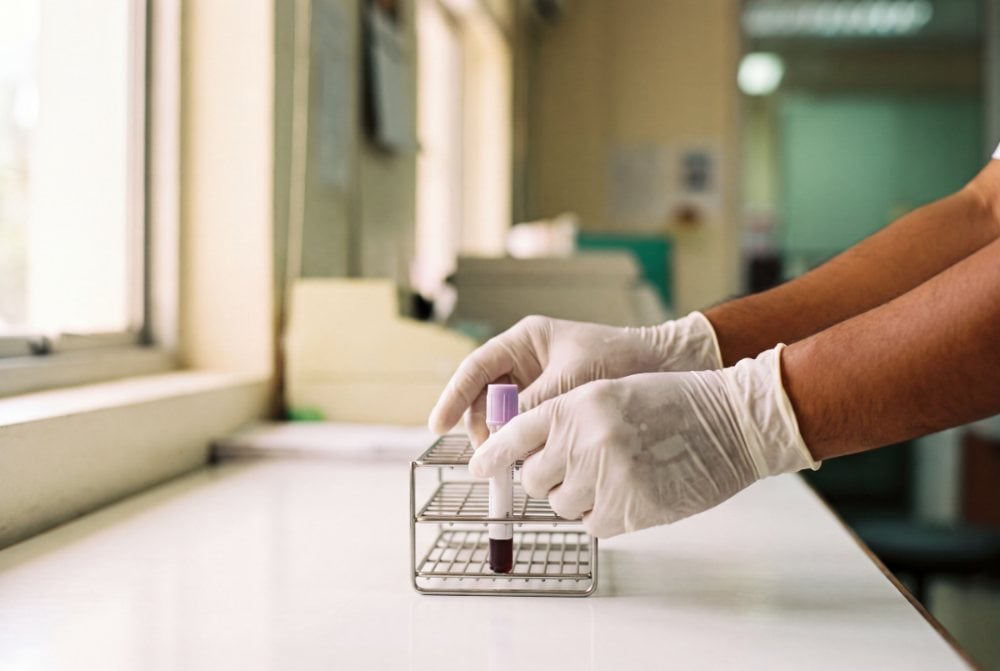
Advanced Heart Panel
Cholesterol plus particle number and size, from one blood draw.
- 2,000+ lab locations. Find one near you
- Nothing due at the lab. FSA / HSA accepted
- Ordered by a licensed clinician
At a glance
- Collection
- Blood drawA standard blood draw at the lab.
- Preparation
- Fasting preferredFast 9 to 12 hours. Water is fine.
- Results
- 2 to 4 daysTypical turnaround after your visit.
- Where
- 2,000+ lab locationsNationwide, with nothing due at the lab.
About this test
Cholesterol numbers are one part of heart risk. This panel pairs total cholesterol, HDL, triglycerides, and VLDL with ApoB, hs-CRP, homocysteine, and a test of LDL particle number and size. People often choose it with a family history of early heart disease. Fast 9 to 12 hours first.
For adults 18 and older. Test availability varies by lab location.

Who should take this test?
For adults who want a closer look at heart-related blood markers, such as those with a family history of early heart disease or who are preparing for a cardiology visit.
Ask about this test
Not sure this is the right test?
AI-generated. For information only, not medical advice. Call 911 for an emergency.
What does this test measure?
Side by side, these results show how much cholesterol and triglyceride you carry, how many particles carry it and what size they are, plus two other markers linked with heart risk.
- Total cholesterol
- Cholesterol is a waxy fat your body uses to build cells and make hormones. It travels in your blood inside particles called lipoproteins. Total cholesterol adds up the cholesterol carried in all of them, including HDL. It is read with HDL and triglycerides as part of heart-risk conversations.
- Why it’s measured: A starting point for heart-risk conversations, read with HDL and triglycerides.
- HDL cholesterol
- HDL is a lipoprotein that carries cholesterol away from your arteries and back to your liver for processing. Higher HDL has generally been linked to lower heart risk, though it is read as part of the full set of results. Exercise, smoking, weight, and diabetes can all affect it.
- Why it’s measured: The cholesterol carrier linked to moving cholesterol out of arteries.
- Triglycerides
- Triglycerides are the most common type of fat in your blood. Your body stores extra calories as triglycerides and uses them for energy between meals. The level rises after eating, so a fasting sample is the usual way to read it. It is checked alongside cholesterol in heart-risk conversations.
- Why it’s measured: A blood fat read with cholesterol, usually measured after fasting.
- VLDL cholesterol (calculated)
- VLDL is a lipoprotein that carries mostly triglycerides, along with some cholesterol, from your liver to the rest of your body. The lab calculates VLDL cholesterol from your fasting triglyceride result rather than measuring it directly, which is why fasting matters for this number.
- Why it’s measured: Estimates cholesterol carried in triglyceride-rich particles.
- Apolipoprotein B (ApoB)
- ApoB is a protein found on LDL, VLDL, and other particles that can carry cholesterol into artery walls. Each of these particles has one ApoB, so the level reflects how many of them are in your blood. In some people, ApoB is raised even when LDL cholesterol is in range.
- Why it’s measured: Reflects the number of particles that can carry cholesterol into arteries.
- High-sensitivity C-reactive protein (hs-CRP)
- C-reactive protein is made by the liver in response to inflammation, infection, or injury. The high-sensitivity test measures the low levels used in heart-risk conversations. A recent cold, injury, or flare of another condition can raise it, so it is usually read when you are well.
- Why it’s measured: Measures low-level inflammation used in heart-risk conversations.
- LDL particle number
- This measures how many LDL particles are in your blood, rather than how much cholesterol they carry. Two people with the same LDL cholesterol can have different numbers of particles. The lab measures particle number and size using a method called ion mobility.
- Why it’s measured: Counts LDL particles, which can differ from LDL cholesterol.
- LDL small
- LDL particles come in different sizes. This result reports the concentration of the smaller, denser LDL particles. Research has linked a higher share of small LDL particles with heart risk. It is one part of the particle report and is read with your other lipid results.
- Why it’s measured: Reports the smaller LDL particles, read with your other lipid results.
- LDL medium
- This result reports the concentration of medium-sized LDL particles. Together with the small LDL result and total particle number, it shows how your LDL particles are distributed by size. A provider reads it as part of the particle report rather than on its own.
- Why it’s measured: Shows part of how your LDL particles are distributed by size.
- HDL large
- HDL particles also come in different sizes. This result reports the concentration of the larger HDL particles. It adds detail to your standard HDL cholesterol result, and it is read as one part of the particle report alongside the LDL particle results.
- Why it’s measured: Adds detail on HDL particle size to your standard HDL cholesterol result.
- LDL pattern
- Based on the size of your LDL particles, the lab assigns a pattern: one where larger particles are more common, one where smaller particles are more common, or one in between. It is a summary of the size results, read with particle number and your other lipids.
- Why it’s measured: Summarizes whether larger or smaller LDL particles are more common.
- LDL peak size
- LDL peak size is the most common size of the LDL particles in your sample. It is reported in very small units and used to set your LDL pattern. On its own it adds limited information, and a provider reads it together with the rest of the particle report.
- Why it’s measured: The most common LDL particle size, used to set your LDL pattern.
- Homocysteine
- Homocysteine is an amino acid your body makes while processing protein. Vitamins B12, B6, and folate help break it down. A higher level has been associated with heart risk and can also relate to low B12 or folate, kidney function, and some medicines, so it is read in context.
- Why it’s measured: Linked to heart risk, and it can also reflect your B12 and folate status.
Lipids & heart
Inflammation
Lipids & heart
How it works

- Step 1
Order online
Check out here. A licensed clinician in your state reviews your order and sends it to the lab.
- Step 2
Visit a lab
Bring a photo ID to any of 2,000+ lab locations. Fast 9 to 12 hours. Water is fine. Nothing is due at the lab.
- Step 3
Get your results
Results post to your account, usually in 2 to 4 days, each number next to the lab’s reference range.
Find a lab near you
Choose from 2,000+ lab locations nationwide. Your order works at any of them.
What your results tell you
Most markers are reported as values with units, compared with the lab’s reference range. The particle test also reports an LDL pattern and peak size.
- Each marker next to the lab’s reference range
- Explained in plain language
- A licensed clinician reviews your order and, if appropriate, orders the test.
- A lab report you can download and share
Heart risk depends on more than lab values, including blood pressure, smoking, and family history. Review your results with a healthcare provider.
Clinical-grade testing, from the comfort of home.
From the lab to your report, every step of our process meets the gold standard in medical testing.
CLIA-certified labs
Every lab we partner with is certified under the Clinical Laboratory Improvement Amendments, meeting both state and federal standards with regular independent inspections.
We protect your health data
We protect your health data with encryption and do not sell it. Some results must be reported to public health authorities by law. See our Privacy Notice.
Rigorous quality assurance
All partner labs run regular internal quality checks, participate in proficiency testing, and comply with federal and state lab regulations.
Clinician-reviewed reports
Results are reviewed by an independent, licensed clinician.
Related tests
 In person
Heart Health Panel
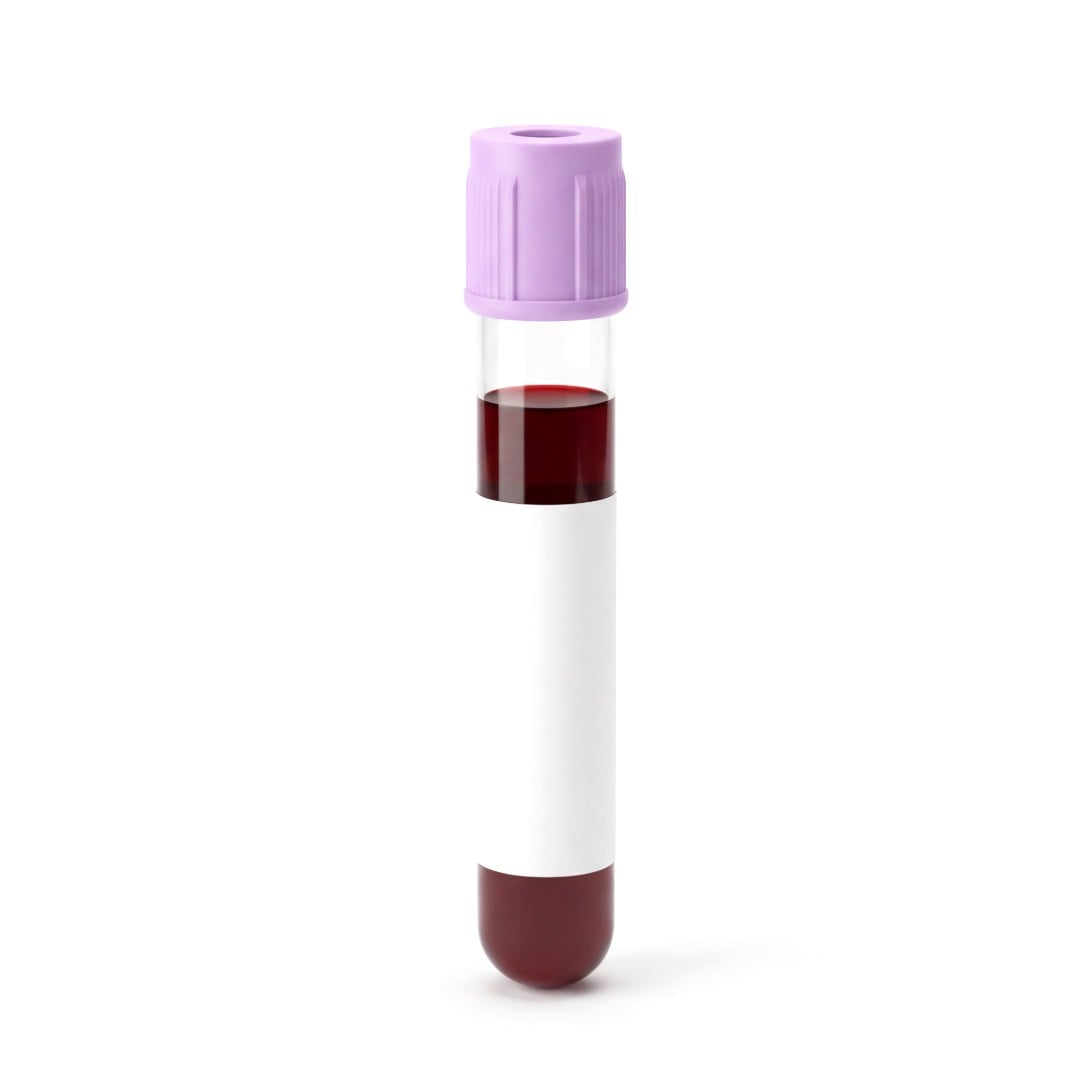
The core set: cholesterol, ApoB, and hs-CRP, no particle test.
Loading price- In person
Lipoprotein Fractionation (Ion Mobility)
The particle number and size test on its own.
Loading price  At-home collection
Cholesterol & Lipids Test
Cholesterol, HDL, triglycerides, and LDL at home.
Loading price
Questions
Common questions.
Anything else, our care team answers by phone, text, or email.
Triglycerides and VLDL are run here as separate tests rather than as part of a standard lipid panel, and the lab asks for a fasting sample for them. A recent meal can raise triglycerides and make the results harder to read.
Fast 9 to 12 hours before your visit. Water is fine.
Cholesterol travels in the blood inside particles called lipoproteins. A cholesterol test measures how much cholesterol those particles carry. The particle test measures the particles themselves: how many LDL particles you have, how they split between smaller and larger sizes, plus large HDL particles.
Smaller LDL particles have been linked with a higher risk of early heart disease.
Homocysteine is an amino acid in the blood. A high level is a risk factor for heart disease, and it can also rise when B12 or folate is low.
hs-CRP is a protein the liver makes in response to inflammation, injury, or infection. Measured with a high-sensitivity method, it helps assess heart risk. A cold or other recent illness can raise it, so a high result is often repeated.
No. It reports total cholesterol, HDL, triglycerides, and VLDL, plus LDL particle number and size. LDL particle number counts particles. It is not the same as an LDL cholesterol value, which this panel does not report. If you need LDL cholesterol specifically, ask a healthcare provider which test fits.
These markers describe risk factors, not whether you have heart disease. They do not show blockages in your arteries or how well your heart is working. A healthcare provider reads them together with your blood pressure, family history, smoking, and other factors to judge your overall risk.
This panel is not for chest pain or other urgent symptoms. If you have them, call 911.
Lab tests are informational and don’t diagnose conditions on their own. Available to adults 18 and older; test availability varies by lab location. A licensed clinician reviews your order and, if appropriate, orders the test. All testing is performed at CLIA-certified laboratories. Not for emergencies: if you think you may be having a medical emergency, call 911.