
Sheep Milk Allergy (IgE)
Checks IgE sensitization to sheep milk from a single blood draw.
- 2,000+ lab locations. Find one near you
- Nothing due at the lab. FSA / HSA accepted
- Ordered by a licensed clinician
At a glance
- Collection
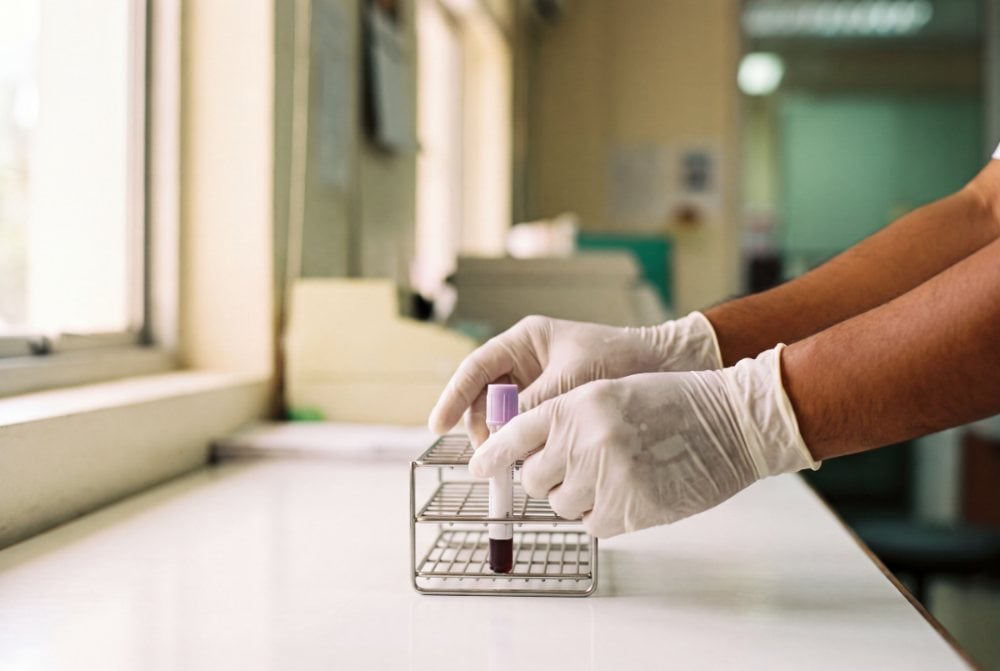
- Blood drawA standard blood draw at the lab.
- Preparation
- NoneNothing to do ahead of time. Water is fine.
- Results
- 3 to 5 daysTypical turnaround after your visit.
- Where
- 2,000+ lab locationsNationwide, with nothing due at the lab.
About this test
This test checks your blood for IgE antibodies to sheep milk. Sheep milk proteins are similar to cow’s milk proteins, and the two can cross-react. A positive result shows sensitization, which is not the same as an allergy. There is nothing to do ahead of your visit.
For adults 18 and older. Test availability varies by lab location.

Who should take this test?
Adults often choose it after a reaction to sheep milk products, or to bring a result to an allergist, when they want to check for sensitization to sheep milk.
Ask about this test
Not sure this is the right test?
AI-generated. For information only, not medical advice. Call 911 for an emergency.
What does this test measure?
The result shows whether you are sensitized to sheep milk. With your history, it can help an allergist or other healthcare provider decide whether further evaluation makes sense.
- Sheep milk-specific IgE
- IgE is the antibody involved in allergic reactions. This marker is the amount of IgE in your blood that recognizes sheep milk, reported in kU/L. A level above the lab’s reference range means sensitization, not necessarily allergy.
- Why it’s measured: To see whether you are sensitized to sheep milk, read with your history by an allergist.
How it works

- Step 1
Order online
Check out here. A licensed clinician in your state reviews your order and sends it to the lab.
- Step 2
Visit a lab
Bring a photo ID to any of 2,000+ lab locations. No fasting needed, and nothing is due at the lab.
- Step 3
Get your results
Results post to your account, usually in 3 to 5 days, each number next to the lab’s reference range.
Find a lab near you
Choose from 2,000+ lab locations nationwide. Your order works at any of them.
What your results tell you
The lab reports an IgE level in kU/L and compares it with its reference range. A level above that range means you are sensitized.
- Your number next to the lab’s reference range
- Explained in plain language
- A licensed clinician reviews your order and, if appropriate, orders the test.
- A lab report you can download and share
An allergist or other healthcare provider reads this result with your history before any decision about eating sheep milk.
Clinical-grade testing, from the comfort of home.
From the lab to your report, every step of our process meets the gold standard in medical testing.
CLIA-certified labs
Every lab we partner with is certified under the Clinical Laboratory Improvement Amendments, meeting both state and federal standards with regular independent inspections.
We protect your health data
We protect your health data with encryption and do not sell it. Some results must be reported to public health authorities by law. See our Privacy Notice.
Rigorous quality assurance
All partner labs run regular internal quality checks, participate in proficiency testing, and comply with federal and state lab regulations.
Clinician-reviewed reports
Results are reviewed by an independent, licensed clinician.
Related tests
- In person
Cow's Milk Allergy (IgE) with Component Reflex
Cow’s milk IgE, with milk proteins tested if positive.
Questions
Common questions.
Anything else, our care team answers by phone, text, or email.
It can. Milk proteins from goats, sheep, and cows are similar, so sensitization to one can come with sensitization to the others. This test measures IgE to sheep milk specifically.
An allergist reads it with your cow’s milk result and your history. Decisions about which milk to use belong with your allergist, not with this result alone.
No. Sensitization means your body has made IgE to sheep milk. An allergy means that exposure causes symptoms. Many people are sensitized without having symptoms, so a positive result alone does not mean you are allergic.
A negative result does not clear an allergy either. An allergist or other healthcare provider reads your result with what happens when you are exposed.
Get emergency care. If you have trouble breathing, swelling of the face or throat, or you feel faint or pass out after eating any food, call 911 right away. If you have a prescribed epinephrine auto-injector, use it as directed. This blood test is not for urgent reactions.
After a serious reaction, an allergist can talk with you about what happened and which tests make sense.
Lab tests are informational and don’t diagnose conditions on their own. Available to adults 18 and older; test availability varies by lab location. A licensed clinician reviews your order and, if appropriate, orders the test. All testing is performed at CLIA-certified laboratories. Not for emergencies: if you think you may be having a medical emergency, call 911.