
Immunity Titer Panel
Antibodies to measles, mumps, rubella, chickenpox, and hepatitis B.
- 2,000+ lab locations. Find one near you
- Nothing due at the lab. FSA / HSA accepted
- Ordered by a licensed clinician
At a glance
- Collection
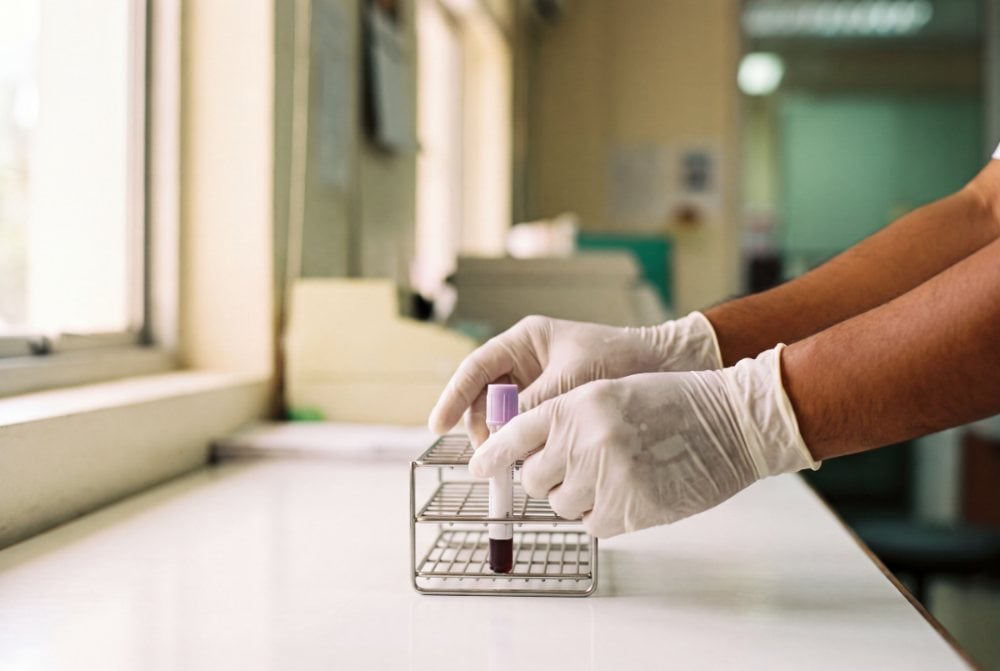
- Blood drawA standard blood draw at the lab.
- Preparation
- NoneNothing to do ahead of time. Water is fine.
- Results
- 2 to 4 daysTypical turnaround after your visit.
- Where
- 2,000+ lab locationsNationwide, with nothing due at the lab.
About this test
Schools and employers often ask for titers or vaccine records. This panel checks antibodies to measles, mumps, rubella, chickenpox, and hepatitis B in one draw. Programs set their own rules, so check yours before you choose. The hepatitis B result is reactive or nonreactive, without a level.
For adults 18 and older. Test availability varies by lab location.

Who should take this test?
For adults who have been asked about immunity for school or work, or who have lost their vaccine records, and want to check before talking with a healthcare provider.
Ask about this test
Not sure this is the right test?
AI-generated. For information only, not medical advice. Call 911 for an emergency.
What does this test measure?
Your results show whether antibodies to each of these five viruses were found in your blood, a sign of past vaccination or infection, to share with your program or provider.
- Measles (rubeola) IgG
- Measles IgG is an antibody made after measles vaccination or infection. A positive result is consistent with immunity or past exposure. A negative or equivocal result is something to discuss with a healthcare provider, who can advise on vaccination.
- Why it’s measured: Shows antibodies that are consistent with immunity to measles from vaccine or infection.
- Mumps IgG
- Mumps IgG is an antibody made after mumps vaccination or infection. A positive result is consistent with immunity or past exposure. A negative or equivocal result is something to discuss with a healthcare provider, who can advise on vaccination.
- Why it’s measured: Shows antibodies that are consistent with immunity to mumps from vaccine or infection.
- Rubella IgG
- Rubella IgG is an antibody made after rubella vaccination or infection. When there is no recent infection, finding it is read as a sign of immunity. Rubella immunity matters especially before pregnancy. A negative or equivocal result is worth discussing with a provider.
- Why it’s measured: Shows antibodies consistent with rubella immunity, which matters especially before pregnancy.
- Varicella-zoster virus (chickenpox) IgG
- Varicella IgG is an antibody to the virus that causes chickenpox and shingles. It reflects immunity from a past infection, but this test is not suited to measuring immunity after vaccination, so a negative result after vaccination may not mean you lack protection.
- Why it’s measured: Reflects immunity from past chickenpox; not suited to post-vaccine checks.
- Hepatitis B surface antibody (anti-HBs), qualitative
- Anti-HBs is the antibody your body makes after hepatitis B vaccination or after recovering from infection. This version reports whether the antibody is present (reactive or nonreactive) rather than how much there is. Some schools and employers require a quantitative result instead.
- Why it’s measured: Shows whether hepatitis B antibodies are present, not the amount.
Immunity & TB
How it works
- Step 1
Order online
Check out here. A licensed clinician in your state reviews your order and sends it to the lab.
- Step 2
Visit a lab
Bring a photo ID to any of 2,000+ lab locations. No fasting needed, and nothing is due at the lab.
- Step 3
Get your results
Results post to your account, usually in 2 to 4 days, each number next to the lab’s reference range.
Find a lab near you
Choose from 2,000+ lab locations nationwide. Your order works at any of them.
What your results tell you
Each titer is reported with the lab’s reading of immune status. The hepatitis B surface antibody is reported as reactive or nonreactive.
- Each marker next to the lab’s reference range
- Explained in plain language
- A licensed clinician reviews your order and, if appropriate, orders the test.
- A lab report you can download and share
Your program decides whether a result meets its rules. A healthcare provider can advise whether you need a vaccine dose or more testing.
Clinical-grade testing, from the comfort of home.
From the lab to your report, every step of our process meets the gold standard in medical testing.
CLIA-certified labs
Every lab we partner with is certified under the Clinical Laboratory Improvement Amendments, meeting both state and federal standards with regular independent inspections.
We protect your health data
We protect your health data with encryption and do not sell it. Some results must be reported to public health authorities by law. See our Privacy Notice.
Rigorous quality assurance
All partner labs run regular internal quality checks, participate in proficiency testing, and comply with federal and state lab regulations.
Clinician-reviewed reports
Results are reviewed by an independent, licensed clinician.
Related tests
- In person
Hepatitis B Immunity (Surface Antibody)
The hepatitis B antibody check on its own.
Loading price
Questions
Common questions.
Anything else, our care team answers by phone, text, or email.
That depends on the program. Many ask for measles, mumps, rubella, chickenpox, and hepatitis B titers, but some require a hepatitis B antibody level, which this panel does not report, and some accept vaccine records instead.
Check your program’s written requirements before you choose this panel.
This panel uses a qualitative hepatitis B surface antibody test. It shows whether antibodies from a past vaccine or infection were found, but not how much.
Documenting immunity at the CDC threshold takes a quantitative test, which reports a level. If your program asks for a level, this result may not be enough.
Not reliably. This chickenpox (varicella) antibody test measures immunity after a past infection, but it is not suited to measuring immunity from the vaccine.
If you were vaccinated, the result may not reflect your protection. Your program and a healthcare provider can tell you what documentation they accept.
A titer that shows antibodies is consistent with immunity from past vaccination or infection. A titer that does not show antibodies, or falls near the cutoff, can mean protection has faded, you were not vaccinated, or the level is too low for the test to pick up.
It does not mean you have the infection. A provider can advise whether a vaccine dose or a repeat test makes sense.
Lab tests are informational and don’t diagnose conditions on their own. Available to adults 18 and older; test availability varies by lab location. A licensed clinician reviews your order and, if appropriate, orders the test. All testing is performed at CLIA-certified laboratories. Not for emergencies: if you think you may be having a medical emergency, call 911.