
hs-CRP
Low-level inflammation tied to heart risk, from one blood draw.
- 2,000+ lab locations. Find one near you
- Nothing due at the lab. FSA / HSA accepted
- Ordered by a licensed clinician
At a glance
- Collection
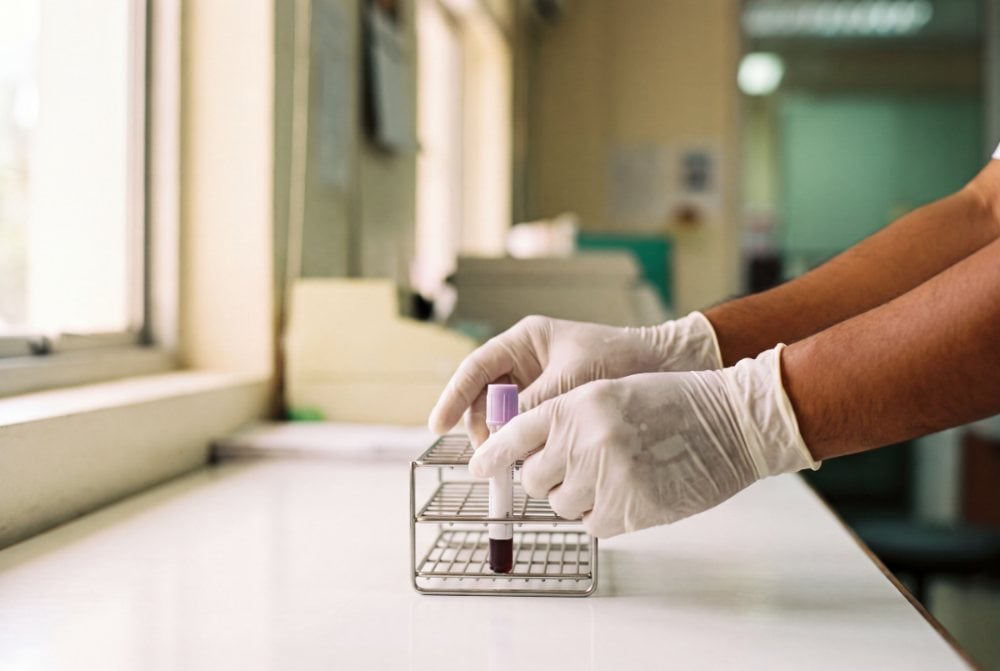
- Blood drawA standard blood draw at the lab.
- Preparation
- NoneNothing to do ahead of time. Water is fine.
- Results
- 1 to 2 daysTypical turnaround after your visit.
- Where
- 2,000+ lab locationsNationwide, with nothing due at the lab.
About this test
hs-CRP measures C-reactive protein, an inflammation marker made by the liver, precisely in the low range. At those levels it is used as one input to heart risk, alongside cholesterol and blood pressure. A recent cold, injury, or flare can raise it for a while. No fasting is needed.
For adults 18 and older. Test availability varies by lab location.

Who should take this test?
This test is for adults who want more detail in a heart risk check-in, often alongside cholesterol testing, after a past result, or with a family history of heart disease.
Ask about this test
Not sure this is the right test?
AI-generated. For information only, not medical advice. Call 911 for an emergency.
What does this test measure?
Your result shows your level of low-grade inflammation, which can help you and a healthcare provider add detail to a heart risk conversation with your cholesterol results.
- High-sensitivity C-reactive protein (hs-CRP)
- C-reactive protein is made by the liver in response to inflammation, infection, or injury. The high-sensitivity test measures the low levels used in heart-risk conversations. A recent cold, injury, or flare of another condition can raise it, so it is usually read when you are well.
- Why it’s measured: Measures low-level inflammation used in heart-risk conversations.
How it works

- Step 1
Order online
Check out here. A licensed clinician in your state reviews your order and sends it to the lab.
- Step 2
Visit a lab
Bring a photo ID to any of 2,000+ lab locations. No fasting needed, and nothing is due at the lab.
- Step 3
Get your results
Results post to your account, usually in 1 to 2 days, each number next to the lab’s reference range.
Find a lab near you
Choose from 2,000+ lab locations nationwide. Your order works at any of them.
What your results tell you
hs-CRP is reported in milligrams per liter (mg/L). The lab groups results into ranges from lower to higher heart risk.
- Your number next to the lab’s reference range
- Explained in plain language
- A licensed clinician reviews your order and, if appropriate, orders the test.
- A lab report you can download and share
A high result can follow a recent infection or injury and is often repeated, so review it with a healthcare provider before any decision.
CRP or hs-CRP?
The same protein, measured for different questions.
hs-CRP
Measures CRP precisely in the low range.
- Measures
- Small differences in the low range
- Used for
- Adding detail to a heart risk conversation
- Preparation
- None
Clinical-grade testing, from the comfort of home.
From the lab to your report, every step of our process meets the gold standard in medical testing.
CLIA-certified labs
Every lab we partner with is certified under the Clinical Laboratory Improvement Amendments, meeting both state and federal standards with regular independent inspections.
We protect your health data
We protect your health data with encryption and do not sell it. Some results must be reported to public health authorities by law. See our Privacy Notice.
Rigorous quality assurance
All partner labs run regular internal quality checks, participate in proficiency testing, and comply with federal and state lab regulations.
Clinician-reviewed reports
Results are reviewed by an independent, licensed clinician.
Related tests
- In person
Apolipoprotein B (ApoB)
Reflects how many cholesterol-carrying particles you have.
Loading price  At-home collection
Vitamin D & Inflammation Test
hs-CRP and vitamin D from a finger prick at home.
Loading price
Questions
Common questions.
Anything else, our care team answers by phone, text, or email.
Inflammation plays a part in how plaque builds up in arteries. hs-CRP shows a steady relationship with heart risk across a wide range of values, and heart guidelines describe it as a possible risk enhancer: one more factor a healthcare provider can weigh with cholesterol, blood pressure, and history.
They measure the same protein. Standard CRP is used for the larger rises seen with infection or active inflammation. hs-CRP measures precisely at low levels, which is the range used for heart risk. Standard CRP cannot measure those small differences, so the two are not interchangeable.
Anything that causes inflammation can raise hs-CRP for a while, including a cold or other infection, an injury, or a flare of a joint condition. A much higher result may reflect a recent infection and is often repeated.
If you are unwell around your visit, a healthcare provider may suggest testing after you recover.
hs-CRP does not show where inflammation is coming from, and it does not diagnose heart disease. It is one input to heart risk, read with cholesterol, blood pressure, blood sugar, smoking, and family history. A healthcare provider can explain what your number means for you.
Lab tests are informational and don’t diagnose conditions on their own. Available to adults 18 and older; test availability varies by lab location. A licensed clinician reviews your order and, if appropriate, orders the test. All testing is performed at CLIA-certified laboratories. Not for emergencies: if you think you may be having a medical emergency, call 911.