
Electrolyte Panel
Sodium, potassium, chloride, and CO2 from one blood draw.
- 2,000+ lab locations. Find one near you
- Nothing due at the lab. FSA / HSA accepted
- Ordered by a licensed clinician
At a glance
- Collection
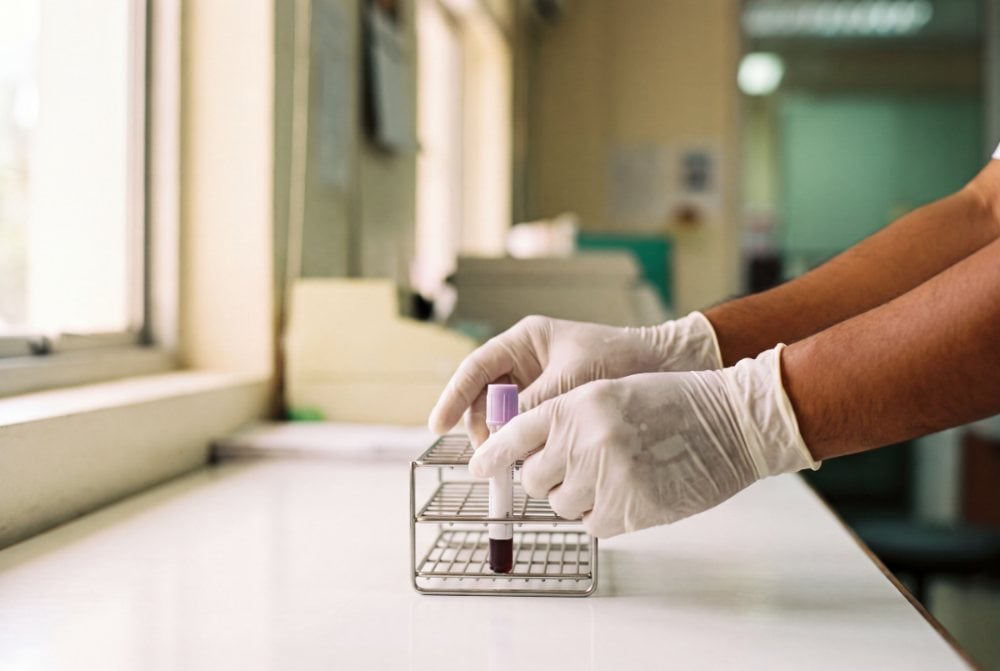
- Blood drawA standard blood draw at the lab.
- Preparation
- NoneNothing to do ahead of time. Water is fine.
- Results
- 1 to 2 daysTypical turnaround after your visit.
- Where
- 2,000+ lab locationsNationwide, with nothing due at the lab.
About this test
The electrolyte panel measures sodium, potassium, chloride, and carbon dioxide (bicarbonate). These minerals keep body fluids balanced, help nerves and muscles work, and hold your blood’s acid-base balance steady. They are read together as a pattern. No fasting is needed for this panel.
For adults 18 and older. Test availability varies by lab location.

Who should take this test?
This panel is for adults whose healthcare provider wants to check electrolytes, often during medication check-ins, after an illness with fluid loss, or to follow a past result.
Ask about this test
Not sure this is the right test?
AI-generated. For information only, not medical advice. Call 911 for an emergency.
What does this test measure?
Your results show your four core electrolytes, which can help a healthcare provider read your fluid balance, nerve and muscle function, and acid-base balance as one pattern.
- Sodium
- Sodium is an electrolyte that helps control the balance of water in and around your cells and supports nerve and muscle function. Blood sodium reflects your fluid balance as much as the salt you eat, and it can shift with hydration, some medicines, and conditions that affect the kidneys or hormones.
- Why it’s measured: A core electrolyte for checking fluid and electrolyte balance.
- Potassium
- Potassium is an electrolyte that your nerves and muscles, including your heart, need to work properly. Your kidneys keep the level in a narrow range. It can be affected by kidney function, some medicines such as diuretics, and how the sample is handled, so it is read with other results.
- Why it’s measured: Muscles and the heart depend on potassium staying in a narrow range.
- Chloride
- Chloride is an electrolyte that works with sodium to keep fluids and electrical charges in balance in your body. It usually moves in step with sodium. It is rarely read on its own and is most useful alongside sodium, potassium, and carbon dioxide in an electrolyte or metabolic panel.
- Why it’s measured: Read with sodium and CO2 to check fluid and acid-base balance.
- Carbon dioxide (CO2, bicarbonate)
- This result mostly reflects bicarbonate, a form of carbon dioxide that helps keep your blood from becoming too acidic or too alkaline. Your lungs and kidneys work together to hold it steady. It is read with the other electrolytes to look at your body’s acid-base balance.
- Why it’s measured: A window on acid-base balance, read with the other electrolytes.
How it works

- Step 1
Order online
Check out here. A licensed clinician in your state reviews your order and sends it to the lab.
- Step 2
Visit a lab
Bring a photo ID to any of 2,000+ lab locations. No fasting needed, and nothing is due at the lab.
- Step 3
Get your results
Results post to your account, usually in 1 to 2 days, each number next to the lab’s reference range.
Find a lab near you
Choose from 2,000+ lab locations nationwide. Your order works at any of them.
What your results tell you
Each electrolyte is reported in millimoles per liter (mmol/L) and compared with the lab’s reference range for that marker.
- Each marker next to the lab’s reference range
- Explained in plain language
- A licensed clinician reviews your order and, if appropriate, orders the test.
- A lab report you can download and share
An out-of-range result, especially potassium or sodium, can need prompt follow-up with a healthcare provider, who reads the set together.
Clinical-grade testing, from the comfort of home.
From the lab to your report, every step of our process meets the gold standard in medical testing.
CLIA-certified labs
Every lab we partner with is certified under the Clinical Laboratory Improvement Amendments, meeting both state and federal standards with regular independent inspections.
We protect your health data
We protect your health data with encryption and do not sell it. Some results must be reported to public health authorities by law. See our Privacy Notice.
Rigorous quality assurance
All partner labs run regular internal quality checks, participate in proficiency testing, and comply with federal and state lab regulations.
Clinician-reviewed reports
Results are reviewed by an independent, licensed clinician.
Related tests
Questions
Common questions.
Anything else, our care team answers by phone, text, or email.
Sodium plays a central role in how water is spread through the body. Potassium is essential for muscle and nerve function. Chloride balances sodium’s charge and helps hold fluid in place. CO2, mostly bicarbonate, helps keep your blood’s acid-base balance steady.
Electrolytes shift in related ways, so a healthcare provider reads them together rather than one at a time. The pattern can point toward hydration, kidney, breathing, or medicine-related causes, and it is read with your history and any other tests.
No. This test is not for emergencies. If you have chest pain, a racing or irregular heartbeat, fainting, severe weakness, or sudden confusion, get emergency care right away rather than waiting for a lab visit or a result.
It does not include magnesium, calcium, kidney markers, or glucose, and it does not show why a value is high or low. Electrolyte levels can also shift with a recent illness, fluid loss, or a medicine. A healthcare provider reads the results with your history and any other tests.
Lab tests are informational and don’t diagnose conditions on their own. Available to adults 18 and older; test availability varies by lab location. A licensed clinician reviews your order and, if appropriate, orders the test. All testing is performed at CLIA-certified laboratories. Not for emergencies: if you think you may be having a medical emergency, call 911.