
CBC without Differential
Counts of red cells, white cells, and platelets, from one draw.
- 2,000+ lab locations. Find one near you
- Nothing due at the lab. FSA / HSA accepted
- Ordered by a licensed clinician
At a glance
- Collection
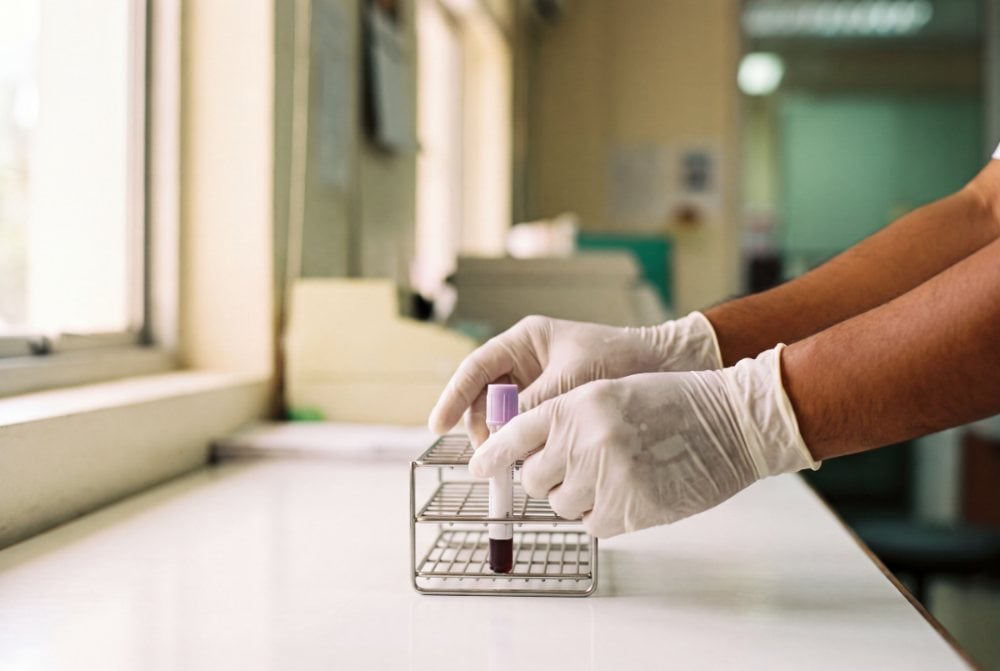
- Blood drawA standard blood draw at the lab.
- Preparation
- NoneNothing to do ahead of time. Water is fine.
- Results
- 1 to 2 daysTypical turnaround after your visit.
- Where
- 2,000+ lab locationsNationwide, with nothing due at the lab.
About this test
This complete blood count (CBC) measures red blood cells, hemoglobin, hematocrit, white blood cells, and platelets, plus details on red cell size. It skips the breakdown of white cell types. It is used to look for signs of anemia, infection, or inflammation, often as a recheck.
For adults 18 and older. Test availability varies by lab location.

Who should take this test?
This test suits adults rechecking a past blood count or adding a basic count to routine blood work, as well as those who feel tired or run down. Commonly related symptoms include:
Body
- Tiredness or weakness
- Breathless with activity
Skin
- Pale skin
Head
- Lightheadedness
Ask about this test
Not sure this is the right test?
AI-generated. For information only, not medical advice. Call 911 for an emergency.
What does this test measure?
Your results show where your red cell, white cell, and platelet counts sit against the lab’s reference ranges, which can help a healthcare provider see whether to look closer.
- White blood cell count (WBC)
- White blood cells are part of your immune system and help your body fight infection. This count shows how many are in a sample of your blood. It can rise with infection, inflammation, stress, or some medicines, and fall with some infections, medicines, or bone marrow conditions.
- Why it’s measured: A general look at the immune cells that help your body fight infection.
- Red blood cell count (RBC)
- Red blood cells carry oxygen from your lungs to the rest of your body. This count shows how many are in a sample of your blood. It is read with hemoglobin and hematocrit, and it can be affected by iron, B12, and folate levels, blood loss, hydration, and where you live.
- Why it’s measured: Counts the cells that carry oxygen, read together with hemoglobin and hematocrit.
- Hemoglobin
- Hemoglobin is the iron-containing protein inside red blood cells that carries oxygen. It is the main number used to check for anemia. Low iron, B12, or folate, blood loss, and some long-term conditions can lower it, while dehydration, smoking, and high altitude can raise it.
- Why it’s measured: The main number used to check for anemia, read with the rest of the blood count.
- Hematocrit
- Hematocrit is the share of your blood volume made up of red blood cells. It usually moves in step with hemoglobin. Hydration affects it: being dehydrated can raise it, and extra fluid can lower it. It is read with hemoglobin and the red blood cell count.
- Why it’s measured: Shows the share of your blood made up of red blood cells, read with hemoglobin.
- Mean corpuscular volume (MCV)
- MCV is the average size of your red blood cells. Smaller-than-usual cells are often seen with low iron, and larger-than-usual cells can relate to low B12 or folate, alcohol, thyroid or liver conditions, or some medicines. It helps a provider narrow down the type of anemia if one is present.
- Why it’s measured: Average red cell size, which helps sort out types of anemia.
- Mean corpuscular hemoglobin (MCH)
- MCH is the average amount of hemoglobin inside each red blood cell. It is calculated from your hemoglobin and red blood cell count and tends to follow MCV: smaller cells usually carry less hemoglobin. It is one of the red cell indices a provider reads together.
- Why it’s measured: Average hemoglobin per red cell, read with the other indices.
- Mean corpuscular hemoglobin concentration (MCHC)
- MCHC is the average concentration of hemoglobin inside your red blood cells, calculated from your hemoglobin and hematocrit. It shows how densely packed the cells are with hemoglobin. Like the other red cell indices, it adds detail when a provider reviews your blood count.
- Why it’s measured: Shows how concentrated hemoglobin is inside your red cells, one of the red cell indices.
- Red cell distribution width (RDW)
- RDW shows how much your red blood cells vary in size. A higher value means a wider mix of small and large cells, which can happen when new cells are being made during a change in iron, B12, or folate levels. It is read with MCV and the rest of the blood count.
- Why it’s measured: Shows how much your red cells vary in size, which can help sort out types of anemia.
- Platelet count
- Platelets are small cell fragments that help your blood clot and stop bleeding. This count shows how many are in your blood. It can rise with inflammation, low iron, or after an infection, and fall with some medicines, infections, or conditions that affect the bone marrow or spleen.
- Why it’s measured: Counts the cell fragments that help your blood clot and stop bleeding.
How it works

- Step 1
Order online
Check out here. A licensed clinician in your state reviews your order and sends it to the lab.
- Step 2
Visit a lab
Bring a photo ID to any of 2,000+ lab locations. No fasting needed, and nothing is due at the lab.
- Step 3
Get your results
Results post to your account, usually in 1 to 2 days, each number next to the lab’s reference range.
Find a lab near you
Choose from 2,000+ lab locations nationwide. Your order works at any of them.
What your results tell you
Each count is reported with its unit, such as grams per deciliter (g/dL) for hemoglobin, and shown next to the lab’s reference range.
- Each marker next to the lab’s reference range
- Explained in plain language
- A licensed clinician reviews your order and, if appropriate, orders the test.
- A lab report you can download and share
An out-of-range count can need prompt follow-up with a healthcare provider, who can explain it and whether a CBC with differential helps.
Which blood count fits?
Three versions, with more or less detail on white cells.
Without differential
The blood count without the white cell breakdown.
- What it counts
- Red cells, white cells, and platelets
- White cell types
- No
- Useful for
- A recheck when the breakdown isn’t needed
Clinical-grade testing, from the comfort of home.
From the lab to your report, every step of our process meets the gold standard in medical testing.
CLIA-certified labs
Every lab we partner with is certified under the Clinical Laboratory Improvement Amendments, meeting both state and federal standards with regular independent inspections.
We protect your health data
We protect your health data with encryption and do not sell it. Some results must be reported to public health authorities by law. See our Privacy Notice.
Rigorous quality assurance
All partner labs run regular internal quality checks, participate in proficiency testing, and comply with federal and state lab regulations.
Clinician-reviewed reports
Results are reviewed by an independent, licensed clinician.
Related tests
Questions
Common questions.
Anything else, our care team answers by phone, text, or email.
Hemoglobin is the protein in red cells that carries oxygen, and hematocrit is the share of your blood made up of red cells. The red cell indices (MCV, MCH, MCHC, and RDW) describe the size of your red cells, how much hemoglobin they hold, and how much their size varies.
Together they help a healthcare provider understand the type of a low count.
This test reports your total white cell count. If that number is high or low, knowing which types of white cells are affected can help a healthcare provider understand why. In that case, a CBC with differential or a white blood cell differential may be suggested.
A CBC shows your counts at one point in time. It does not show the cause of a high or low count, and it does not break white cells down by type. A healthcare provider reads it with your symptoms and history and may suggest other tests, such as ferritin or iron studies.
No. This test is not for emergencies. If you have chest pain, severe shortness of breath, fainting, heavy bleeding, or black or bloody stools, get emergency care right away rather than waiting for a lab visit or a result.
Lab tests are informational and don’t diagnose conditions on their own. Available to adults 18 and older; test availability varies by lab location. A licensed clinician reviews your order and, if appropriate, orders the test. All testing is performed at CLIA-certified laboratories. Not for emergencies: if you think you may be having a medical emergency, call 911.